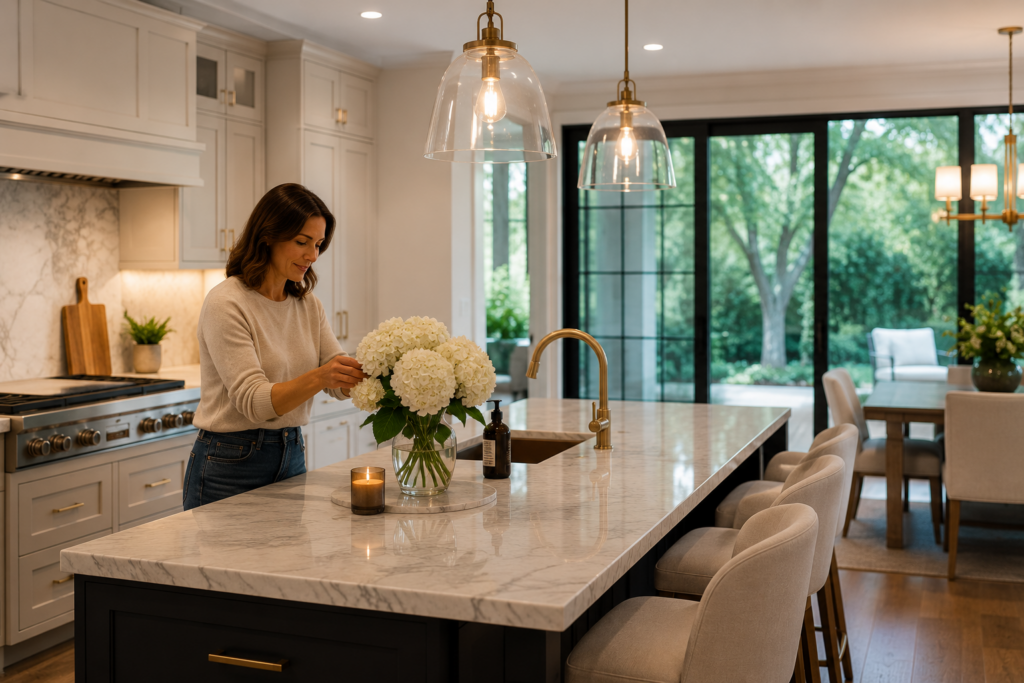





The 7 Most Requested Features in Dallas Homes Right Now, and How Sellers Are Capitalizing on Them

The 7 Most Requested Features in Dallas Homes Right Now, and How Sellers Are Capitalizing on Them

Every seller wants to know the same thing:

“What are buyers looking for right now?”

The answer may surprise you.

In 2026, buyers aren’t necessarily searching for the biggest house on the block. They’re looking for homes that feel comfortable, functional, and ready for modern life.
The good news for sellers is that many of these features don’t require a major renovation. Often, it’s simply a matter of identifying what buyers value and making sure those features are properly presented.

Here are seven of the most requested features in Dallas homes right now, and how savvy sellers are using them to stand out.

1. Covered Outdoor Living Spaces

Outdoor living remains one of the most desirable features in North Texas.

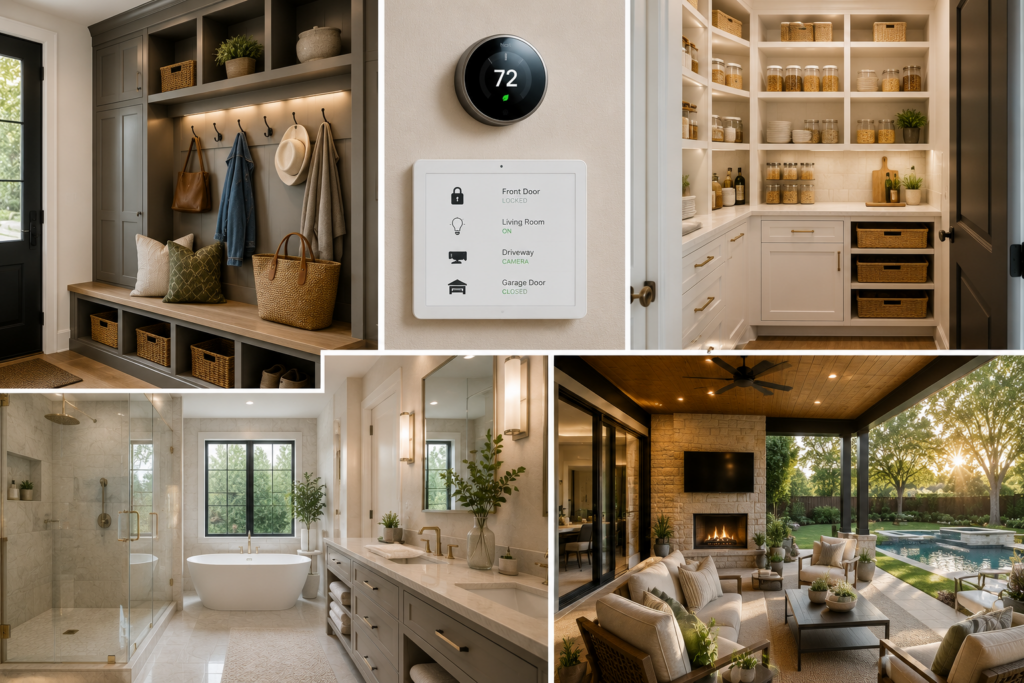
Covered patios, outdoor kitchens, fireplaces, and shaded seating areas continue to attract attention from buyers who want their home to feel larger than its interior square footage.

Seller Tip: Before listing, clean outdoor spaces thoroughly, pressure wash surfaces, and stage patios as functional living areas rather than empty concrete slabs.

2. Energy-Efficient Features

High-performance windows, upgraded insulation, smart thermostats, tankless water heaters, and modern HVAC systems continue to be major selling points.

With Texas summers growing hotter and utility costs remaining a concern, buyers are paying attention.

Seller Tip: If you’ve invested in energy-efficient upgrades, document them. Buyers can’t appreciate improvements they don’t know exist.

3. Flexible Spaces

Today’s buyers love options.

A spare bedroom that can function as a home office, gym, guest room, or hobby space often feels more valuable than a room with a single purpose.

Seller Tip: Stage flex spaces intentionally. Help buyers understand how the room can improve their lifestyle.

4. Smart Home Technology

Smart locks, security systems, lighting controls, thermostats, and integrated home technology have become increasingly common expectations.

These upgrades may seem small, but they create an impression that the home is current and well maintained.

Seller Tip: Make sure all smart devices are functioning properly and provide buyers with a simple list of installed technology.

5. Kitchens That Work

The kitchen remains one of the most important rooms in any home.

Buyers continue to gravitate toward large islands, ample storage, walk-in pantries, quality appliances, and layouts that support everyday living.

Seller Tip: A deep cleaning, fresh hardware, updated lighting, and decluttering can often deliver more value than an expensive remodel.

6. Spa-Inspired Primary Bathrooms

Buyers are increasingly drawn to primary suites that feel calm and relaxing.

Large showers, double vanities, good lighting, and clean finishes continue to influence purchasing decisions.

Seller Tip: Focus on presentation. Fresh towels, spotless glass, bright lighting, and minimal clutter can dramatically improve first impressions.

7. Organization and Storage

It may not be glamorous, but storage sells.

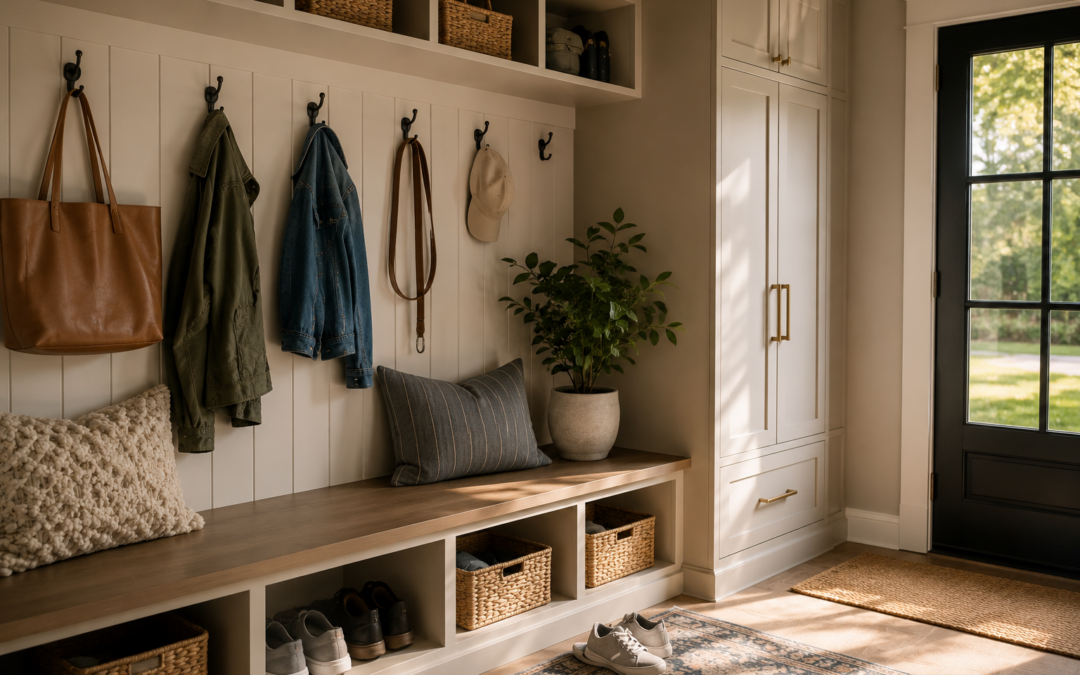
Mudrooms, drop zones, built-ins, organized closets, and practical storage solutions consistently rank among the features buyers appreciate most.

Seller Tip: Before listing, remove at least twenty-five percent of the contents from closets and storage areas. Spacious storage feels more valuable than packed storage.

What Sellers Should Take Away

The biggest trend I’m seeing in Dallas isn’t bigger homes.

It’s better-functioning homes.

The sellers achieving the strongest results are not necessarily the ones spending the most money before listing. They’re the ones who understand what buyers value and make those features impossible to miss.

Sometimes the difference between a good listing and a great listing isn’t a renovation.

It’s knowing what buyers are already looking for and presenting your home accordingly.

The Deal That Should Have Died

The Deal That Should Have Died

If you’ve been involved in enough real estate transactions, you eventually discover something interesting.

The deals that seem easiest at the beginning often become complicated.

And the deals that look completely doomed somehow find a way to cross the finish line.

I’ve seen inspection reports that looked like horror novels.

I’ve seen financing issues appear days before closing.

I’ve seen appraisals come in short.

I’ve seen buyers panic.

I’ve seen sellers dig in their heels.

I’ve seen family members, lenders, inspectors, contractors, title companies, and REALTORS® all take turns becoming frustrated.

In other words, I’ve seen real estate.

One of the biggest misconceptions people have about buying or selling a home is that a successful transaction is one without problems.

That’s almost never true.

The reality is that nearly every transaction encounters obstacles. The difference between a deal that closes and a deal that falls apart is usually not the size of the problem.

It’s how the people involved respond to it.

Early in my career, every problem felt like an emergency.

Every unexpected phone call raised my blood pressure.

Every delay felt catastrophic.

Every difficult conversation seemed larger than life.

Experience eventually taught me something different.

Most problems are simply problems.

They’re not disasters.

They’re not signs that the deal is dead.

They’re simply the next issue that needs to be addressed.

The buyer doesn’t benefit from panic.

The seller doesn’t benefit from panic.

The lender doesn’t benefit from panic.

The inspector doesn’t benefit from panic.

And I certainly don’t benefit from panic.

So when something goes sideways, and something almost always does, I’ve learned to ask a simple question:

What’s the next step?

Not next month.

Not next week.

Not five steps from now.

Just the next step.

Call the lender.

Review the inspection report.

Gather additional information.

Request documentation.

Have the difficult conversation.

Then take the next step after that.

And then the next.

One thing I’ve also learned is that stress reveals people.

The buyer who has been calm for weeks suddenly becomes anxious because they’re making one of the largest financial decisions of their life.

The seller who seemed flexible becomes emotional because they’re parting with a home full of memories.

The father helping with the down payment develops strong opinions.

The appraiser gets blamed.

The inspector gets blamed.

The REALTOR® definitely gets blamed.

Everybody gets a turn.

That’s normal.

It’s also temporary.

The key is remembering that nobody is at their best when they’re scared.

And buying or selling a home can be scary.

That’s why professionalism matters.

Not when everything is going smoothly.

When it isn’t.

The best transactions aren’t the ones that avoid problems.

They’re the ones where the people involved keep moving forward despite them.

Every time I look back at a transaction that seemed impossible, I usually discover the same thing.

The deal survived because people stayed focused on solutions instead of emotions.

Real estate isn’t about avoiding problems.

It’s about navigating them.

And more often than not, that’s what gets everyone to the closing table.

The Most Valuable Luxury in Dallas Isn’t What You Think

The Most Valuable Luxury in Dallas Isn’t What You Think

Ask someone to describe a luxury home in Dallas and you’ll probably hear the same answers.

Marble countertops.

Resort-style pools.

Wine rooms.

Three-car garages.

Walk-in closets the size of apartments.

Those things are certainly nice.

But they’re not the most valuable luxury in Dallas.

Not even close.

The Luxury We Chase

For decades, homeownership has often been framed as a simple equation: bigger is better.

More square footage.

More bedrooms.

More amenities.

More everything.

And for some people, that’s exactly the right choice.

But after years of helping buyers navigate the Dallas market, I’ve noticed something interesting.

The homes people talk about most fondly months after moving in are rarely the ones with the biggest closets or the tallest ceilings.

They’re the homes that make everyday life easier.

The Commute Nobody Calculates

A buyer may spend weeks comparing floor plans, granite selections, and school ratings.

What often gets overlooked is how much time a home gives back, or takes away.

A twenty-minute commute doesn’t sound very different from a forty-minute commute.

Until you realize that’s more than three hours every week.

More than thirteen hours every month.

More than six hundred hours every year.

That’s nearly four full weeks of your life spent sitting in traffic.

Suddenly, the house that looked like a bargain starts costing something much more valuable than money.

Convenience Is the New Luxury

The most valuable luxury in Dallas today isn’t necessarily found inside the home.

It’s found just outside the front door.

It’s being able to stop by your favorite coffee shop without planning an expedition.

It’s having dinner reservations five minutes away.

It’s being close enough to walk the dog without loading everyone into the car first.

It’s knowing your neighbors.

It’s recognizing familiar faces at the grocery store.

It’s feeling connected to the place you live instead of simply sleeping there.

Luxury has become less about showing people what you own and more about creating a life you enjoy living.

The Wealth of Time

Some of the happiest homeowners I know don’t own the largest homes.

They own homes that support the lives they want to live.

They spend less time commuting.

Less time driving.

Less time planning every errand.

More time with family.

More time with friends.

More time doing the things that actually matter.

That’s a luxury no countertop can provide.

What Buyers Are Really Looking For

Most buyers begin their search focused on the house.

Eventually, they realize they’re really searching for a lifestyle.

The house matters.

Of course it does.

But the house is only part of the equation.

The neighborhood.

The convenience.

The walkability.

The proximity to work, restaurants, parks, and everyday necessities.

Those things shape your life long after the excitement of moving day fades.

And that’s why the most valuable luxury in Dallas isn’t what most people think.

It’s not marble.

It’s not square footage.

It’s not a resort-style pool.

It’s time.

And besides good health, time may be the most luxurious thing of all.

Everybody Wants an Honest REALTOR® Until They Hear an Honest Answer

Everybody Wants an Honest REALTOR® Until They Hear an Honest Answer

Everyone says they want honesty.

They want honesty from their doctor.

They want honesty from their attorney.

They want honesty from their accountant.

And they definitely want honesty from their REALTOR®.

At least they think they do.

What most people actually want is validation.

They want someone to tell them their house is worth more than it is.

They want someone to tell them the inspection report isn’t a big deal.

They want someone to tell them they can buy more house than their budget allows.

They want someone to tell them the offer they submitted is brilliant and destined for success.

And sometimes, that’s exactly what they hear.

The problem is that validation feels good for about five minutes.

Reality tends to stick around a little longer.

The interesting thing is that after all these years in real estate, I’ve noticed that the most valuable conversations are often the least comfortable ones.

“Your home is probably overpriced.”

“This isn’t the strongest offer.”

“The buyers aren’t being unreasonable.”

“We need to make some repairs.”

“That neighborhood may not be the right fit.”

None of those statements are particularly fun.

None of them are likely to earn a standing ovation.

But they might save someone thousands of dollars, months of frustration, or a transaction that falls apart at the finish line.

The truth is that real estate is emotional.

People aren’t just buying and selling houses.

They’re buying hopes, plans, memories, expectations, and sometimes a healthy amount of ego.

That’s perfectly normal.

We’re human.

But emotion can make it difficult to hear things we don’t want to hear.

Especially when we’ve already convinced ourselves we’re right.

I’ve had clients hire me because I told them the truth.

I’ve also had people decide not to work with me because I told them the truth.

That’s okay.

My job isn’t to win every conversation.

My job is to help people make good decisions.

Sometimes that means delivering good news.

Sometimes it means delivering news that isn’t quite as exciting.

The funny part is that months later, after the dust settles and the transaction is complete, the thing people most often thank me for isn’t my marketing, my negotiation skills, or even my availability.

It’s honesty.

Not because it felt good in the moment.

Because it turned out to be right.

The best REALTOR® in the room is often the one least afraid of losing your business.

Because the person who is terrified of hearing “no” will often tell you whatever you want to hear.

The person who is comfortable telling you the truth is usually focused on something much more important:

Getting you to the finish line with your eyes wide open.

And that’s a very different thing.

Because everybody wants an honest REALTOR®.

Right up until they hear an honest answer.

The Difference Between a House You Walk Through and a House You Remember

The Difference Between a House You Walk Through and a House You Remember

Most buyers think they’re shopping for square footage.

They’re not.

They think they’re comparing kitchens, bathrooms, floor plans, and countertops.

They’re not doing that either.

What they’re really doing is walking through a home and asking themselves one simple question:

“Can I see my life here?”

And one of the biggest factors influencing that decision often goes completely unnoticed.

Lighting.

Not the light fixtures.

Not the chandeliers.

Not the brand of recessed cans.

The light itself.

Think about the homes you’ve toured that felt warm, comfortable, and inviting.

Now think about the homes that felt cold, dark, or forgettable.

The difference is often lighting.

A well-lit home feels larger. Cleaner. More welcoming. More expensive.

A poorly lit home can make a beautiful property feel smaller than it is and less inviting than it should be.

The interesting part is that buyers rarely walk through a house and say, “The lighting is fantastic.”

Instead, they say things like:

“I love this room.”

“This house feels different.”

“It just feels right.”

They’re reacting to the atmosphere the lighting creates.

Natural light is usually the first thing people notice.

Large windows, thoughtfully placed glass, and rooms that capture daylight tend to photograph better, show better, and leave a stronger impression on buyers.

But natural light is only part of the story.

The homes that feel truly special often use layers of lighting throughout the space.

Accent lighting can highlight artwork, architectural details, built-ins, or decorative niches.

Task lighting improves function in kitchens, offices, and reading areas.

Ambient lighting creates warmth and comfort throughout the room.

Together, these layers create depth.

The room feels intentional.

Finished.

Comfortable.

Luxury builders have understood this for years.

Luxury Dallas living room featuring layered interior lighting, illuminated built-in shelving, recessed ceiling lights, and architectural accent lighting.

Walk through a custom home and you’ll often find subtle lighting tucked into bookshelves, art niches, cabinetry, stairways, and outdoor living spaces.

The lighting isn’t screaming for attention.

It’s quietly shaping the experience.

Even exterior lighting plays an important role.

A thoughtfully illuminated entry creates a welcoming first impression long before a buyer steps through the front door.

Mid-century modern Dallas home with architectural landscape lighting and illuminated exterior trees at dusk.

Landscape lighting can make a home feel established, elegant, and secure.

The best lighting does something that every homeowner wants their property to do.

It creates emotion.

Because at the end of the day, buyers don’t remember every floor plan they toured.

They don’t remember every countertop they saw.

They remember how a home made them feel.

That’s why some houses become forgettable before the next showing.

And why others stay with buyers long after they’ve left the driveway.

Sometimes the difference isn’t the size of the room.

It’s simply how the light falls across it.

How Buyers Can Reduce Out-of-Pocket Costs at Closing

How Buyers Can Reduce Out-of-Pocket Costs at Closing

Many first-time buyers spend months saving for a down payment.

Then they discover something surprising.

The down payment isn’t the only money they’ll need to bring to closing.

In addition to the down payment, buyers are often responsible for closing costs. These can include lender fees, title fees, prepaid property taxes, homeowners insurance, and other expenses associated with completing the purchase.

Depending on the price of the home, those costs can add up to thousands of dollars.

For some buyers, that’s not a problem.

For others, it’s the difference between feeling comfortable and feeling financially stretched.

The good news is that buyers may not have to pay all of those costs themselves.

One of the most common negotiation strategies in real estate is asking the seller to contribute toward a buyer’s closing costs.

Let’s look at a simple example.

Imagine you’re buying a home and your total closing costs are $8,000.

Instead of paying the entire $8,000 yourself, you might ask the seller to contribute $5,000 toward those expenses.

If the seller agrees, your out-of-pocket cost drops from $8,000 to $3,000.

That’s real money.

Money that can stay in your savings account.

Money that can help with moving expenses.

Money that can help furnish your new home.

Money that can simply make the transition into homeownership less stressful.

This is one of the reasons many buyers work with experienced REALTORS®.

Most first-time buyers know they can negotiate the purchase price.

Many don’t realize they can negotiate other terms as well.

Of course, not every seller will agree.

The likelihood often depends on the market, the property, and the seller’s situation.

A seller receiving multiple offers may have little reason to help with closing costs.

A seller whose home has been sitting on the market for several weeks may be more willing to negotiate.

Every situation is different.

That’s why there is no single strategy that works for every home.

The important thing is knowing the conversation is available.

Too many buyers assume the numbers they see on the first day are the numbers they’ll be stuck with all the way through closing.

That’s not always true.

Real estate is a negotiation.

And sometimes the most valuable negotiation isn’t about getting a lower price.

Sometimes it’s about reducing the amount of cash you need to bring to the closing table.

If you’re planning to buy a home, especially for the first time, make sure you understand all of the tools available to you.

Seller contributions toward closing costs may not work in every transaction.

But when they do, they can make the path to homeownership considerably easier.