




Turtle Creek Is Entering a New Chapter, and the Best May Still Be Ahead

Turtle Creek Is Entering a New Chapter, and the Best May Still Be Ahead

For decades, Turtle Creek has been one of Dallas’ most recognizable neighborhoods. Its winding creek, mature canopy of trees, historic bridges, luxury high-rises, and proximity to Uptown have made it one of the city’s most desirable places to live.

Now, another chapter is unfolding.

A wave of investment is reshaping the Turtle Creek and Uptown corridor, with approximately 2.7 million square feet of new development currently under construction, bringing new residences, offices, restaurants, and public improvements to one of Dallas’ most walkable neighborhoods.

A New Landmark Is Rising Along Turtle Creek

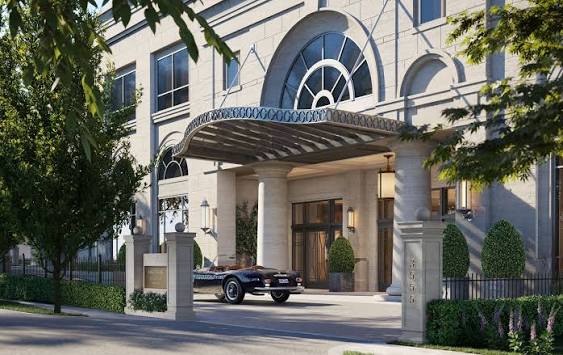
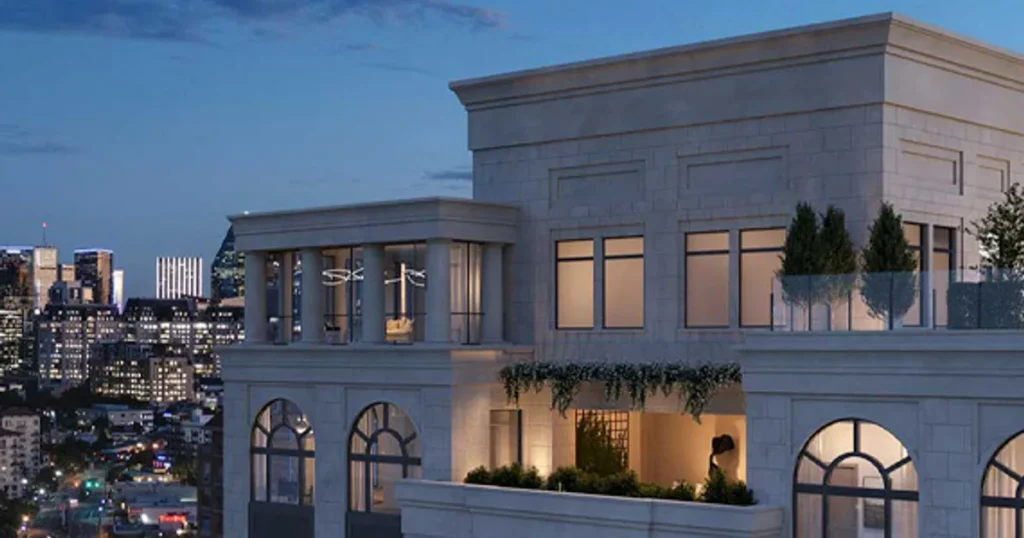
Perhaps the most anticipated project is Rosewood Residences Turtle Creek.

Located just a short walk from the iconic Mansion on Turtle Creek, the development represents a return to the neighborhood where the Rosewood brand began. Rather than building another hotel, Rosewood is creating an ultra-luxury residential tower designed specifically for homeowners seeking privacy, concierge-level service, and timeless architecture.

The project will feature:

  • A 17-story luxury residential tower
  • Approximately 33 private residences, with earlier plans calling for around 46 homes during the design phase
  • Homes ranging from roughly 2,000 to more than 6,000 square feet
  • Rooftop pool and lounge
  • Fitness center
  • Library and private dining room
  • Landscaped gardens
  • Dedicated pet amenities
  • Architecture by renowned Chicago architect Lucien Lagrange, inspired by classical Beaux-Arts design
  • Interior design by Dan Fink Studio

The confidence behind the project is reflected in its financing. Developers recently secured a $97.5 million senior construction loan, underscoring continued investor confidence in Turtle Creek’s luxury residential market.

Restoring One of Dallas’ Hidden Gems

While new towers often receive the headlines, another project may have an even greater impact on everyday life.

Several of Turtle Creek’s historic pedestrian bridges are undergoing restoration as part of ongoing efforts to preserve one of Dallas’ most picturesque urban landscapes. These small bridges have quietly connected walking paths, parks, and neighborhoods for generations, allowing residents to enjoy the creek from a perspective many drivers never experience.
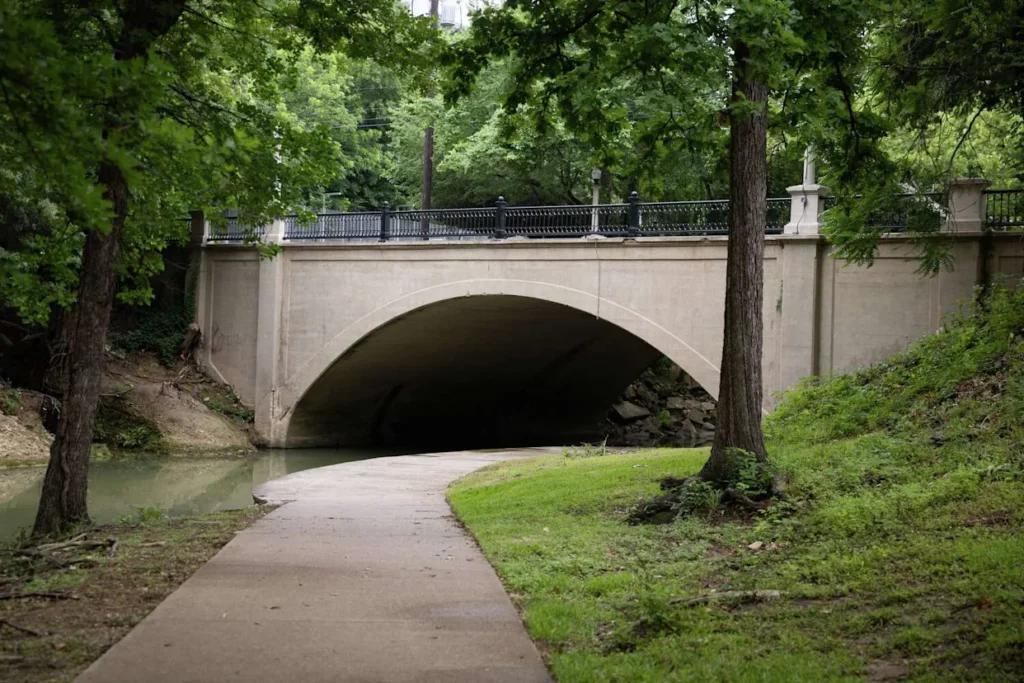
The restoration work focuses on preserving the historic character of the bridges while improving their long-term durability and safety, ensuring they remain part of Turtle Creek’s identity for decades to come.

Growth Without Losing Character

One of the reasons Turtle Creek has aged so gracefully is that it has never tried to become downtown.

Its appeal has always been different.

Morning walks beneath mature live oaks.

Views of the creek instead of traffic.

Historic architecture sitting comfortably beside contemporary design.

That balance appears to be guiding this newest wave of investment as well. Rather than replacing the neighborhood’s character, many of the projects are designed to complement it through high-quality architecture, generous landscaping, and thoughtful public spaces.

Why It Matters

Development isn’t simply about adding more buildings.

When done thoughtfully, it creates a neighborhood that’s easier to enjoy on foot, attracts new restaurants and retailers, supports local businesses, and encourages continued investment in parks and public spaces.

For homeowners, it often signals long-term confidence in the neighborhood.

For visitors, it creates an even better experience.

And for Dallas as a whole, it reinforces Turtle Creek’s reputation as one of the city’s signature addresses.

Whether you’re crossing one of the restored pedestrian bridges on a quiet morning or watching another crane reshape the skyline, one thing is becoming increasingly clear.

Turtle Creek isn’t standing still.

It’s evolving, while holding onto everything that made it special in the first place.

I Bought a Tuxedo for $30 and Accidentally Fell in Love with This Oak Lawn Thrift Store

I Bought a Tuxedo for $30 and Accidentally Fell in Love with This Oak Lawn Thrift Store

I wasn’t looking for a tuxedo.

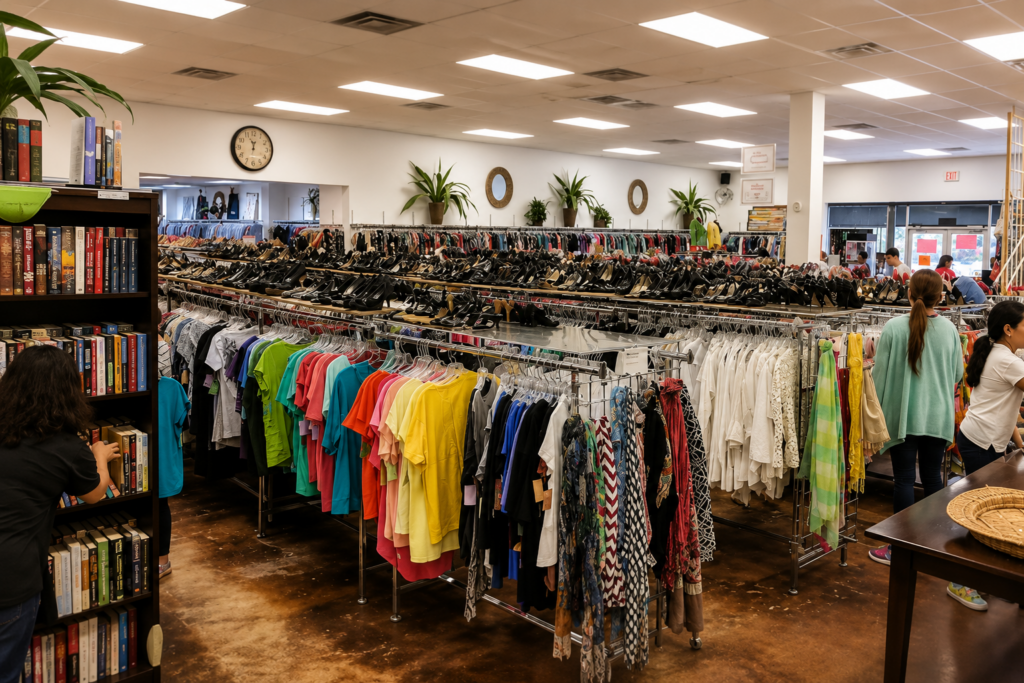
I was just doing what I often do when I have a few extra minutes, wandering through the Genesis Benefit Thrift Store on Knight Street to see what treasures might be hiding on the shelves.

Then I saw it.

A beautiful tuxedo. Classic. Timeless. In remarkably good condition.

I bought it for $30.

After a quick trip to my tailor and a stop at the dry cleaners, I suddenly had a tuxedo that looked as though it had cost hundreds of dollars. For the couple of occasions each year that call for black tie, it was one of the best purchases I’ve ever made.

But that’s the thing about Genesis.

You walk in hoping to find something fun and often leave with something much better than you expected.

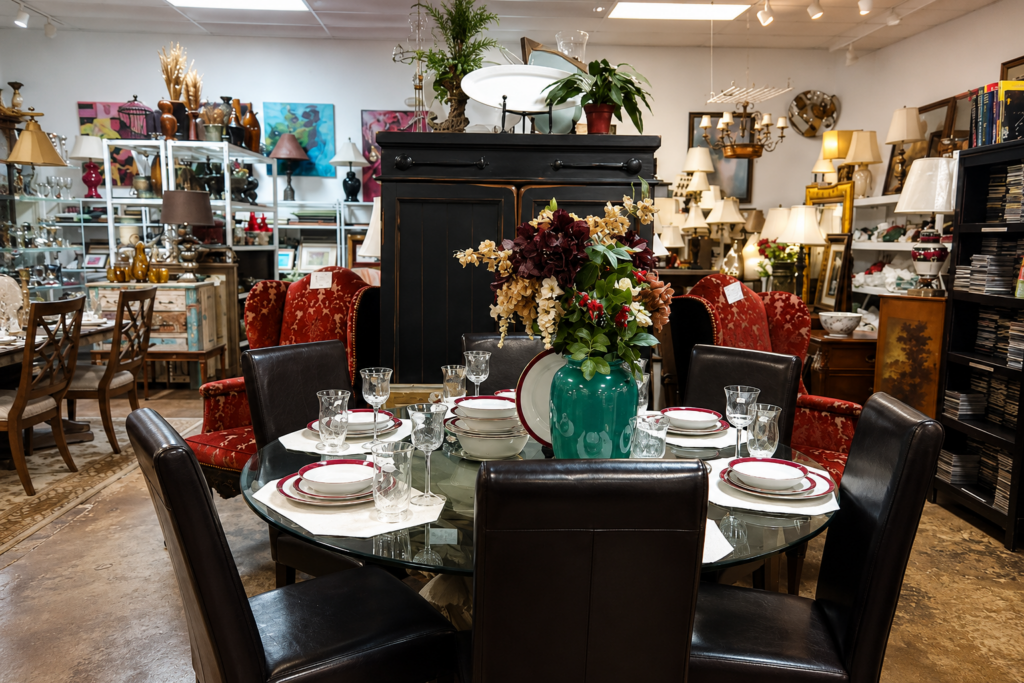
Over the years, I’ve discovered beautiful Williams-Sonoma dishes that still sit in my cabinets today. I’ve found quality dress shirts for less than the cost of lunch, pieces that, after a trip to the cleaners, and paired with a smart tie, look perfectly at home at any nice restaurant or board meeting in Dallas.

If you know your style and have an eye for quality, shopping here feels a little like a treasure hunt.

And then you learn the story behind the store.

That’s when you really fall in love with the place.

Genesis isn’t simply a thrift store.

It’s part of an organization that provides safety, shelter, and life-changing services for women and children escaping domestic violence.

On any given night, approximately 100 women and children sleep safely on Genesis’ residential campuses.

The women and children who benefit from Genesis’ services are also able to shop at the thrift store for free, choosing clothing, household items, and necessities that fit their unique needs and help them begin again.

Think about that for a moment.

That beautiful lamp.

That designer shirt.

That set of dishes.

That unexpected tuxedo.

Every purchase is helping support an organization that’s quietly doing extraordinary work in our community.

In fact, after learning more about Genesis, I’ve occasionally felt a little guilty walking away with such incredible bargains.

Almost.

Because then I remember that every dollar spent, every donation made, and every item purchased is helping someone rebuild their life.

That’s a pretty wonderful reason to shop.

So if you’ve never visited the Genesis Benefit Thrift Store, I encourage you to stop in.

You might find a vintage treasure.

You might discover the perfect shirt.

You might even stumble across your own tuxedo story.

And if you leave with something special, you’ll know your purchase did a little good, too.


Genesis Benefit Thrift Store

3419 Knight Street
Dallas, Texas 75219

Hours
Monday through Friday: 10:00 a.m. to 5:30 p.m.
Saturday: 10:00 a.m. to 5:00 p.m.
Sunday: 1:00 p.m. to 5:00 p.m.

Phone: 214-520-6644

If you’re cleaning out a closet, downsizing, or simply looking for a meaningful place to donate, Genesis gladly accepts donations as well.

Some of the best treasures in Oak Lawn aren’t just the things you find.

They’re the opportunities you create for someone else.

Where is your third place?

Where is your third place?

Home is your first place. Work is your second. But somewhere in Dallas is another place that quietly becomes part of your life.

Everyone has one.

You may not have a name for it, but you almost certainly have a third place.

It’s where life happens between home and work.

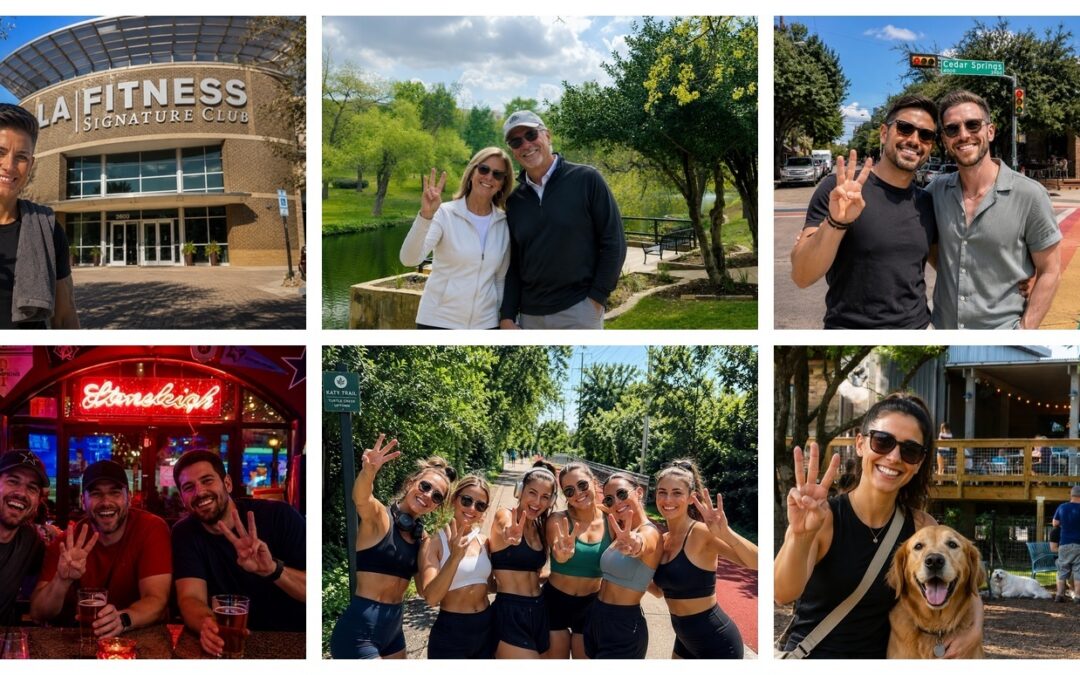
Maybe it’s Saturday morning at Shug’s Bagels.

Maybe it’s your usual stool at The Old Monk.

Maybe it’s dinner on the patio at Parigi.

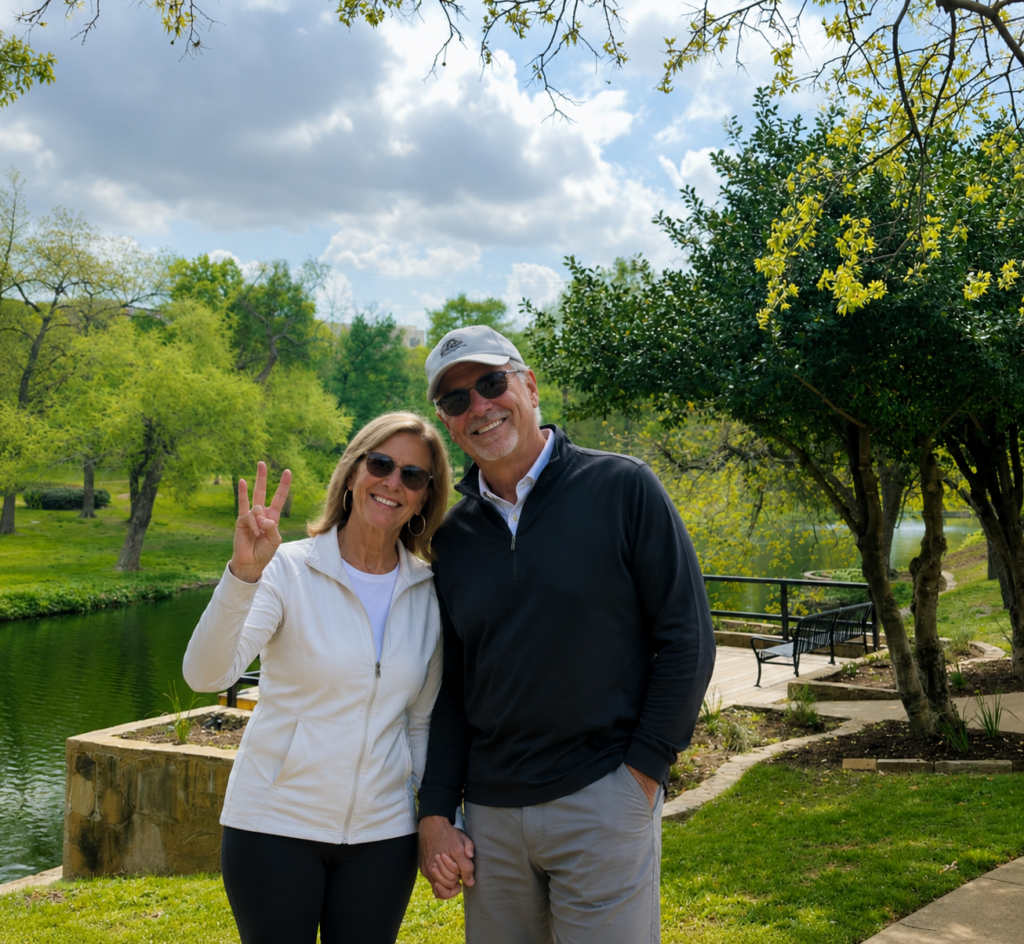
Maybe it’s your morning walk along the Katy Trail, watching the city wake up.

Maybe it’s a quiet afternoon at the Dallas Arboretum and Botanical Garden.

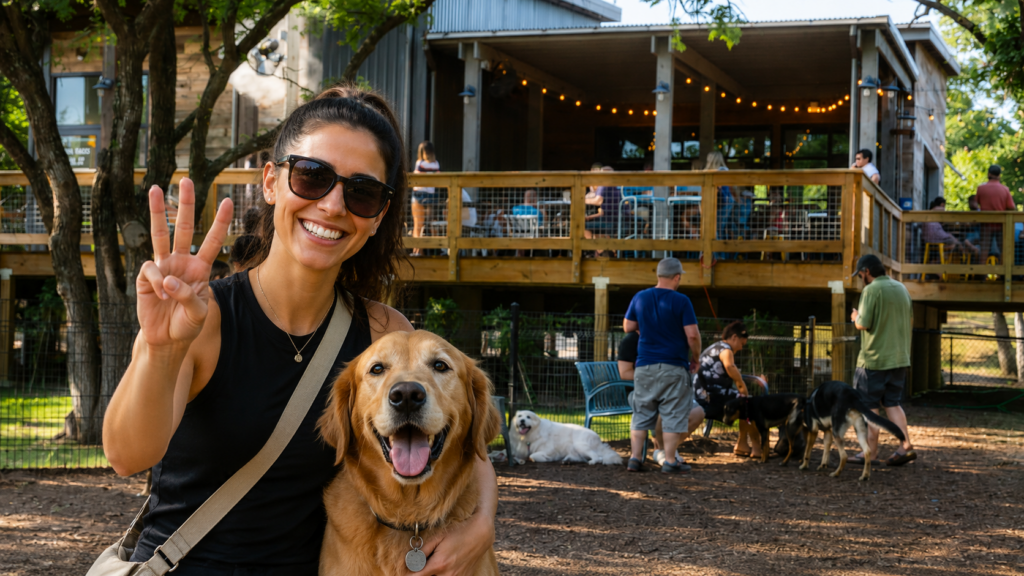
Maybe it’s the dog park, where your Labrador, Ridgeback, or Golden Retriever somehow has more friends than you do.

Whatever it is, it’s probably become woven into the tapestry of your life.

We Don’t Fall in Love With Addresses

As a REALTOR®, people often assume my job is helping clients find houses.

That’s only part of it.

The better part is helping people build a life.

A home is important.

But so is the coffee shop where they know your order.

The bartender who greets you by name.

The trainer waiting for you at your neighborhood gym.

The Sunday morning congregation that notices when you’re missing.

The bookstore where you always seem to leave with one more title than you intended to buy.

Those places don’t appear on an MLS listing.

Yet they often become some of the most meaningful parts of living in a neighborhood.

The Neighborhood Rituals That Shape Us

The happiest people I know usually have routines.

Not because they’re boring.

Because they’re grounding.

Thursday happy hour.

Saturday morning bagels.

Sunday worship.

An evening walk.

Coffee with an old friend.

Throwing a tennis ball until your dog refuses to chase it one more time.

Those rituals quietly become part of who we are.

They’re why two people can live on the same street and have completely different experiences of the same neighborhood.

Dallas Is Full of Third Places

One of my favorite things about Dallas is that every neighborhood seems to have its own collection of places where life naturally gathers.

Oak Lawn.

Uptown.

Turtle Creek.

Knox Henderson.

East Dallas.

Bishop Arts.

Each has its own rhythm.

Its own regulars.

Its own traditions.

Over the coming months, I’d like to introduce you to some of those places and, even more importantly, the people who make them special.

Not because they’re trendy.

Not because they’re expensive.

But because they’re where community quietly happens.

So…

What’s your third place?

I’d genuinely love to know.

Maybe it’s Shug’s Bagels.

Maybe it’s The Old Monk.

Maybe it’s the Katy Trail.

Maybe it’s a neighborhood dog park where your best conversations happen while your dog insists on making new friends.

Tell me where it is.

Tell me why it matters.

Click Here to join our >>> NEW <<< Facebrook group and tell us WHERE IS YOUR THIRD PLACE!

Oak Lawn is Reinventing Itself, Again

Oak Lawn is Reinventing Itself, Again

If you’ve spent any time in Oak Lawn, you’ve probably noticed something happening over the last several years.

The neighborhood isn’t just changing.

It’s evolving.

Older properties are being renovated, aging retail centers are being reimagined, and developers continue looking for opportunities to bring new density and new investment into one of Dallas’ most desirable urban neighborhoods.

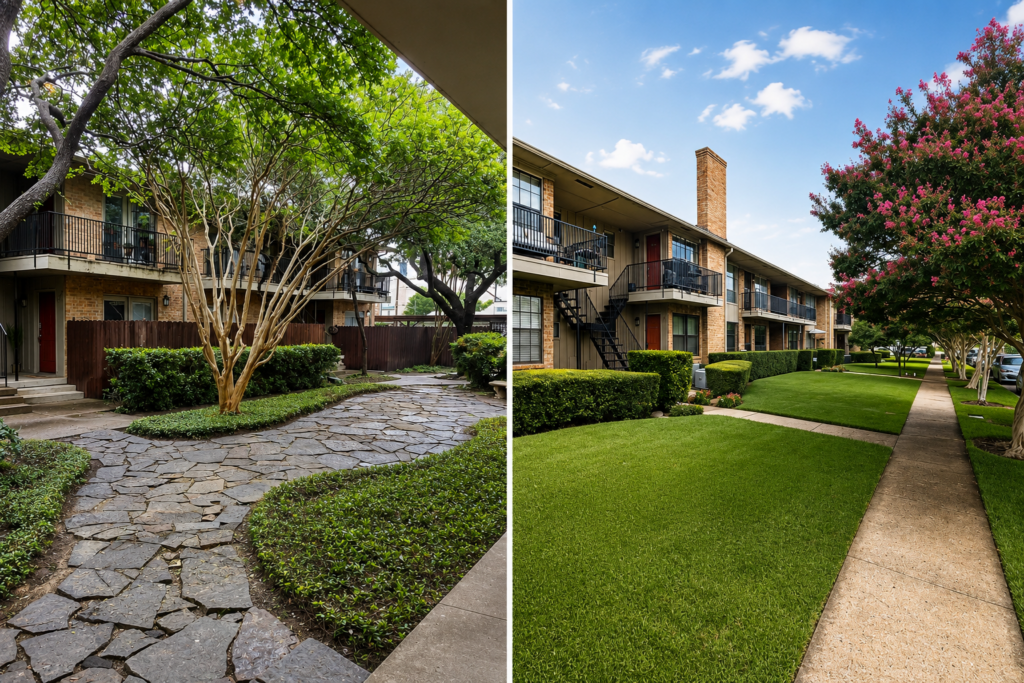
The latest example is a proposed 28-story residential tower planned near the intersection of Newton Avenue and Oak Lawn Avenue where presently stands 4211 Neton Avenue. If approved, the project would replace an aging condominium community that has occupied the site since the 1960s.

The proposed development would bring hundreds of new residential units to the area, along with structured parking, publicly accessible green space, water features, and a pedestrian-focused design intended to better connect with the surrounding neighborhood.

Whether you love new development or hate it, projects like this force an interesting conversation.

What should happen when a building reaches the end of its useful life?

Should a city preserve everything exactly as it is?

Or should neighborhoods be allowed to evolve as demand changes?

There isn’t a perfect answer.

What is clear is that Oak Lawn continues to attract residents who want an urban lifestyle close to Uptown, Turtle Creek, Highland Park, the Katy Trail, and some of Dallas’ most popular restaurants, shops, and entertainment destinations.

Demand for that lifestyle isn’t slowing down.

Developers know it.

Investors know it.

And buyers know it.

One detail I found particularly interesting while researching this story wasn’t mentioned in most of the development coverage.

I pulled the MLS history for the condominium community slated for redevelopment.

Over the past twelve months, there were no recorded sales.

Not one.

The only transactions reported in the MLS were three leases, one in July, one in August, and one in November of last year.

Of course, we don’t know the story behind every unit. It’s entirely possible that some owners had already reached agreements outside the MLS. It’s also possible that residents simply chose not to sell.

Still, the absence of sales activity is hard to ignore.

In a market where ownership changes hands every day, zero sales over an entire year is unusual.

Whether residents knew redevelopment was coming or whether the market simply sensed change on the horizon, the data suggests this community may have already been entering its final chapter.

As a condominium owner myself, I find stories like this fascinating.

A building isn’t just concrete and drywall.

It’s a collection of memories, neighbors, investments, and decades of history.

But cities are living things.

They grow.

They adapt.

They reinvent themselves.

And sometimes that means saying goodbye to one chapter so another can begin.

This proposed tower may still face approvals, community discussions, and additional planning before construction begins.

But regardless of the final outcome, it offers an interesting glimpse into the future of Oak Lawn and the continued evolution of one of Dallas’ most recognizable neighborhoods.

The Most Valuable Luxury in Dallas Isn’t What You Think

The Most Valuable Luxury in Dallas Isn’t What You Think

Ask someone to describe a luxury home in Dallas and you’ll probably hear the same answers.

Marble countertops.

Resort-style pools.

Wine rooms.

Three-car garages.

Walk-in closets the size of apartments.

Those things are certainly nice.

But they’re not the most valuable luxury in Dallas.

Not even close.

The Luxury We Chase

For decades, homeownership has often been framed as a simple equation: bigger is better.

More square footage.

More bedrooms.

More amenities.

More everything.

And for some people, that’s exactly the right choice.

But after years of helping buyers navigate the Dallas market, I’ve noticed something interesting.

The homes people talk about most fondly months after moving in are rarely the ones with the biggest closets or the tallest ceilings.

They’re the homes that make everyday life easier.

The Commute Nobody Calculates

A buyer may spend weeks comparing floor plans, granite selections, and school ratings.

What often gets overlooked is how much time a home gives back, or takes away.

A twenty-minute commute doesn’t sound very different from a forty-minute commute.

Until you realize that’s more than three hours every week.

More than thirteen hours every month.

More than six hundred hours every year.

That’s nearly four full weeks of your life spent sitting in traffic.

Suddenly, the house that looked like a bargain starts costing something much more valuable than money.

Convenience Is the New Luxury

The most valuable luxury in Dallas today isn’t necessarily found inside the home.

It’s found just outside the front door.

It’s being able to stop by your favorite coffee shop without planning an expedition.

It’s having dinner reservations five minutes away.

It’s being close enough to walk the dog without loading everyone into the car first.

It’s knowing your neighbors.

It’s recognizing familiar faces at the grocery store.

It’s feeling connected to the place you live instead of simply sleeping there.

Luxury has become less about showing people what you own and more about creating a life you enjoy living.

The Wealth of Time

Some of the happiest homeowners I know don’t own the largest homes.

They own homes that support the lives they want to live.

They spend less time commuting.

Less time driving.

Less time planning every errand.

More time with family.

More time with friends.

More time doing the things that actually matter.

That’s a luxury no countertop can provide.

What Buyers Are Really Looking For

Most buyers begin their search focused on the house.

Eventually, they realize they’re really searching for a lifestyle.

The house matters.

Of course it does.

But the house is only part of the equation.

The neighborhood.

The convenience.

The walkability.

The proximity to work, restaurants, parks, and everyday necessities.

Those things shape your life long after the excitement of moving day fades.

And that’s why the most valuable luxury in Dallas isn’t what most people think.

It’s not marble.

It’s not square footage.

It’s not a resort-style pool.

It’s time.

And besides good health, time may be the most luxurious thing of all.

The Difference Between a House You Walk Through and a House You Remember

The Difference Between a House You Walk Through and a House You Remember

Most buyers think they’re shopping for square footage.

They’re not.

They think they’re comparing kitchens, bathrooms, floor plans, and countertops.

They’re not doing that either.

What they’re really doing is walking through a home and asking themselves one simple question:

“Can I see my life here?”

And one of the biggest factors influencing that decision often goes completely unnoticed.

Lighting.

Not the light fixtures.

Not the chandeliers.

Not the brand of recessed cans.

The light itself.

Think about the homes you’ve toured that felt warm, comfortable, and inviting.

Now think about the homes that felt cold, dark, or forgettable.

The difference is often lighting.

A well-lit home feels larger. Cleaner. More welcoming. More expensive.

A poorly lit home can make a beautiful property feel smaller than it is and less inviting than it should be.

The interesting part is that buyers rarely walk through a house and say, “The lighting is fantastic.”

Instead, they say things like:

“I love this room.”

“This house feels different.”

“It just feels right.”

They’re reacting to the atmosphere the lighting creates.

Natural light is usually the first thing people notice.

Large windows, thoughtfully placed glass, and rooms that capture daylight tend to photograph better, show better, and leave a stronger impression on buyers.

But natural light is only part of the story.

The homes that feel truly special often use layers of lighting throughout the space.

Accent lighting can highlight artwork, architectural details, built-ins, or decorative niches.

Task lighting improves function in kitchens, offices, and reading areas.

Ambient lighting creates warmth and comfort throughout the room.

Together, these layers create depth.

The room feels intentional.

Finished.

Comfortable.

Luxury builders have understood this for years.

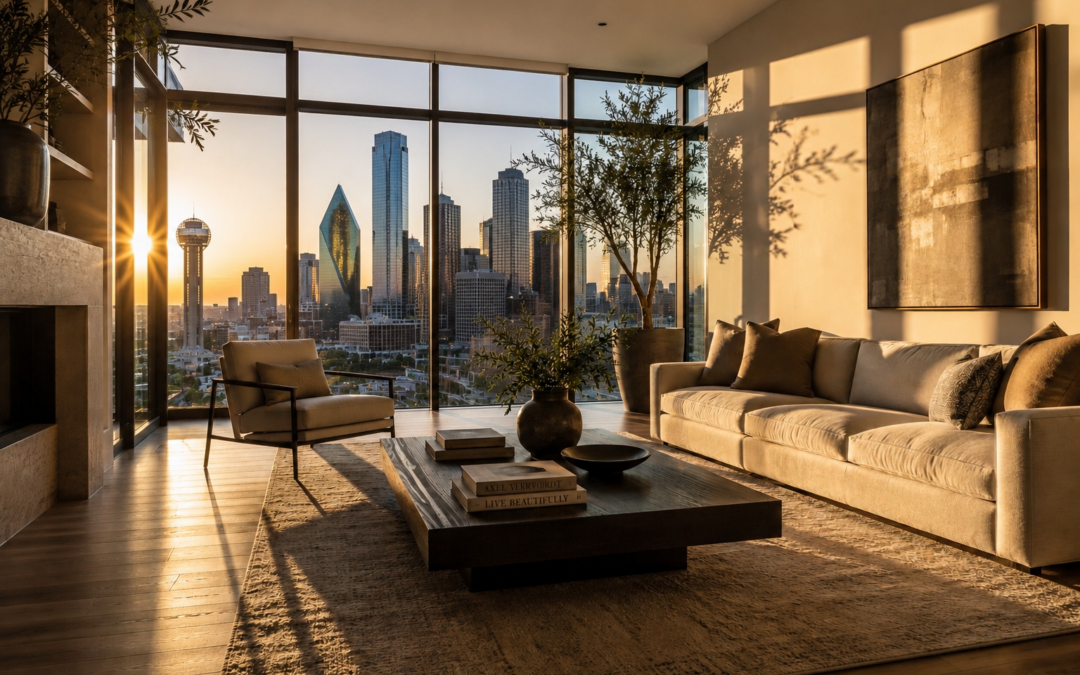
Luxury Dallas living room featuring layered interior lighting, illuminated built-in shelving, recessed ceiling lights, and architectural accent lighting.

Walk through a custom home and you’ll often find subtle lighting tucked into bookshelves, art niches, cabinetry, stairways, and outdoor living spaces.

The lighting isn’t screaming for attention.

It’s quietly shaping the experience.

Even exterior lighting plays an important role.

A thoughtfully illuminated entry creates a welcoming first impression long before a buyer steps through the front door.

Mid-century modern Dallas home with architectural landscape lighting and illuminated exterior trees at dusk.

Landscape lighting can make a home feel established, elegant, and secure.

The best lighting does something that every homeowner wants their property to do.

It creates emotion.

Because at the end of the day, buyers don’t remember every floor plan they toured.

They don’t remember every countertop they saw.

They remember how a home made them feel.

That’s why some houses become forgettable before the next showing.

And why others stay with buyers long after they’ve left the driveway.

Sometimes the difference isn’t the size of the room.

It’s simply how the light falls across it.