






Oak Lawn is Reinventing Itself, Again

Oak Lawn is Reinventing Itself, Again

If you’ve spent any time in Oak Lawn, you’ve probably noticed something happening over the last several years.

The neighborhood isn’t just changing.

It’s evolving.

Older properties are being renovated, aging retail centers are being reimagined, and developers continue looking for opportunities to bring new density and new investment into one of Dallas’ most desirable urban neighborhoods.

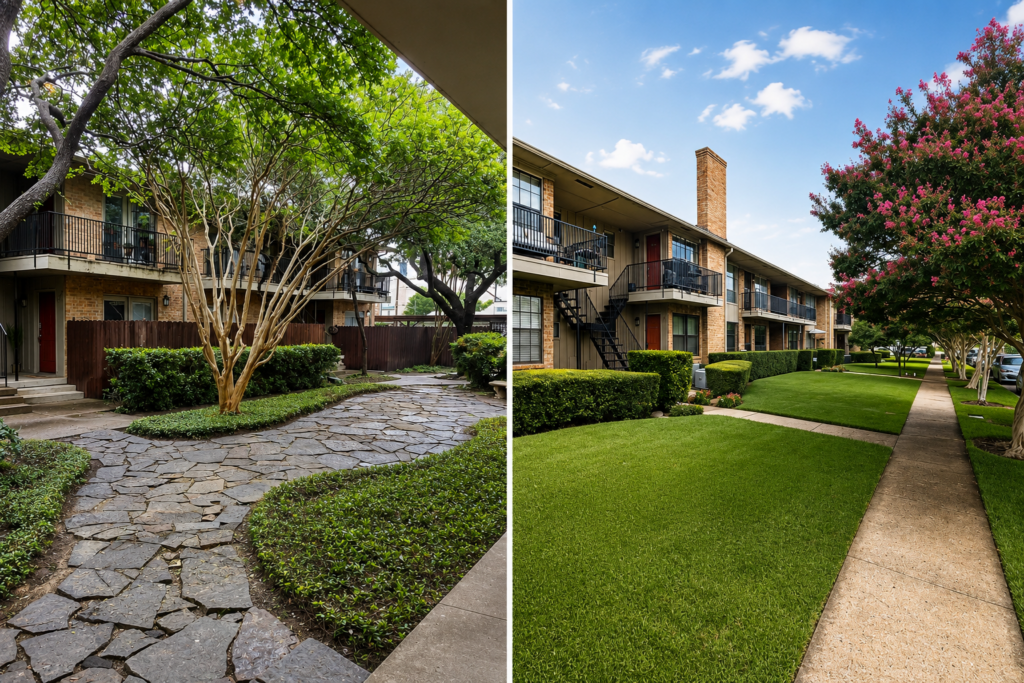
The latest example is a proposed 28-story residential tower planned near the intersection of Newton Avenue and Oak Lawn Avenue where presently stands 4211 Neton Avenue. If approved, the project would replace an aging condominium community that has occupied the site since the 1960s.
The proposed development would bring hundreds of new residential units to the area, along with structured parking, publicly accessible green space, water features, and a pedestrian-focused design intended to better connect with the surrounding neighborhood.

Whether you love new development or hate it, projects like this force an interesting conversation.

What should happen when a building reaches the end of its useful life?

Should a city preserve everything exactly as it is?

Or should neighborhoods be allowed to evolve as demand changes?

There isn’t a perfect answer.

What is clear is that Oak Lawn continues to attract residents who want an urban lifestyle close to Uptown, Turtle Creek, Highland Park, the Katy Trail, and some of Dallas’ most popular restaurants, shops, and entertainment destinations.

Demand for that lifestyle isn’t slowing down.

Developers know it.

Investors know it.

And buyers know it.

One detail I found particularly interesting while researching this story wasn’t mentioned in most of the development coverage.

I pulled the MLS history for the condominium community slated for redevelopment.

Over the past twelve months, there were no recorded sales.

Not one.

The only transactions reported in the MLS were three leases, one in July, one in August, and one in November of last year.

Of course, we don’t know the story behind every unit. It’s entirely possible that some owners had already reached agreements outside the MLS. It’s also possible that residents simply chose not to sell.

Still, the absence of sales activity is hard to ignore.

In a market where ownership changes hands every day, zero sales over an entire year is unusual.

Whether residents knew redevelopment was coming or whether the market simply sensed change on the horizon, the data suggests this community may have already been entering its final chapter.

As a condominium owner myself, I find stories like this fascinating.

A building isn’t just concrete and drywall.

It’s a collection of memories, neighbors, investments, and decades of history.

But cities are living things.

They grow.

They adapt.

They reinvent themselves.

And sometimes that means saying goodbye to one chapter so another can begin.

This proposed tower may still face approvals, community discussions, and additional planning before construction begins.

But regardless of the final outcome, it offers an interesting glimpse into the future of Oak Lawn and the continued evolution of one of Dallas’ most recognizable neighborhoods.


The 7 Most Requested Features in Dallas Homes Right Now, and How Sellers Are Capitalizing on Them

The 7 Most Requested Features in Dallas Homes Right Now, and How Sellers Are Capitalizing on Them

Every seller wants to know the same thing:

“What are buyers looking for right now?”

The answer may surprise you.

In 2026, buyers aren’t necessarily searching for the biggest house on the block. They’re looking for homes that feel comfortable, functional, and ready for modern life.

The good news for sellers is that many of these features don’t require a major renovation. Often, it’s simply a matter of identifying what buyers value and making sure those features are properly presented.

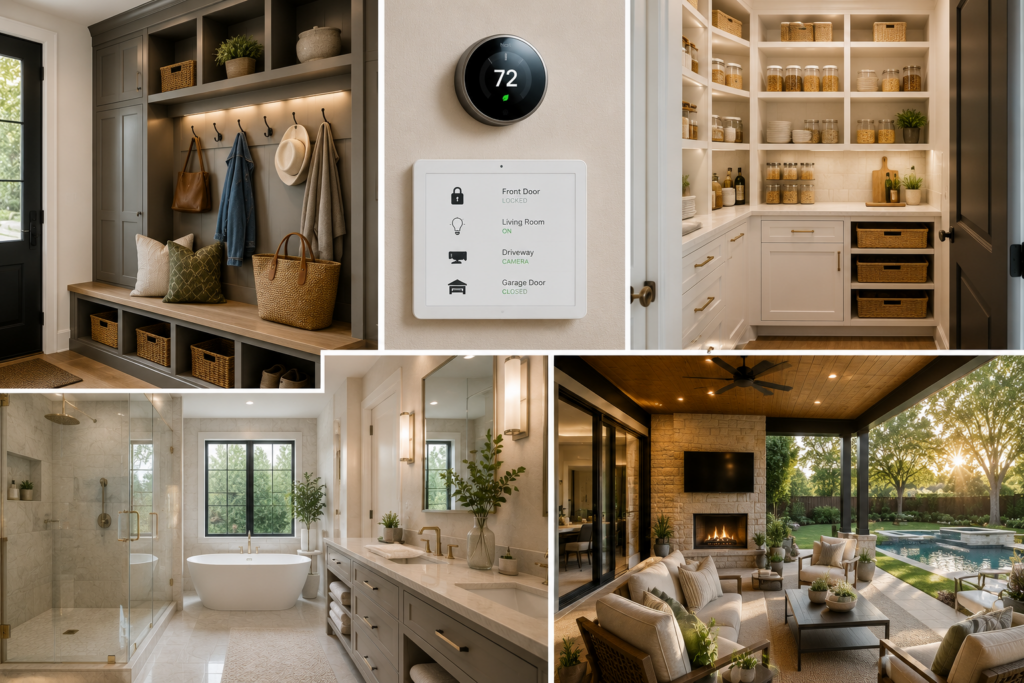
Here are seven of the most requested features in Dallas homes right now, and how savvy sellers are using them to stand out.

1. Covered Outdoor Living Spaces

Outdoor living remains one of the most desirable features in North Texas.

Covered patios, outdoor kitchens, fireplaces, and shaded seating areas continue to attract attention from buyers who want their home to feel larger than its interior square footage.

Seller Tip: Before listing, clean outdoor spaces thoroughly, pressure wash surfaces, and stage patios as functional living areas rather than empty concrete slabs.

2. Energy-Efficient Features

High-performance windows, upgraded insulation, smart thermostats, tankless water heaters, and modern HVAC systems continue to be major selling points.

With Texas summers growing hotter and utility costs remaining a concern, buyers are paying attention.

Seller Tip: If you’ve invested in energy-efficient upgrades, document them. Buyers can’t appreciate improvements they don’t know exist.

3. Flexible Spaces

Today’s buyers love options.

A spare bedroom that can function as a home office, gym, guest room, or hobby space often feels more valuable than a room with a single purpose.

Seller Tip: Stage flex spaces intentionally. Help buyers understand how the room can improve their lifestyle.

4. Smart Home Technology

Smart locks, security systems, lighting controls, thermostats, and integrated home technology have become increasingly common expectations.

These upgrades may seem small, but they create an impression that the home is current and well maintained.

Seller Tip: Make sure all smart devices are functioning properly and provide buyers with a simple list of installed technology.

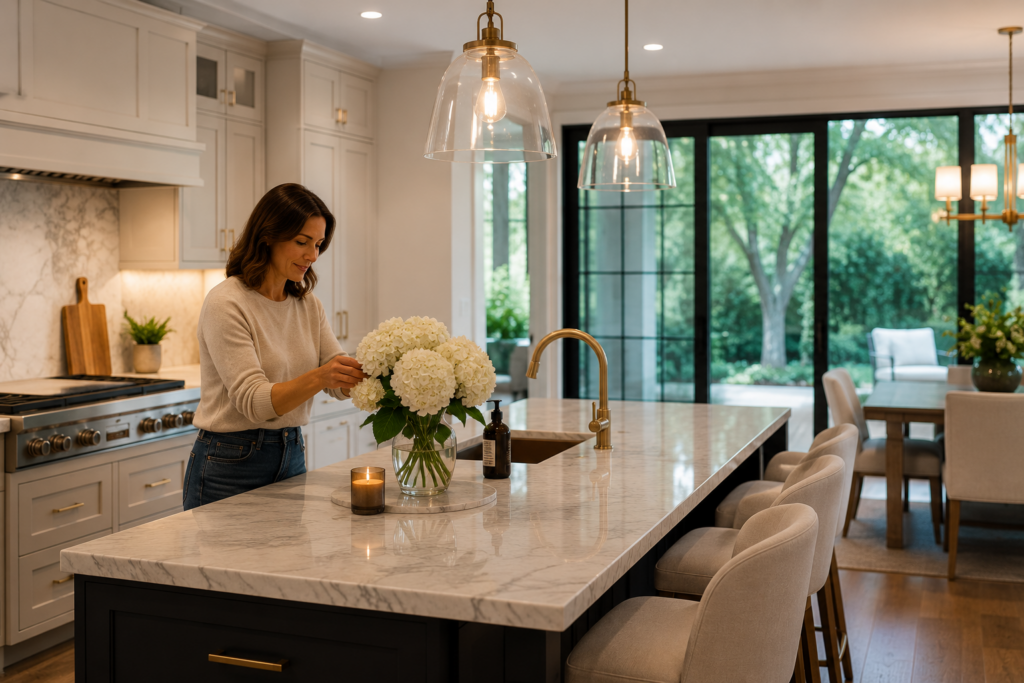
5. Kitchens That Work

The kitchen remains one of the most important rooms in any home.

Buyers continue to gravitate toward large islands, ample storage, walk-in pantries, quality appliances, and layouts that support everyday living.

Seller Tip: A deep cleaning, fresh hardware, updated lighting, and decluttering can often deliver more value than an expensive remodel.

6. Spa-Inspired Primary Bathrooms

Buyers are increasingly drawn to primary suites that feel calm and relaxing.

Large showers, double vanities, good lighting, and clean finishes continue to influence purchasing decisions.

Seller Tip: Focus on presentation. Fresh towels, spotless glass, bright lighting, and minimal clutter can dramatically improve first impressions.

7. Organization and Storage

It may not be glamorous, but storage sells.

Mudrooms, drop zones, built-ins, organized closets, and practical storage solutions consistently rank among the features buyers appreciate most.

Seller Tip: Before listing, remove at least twenty-five percent of the contents from closets and storage areas. Spacious storage feels more valuable than packed storage.

What Sellers Should Take Away

The biggest trend I’m seeing in Dallas isn’t bigger homes.

It’s better-functioning homes.

The sellers achieving the strongest results are not necessarily the ones spending the most money before listing. They’re the ones who understand what buyers value and make those features impossible to miss.

Sometimes the difference between a good listing and a great listing isn’t a renovation.

It’s knowing what buyers are already looking for and presenting your home accordingly.

The Deal That Should Have Died

The Deal That Should Have Died

If you’ve been involved in enough real estate transactions, you eventually discover something interesting.

The deals that seem easiest at the beginning often become complicated.

And the deals that look completely doomed somehow find a way to cross the finish line.

I’ve seen inspection reports that looked like horror novels.

I’ve seen financing issues appear days before closing.

I’ve seen appraisals come in short.

I’ve seen buyers panic.

I’ve seen sellers dig in their heels.

I’ve seen family members, lenders, inspectors, contractors, title companies, and REALTORS® all take turns becoming frustrated.

In other words, I’ve seen real estate.

One of the biggest misconceptions people have about buying or selling a home is that a successful transaction is one without problems.

That’s almost never true.

The reality is that nearly every transaction encounters obstacles. The difference between a deal that closes and a deal that falls apart is usually not the size of the problem.

It’s how the people involved respond to it.

Early in my career, every problem felt like an emergency.

Every unexpected phone call raised my blood pressure.

Every delay felt catastrophic.

Every difficult conversation seemed larger than life.

Experience eventually taught me something different.

Most problems are simply problems.

They’re not disasters.

They’re not signs that the deal is dead.

They’re simply the next issue that needs to be addressed.

The buyer doesn’t benefit from panic.

The seller doesn’t benefit from panic.

The lender doesn’t benefit from panic.

The inspector doesn’t benefit from panic.

And I certainly don’t benefit from panic.

So when something goes sideways, and something almost always does, I’ve learned to ask a simple question:

What’s the next step?

Not next month.

Not next week.

Not five steps from now.

Just the next step.

Call the lender.

Review the inspection report.

Gather additional information.

Request documentation.

Have the difficult conversation.

Then take the next step after that.

And then the next.

One thing I’ve also learned is that stress reveals people.

The buyer who has been calm for weeks suddenly becomes anxious because they’re making one of the largest financial decisions of their life.

The seller who seemed flexible becomes emotional because they’re parting with a home full of memories.

The father helping with the down payment develops strong opinions.

The appraiser gets blamed.

The inspector gets blamed.

The REALTOR® definitely gets blamed.

Everybody gets a turn.

That’s normal.

It’s also temporary.

The key is remembering that nobody is at their best when they’re scared.

And buying or selling a home can be scary.

That’s why professionalism matters.

Not when everything is going smoothly.

When it isn’t.

The best transactions aren’t the ones that avoid problems.

They’re the ones where the people involved keep moving forward despite them.

Every time I look back at a transaction that seemed impossible, I usually discover the same thing.

The deal survived because people stayed focused on solutions instead of emotions.

Real estate isn’t about avoiding problems.

It’s about navigating them.

And more often than not, that’s what gets everyone to the closing table.

Why So Many Dallas Homes Need a Price Reduction

Why So Many Dallas Homes Need a Price Reduction

Every month, I review market reports, closed sales, and listing activity throughout Dallas. And every month, I find myself asking the same question:

Why are so many homes requiring price reductions before they sell?

The answer is usually not what people think.

Most sellers assume a price reduction means the market changed.

Sometimes that’s true.

Most of the time, it isn’t.

More often, the home was simply priced incorrectly from the beginning.

The Problem Starts Before the Sign Goes in the Yard

One of the most important meetings in the entire selling process happens before a property ever reaches the market.

It’s the pricing conversation.

This is where expectations meet reality.

Unfortunately, reality is not always welcome.

Every seller wants to maximize the value of their home. They should. For most people, it’s their largest financial asset.

But market value is not determined by what a seller hopes to receive.

Market value is determined by what a ready, willing, and able buyer is willing to pay, and what a ready, willing, and able seller is willing to accept.

That distinction matters.

Not Every House Down the Street Is a Comparable Sale

One of the most common mistakes I see is homeowners comparing their property to the highest sale they can find in the neighborhood.

I understand why.

If a nearby home sold for $700,000, it’s natural to wonder whether yours should sell for the same amount.

But let’s look a little deeper.

If that home has 1,000 additional square feet, a brand-new kitchen, updated bathrooms, new flooring, a new roof, and a backyard renovation that cost tens of thousands of dollars, is it really comparable?

Or is it simply a nearby house that sold?

Those are two very different things.

A comparable sale isn’t just a house in the same neighborhood.

It’s a house that buyers would reasonably compare to yours when making a purchasing decision.

Active Listings Are Asking Questions

This is another area where sellers get into trouble.

Many people look at homes currently for sale and assume that’s what their home is worth.

The problem is that active listings haven’t sold.

They’re not evidence of value.

They’re evidence of what someone hopes to get.

In real estate, sold properties establish value.

Active listings are asking questions.

Closed sales are the answers.

That’s why professional pricing begins with sold comparable properties, not wishful thinking and not aspirational asking prices.

The Most Expensive Phrase in Real Estate

There is a phrase I hear far too often:

“Let’s try it and see what happens.”

On the surface, it sounds harmless.

In reality, it can be incredibly expensive.

When a home first hits the market, it receives the greatest amount of attention it will ever receive.

Buyers notice.

Agents notice.

Online traffic spikes.

Showing activity is highest.

The first few weeks are often the most important weeks of the entire listing.

When a property is overpriced, that opportunity can be wasted.

Showings slow.

Buyers move on.

Days on market accumulate.

Eventually, the price gets reduced to where it should have been in the first place.

Only now, the property has lost momentum.

Sometimes the Hard Conversation Is the Most Valuable One

One of the hardest parts of my job is telling someone something they don’t want to hear.

But that’s also one of the most important parts of my job.

A REALTOR® should not be hired to validate a number.

A REALTOR® should be hired to interpret the market.

Sometimes that means confirming a seller’s expectations.

Sometimes it means challenging them.

The goal is not to win a pricing argument.

The goal is to get the property sold for the highest price the market will realistically support.

Those are not always the same thing.

The Bottom Line

Price reductions are not always a sign of a weak market.

More often, they’re a sign that the market has spoken.

The question is whether we’re willing to listen before the listing goes live or after several months of frustration.

The best pricing strategy isn’t the highest number someone can justify.

It’s the number that attracts the right buyers, creates competition, and allows the market to do what it does best.

Because in the end, the market doesn’t care what we want.

It only cares what buyers are willing to pay.

Everybody Wants an Honest REALTOR® Until They Hear an Honest Answer

Everybody Wants an Honest REALTOR® Until They Hear an Honest Answer

Everyone says they want honesty.

They want honesty from their doctor.

They want honesty from their attorney.

They want honesty from their accountant.

And they definitely want honesty from their REALTOR®.

At least they think they do.

What most people actually want is validation.

They want someone to tell them their house is worth more than it is.

They want someone to tell them the inspection report isn’t a big deal.

They want someone to tell them they can buy more house than their budget allows.

They want someone to tell them the offer they submitted is brilliant and destined for success.

And sometimes, that’s exactly what they hear.

The problem is that validation feels good for about five minutes.

Reality tends to stick around a little longer.

The interesting thing is that after all these years in real estate, I’ve noticed that the most valuable conversations are often the least comfortable ones.

“Your home is probably overpriced.”

“This isn’t the strongest offer.”

“The buyers aren’t being unreasonable.”

“We need to make some repairs.”

“That neighborhood may not be the right fit.”

None of those statements are particularly fun.

None of them are likely to earn a standing ovation.

But they might save someone thousands of dollars, months of frustration, or a transaction that falls apart at the finish line.

The truth is that real estate is emotional.

People aren’t just buying and selling houses.

They’re buying hopes, plans, memories, expectations, and sometimes a healthy amount of ego.

That’s perfectly normal.

We’re human.

But emotion can make it difficult to hear things we don’t want to hear.

Especially when we’ve already convinced ourselves we’re right.

I’ve had clients hire me because I told them the truth.

I’ve also had people decide not to work with me because I told them the truth.

That’s okay.

My job isn’t to win every conversation.

My job is to help people make good decisions.

Sometimes that means delivering good news.

Sometimes it means delivering news that isn’t quite as exciting.

The funny part is that months later, after the dust settles and the transaction is complete, the thing people most often thank me for isn’t my marketing, my negotiation skills, or even my availability.

It’s honesty.

Not because it felt good in the moment.

Because it turned out to be right.

The best REALTOR® in the room is often the one least afraid of losing your business.

Because the person who is terrified of hearing “no” will often tell you whatever you want to hear.

The person who is comfortable telling you the truth is usually focused on something much more important:

Getting you to the finish line with your eyes wide open.

And that’s a very different thing.

Because everybody wants an honest REALTOR®.

Right up until they hear an honest answer.

The Difference Between a House You Walk Through and a House You Remember

The Difference Between a House You Walk Through and a House You Remember

Most buyers think they’re shopping for square footage.

They’re not.

They think they’re comparing kitchens, bathrooms, floor plans, and countertops.

They’re not doing that either.

What they’re really doing is walking through a home and asking themselves one simple question:

“Can I see my life here?”

And one of the biggest factors influencing that decision often goes completely unnoticed.

Lighting.

Not the light fixtures.

Not the chandeliers.

Not the brand of recessed cans.

The light itself.

Think about the homes you’ve toured that felt warm, comfortable, and inviting.

Now think about the homes that felt cold, dark, or forgettable.

The difference is often lighting.

A well-lit home feels larger. Cleaner. More welcoming. More expensive.

A poorly lit home can make a beautiful property feel smaller than it is and less inviting than it should be.

The interesting part is that buyers rarely walk through a house and say, “The lighting is fantastic.”

Instead, they say things like:

“I love this room.”

“This house feels different.”

“It just feels right.”

They’re reacting to the atmosphere the lighting creates.

Natural light is usually the first thing people notice.

Large windows, thoughtfully placed glass, and rooms that capture daylight tend to photograph better, show better, and leave a stronger impression on buyers.

But natural light is only part of the story.

The homes that feel truly special often use layers of lighting throughout the space.

Accent lighting can highlight artwork, architectural details, built-ins, or decorative niches.

Task lighting improves function in kitchens, offices, and reading areas.

Ambient lighting creates warmth and comfort throughout the room.

Together, these layers create depth.

The room feels intentional.

Finished.

Comfortable.

Luxury builders have understood this for years.

Luxury Dallas living room featuring layered interior lighting, illuminated built-in shelving, recessed ceiling lights, and architectural accent lighting.

Walk through a custom home and you’ll often find subtle lighting tucked into bookshelves, art niches, cabinetry, stairways, and outdoor living spaces.

The lighting isn’t screaming for attention.

It’s quietly shaping the experience.

Even exterior lighting plays an important role.

A thoughtfully illuminated entry creates a welcoming first impression long before a buyer steps through the front door.

Mid-century modern Dallas home with architectural landscape lighting and illuminated exterior trees at dusk.

Landscape lighting can make a home feel established, elegant, and secure.

The best lighting does something that every homeowner wants their property to do.

It creates emotion.

Because at the end of the day, buyers don’t remember every floor plan they toured.

They don’t remember every countertop they saw.

They remember how a home made them feel.

That’s why some houses become forgettable before the next showing.

And why others stay with buyers long after they’ve left the driveway.

Sometimes the difference isn’t the size of the room.

It’s simply how the light falls across it.

Some Homes Feel Expensive Before You Ever See the Price

Some Homes Feel Expensive Before You Ever See the Price

There are homes people admire, and then there are homes people feel something inside of.

The interesting part is that those feelings often begin long before anyone asks about the price per square foot, the school district, or whether the kitchen countertops are quartz or marble. Buyers usually know within moments whether a home feels elevated, calm, inviting, or forgettable. The emotional reaction happens first. Logic arrives later.

And contrary to what many people assume, that “expensive” feeling rarely comes from excess.

In today’s Dallas market, some of the most memorable homes are not necessarily the largest homes or the most extravagant homes. They are simply intentional. The lighting feels right. The proportions feel balanced. The home feels clean, cared for, and emotionally easy to be inside of.

That matters more than many sellers realize.

Buyers and tenants are overwhelmed today. They scroll through hundreds of listings, endless photos, and properties that begin blending together after a while. The homes that stand out are usually not the loudest ones. They are the ones that create emotional clarity.

A beautifully presented home reduces friction.

People stop wondering if they could live there and begin imagining themselves already living there.

That transition is where momentum happens.

This is also why presentation matters so much more than people think. Not “staging” in the artificial sense. Not filling rooms with trendy furniture and decorative objects that feel disconnected from real life. True presentation is about creating emotional ease.

Clean sightlines.
Natural light.
Thoughtful scale.
Warm textures.
A sense of calm.

Those details quietly shape perception.

Even landscaping plays a role. Mature trees, intentional outdoor spaces, and a welcoming entry sequence can completely change how a property feels before the front door ever opens. Buyers often interpret emotional comfort as value, even if they cannot immediately explain why.

And this is where many listings miss the mark.

Too many homes enter the market visually noisy, over-personalized, poorly photographed, dimly lit, or emotionally disconnected. Then everyone wonders why the property sits.

The market usually tells the truth fairly quickly.

The homes generating immediate interest right now are the ones that feel intentional, emotionally easy to absorb, and visually composed from the very first photo.

That applies across nearly every price point.

In many ways, the true definition of “expensive feeling” has shifted. It is less about showing off and more about creating an atmosphere people genuinely want to come home to.

And the moment a property achieves that feeling, people notice.

Sometimes before they ever see the price.

Most Buyers Decide How They Feel About a Home Before They Ever Walk In

Most Buyers Decide How They Feel About a Home Before They Ever Walk In

The decision often happens before the front door even opens.

Not logically.
Not financially.
Emotionally.

Long before buyers begin discussing interest rates, square footage, or whether the upstairs guest bathroom has dual sinks, something quieter and far more powerful is already happening. They are forming a feeling.

And once that feeling exists, everything afterward tends to support it.

That may sound dramatic, but after decades of watching buyers walk through homes across Dallas, I can tell you with absolute certainty that some homes feel special before anyone ever crosses the threshold.

You see it in the hesitation at the driveway.
The slowed pace walking toward the entrance.
The subtle widening of someone’s eyes when warm light spills through oversized windows at dusk.
The unconscious moment when a buyer straightens their posture and begins imagining themselves there.

The emotional decision has already started.

That is why great presentation matters so much.

A home is not simply competing against other homes on paper. It is competing for emotional momentum in an environment where buyers are making split-second judgments online and deeply instinctive judgments in person.

And contrary to popular belief, buyers are not always responding to luxury.

They are responding to intentionality.

A perfectly styled entry.
Clean landscaping.
Warm lighting.
Fresh paint.
Music softly playing in the background.
The absence of clutter.
The smell of clean air instead of artificial fragrance.
A kitchen that catches morning light properly.
A living room that feels calm instead of crowded.

These things sound small individually.
Together, they create atmosphere.

The best homes rarely feel accidental.

And the best marketing does not simply document a property.
It frames an emotional experience.

That is one reason some listings create immediate energy while others sit quietly on the market waiting for price reductions that never fully solve the real issue. Buyers are not only asking themselves whether a home meets their needs. They are asking themselves, often subconsciously:

“How does this place make me feel?”

The answer to that question begins long before they walk through the front door.

It starts with the first photograph.
The landscaping.
The approach.
The lighting.
The mood.
The emotional tone.

By the time a buyer steps inside, the story has already begun.

And the homes that understand this are usually the ones people remember.

The Understated Luxury of Intentional Landscaping

The Understated Luxury of Intentional Landscaping

One of the most overlooked forms of luxury in real estate has nothing to do with marble countertops, imported fixtures, or square footage.

It’s landscaping.

Not simply “having a yard,” but creating a thoughtful outdoor environment that quietly changes the way a home feels before you ever step inside. The best landscaping does not scream for attention. It guides you. Softens the architecture. Creates calm. Frames the arrival. It slows people down in the best possible way.

Some homes feel expensive the moment you pull into the driveway, even before seeing the interior. More often than not, intentional landscaping is part of the reason.

The layering of greenery, the symmetry of plantings, the softness around hard edges, the movement created by ornamental grasses, the subtle glow of landscape lighting at dusk, all of these details work together emotionally, even when buyers cannot immediately explain why the home feels so inviting.

And importantly, great landscaping is not always about excess.

In fact, some of the most sophisticated homes use restraint beautifully.

A perfectly maintained lawn, thoughtfully shaped hedges, architectural trees, natural stone pathways, and a few well-placed seasonal planters often create a stronger impression than an overly crowded garden trying to do too much at once. The goal is not decoration. The goal is atmosphere.

This becomes especially important when preparing a home for sale.

Buyers begin forming emotional opinions within seconds of arrival. Long before they evaluate floor plans or appliance packages, they are already subconsciously deciding how the property makes them feel. A welcoming exterior creates momentum for everything that follows inside.

And in neighborhoods throughout Dallas, especially in areas where architecture and lifestyle matter deeply, intentional landscaping has become part of the overall luxury experience.

It signals care.
It signals pride.
It signals that the home has been thoughtfully curated.

The best homes rarely feel accidental.

Even outdoors.

Why Some Listings Sit While Others Sell Fast

Why Some Listings Sit While Others Sell Fast

One of the biggest misconceptions in real estate is that homes only sell because of price.

Price matters, but it’s far from the only reason a listing succeeds or struggles.

Some homes hit the market and immediately create momentum. Others sit for weeks with very little activity, even in the same neighborhood and price range.

Most of the time, it comes down to presentation, positioning, and marketing.

The internet changed the way buyers shop for homes. Buyers now decide within seconds whether a property feels worth pursuing further. That decision usually happens long before they ever schedule a showing.

Poor lighting, weak photography, cluttered spaces, awkward presentation, or pricing that feels disconnected from reality can quietly kill momentum before a buyer even walks through the door.

And once a listing sits too long, buyers begin asking themselves what’s wrong with it, even when nothing actually is.

The opposite is also true.

When a home is prepared correctly, photographed intentionally, priced strategically, and marketed in a way that creates emotional connection, buyers respond differently. They lean in. They engage. They remember it.

A good listing doesn’t just inform buyers.

It creates desire.

That’s why two homes with similar square footage and similar finishes can produce completely different results.

The market notices presentation, whether people realize it or not.

Why Natural Light Changes Everything in a Home

Why Natural Light Changes Everything in a Home

One of the most overlooked features in a home isn’t something you can upgrade later. It’s how the home feels the moment you walk in.

Natural light does more than brighten a room. It shapes the entire experience.

It makes spaces feel larger, cleaner, and more inviting. It softens finishes, enhances textures, and brings a sense of energy that photos alone can’t always capture.

When buyers walk into a home with strong natural light, they tend to stay longer. They start to imagine their life there. That’s not by accident.

Compare that to a home with poor lighting. Even if the layout is solid, something feels off. It’s harder to connect, harder to get comfortable, and ultimately harder to justify.

This is where marketing makes a real difference.

That moment when the light hits just right, when a room comes alive, has to be captured and conveyed. A good agent, working with a skilled photographer, knows how to find it, frame it, and make sure buyers feel it before they ever step inside.

If you’re buying, don’t just look at square footage and finishes. Pay attention to how the home lives throughout the day.

If you’re selling, presentation matters, but positioning matters just as much. Highlighting the right features can completely change how your home is perceived.

The best homes don’t just check boxes.

Dallas Buyers Are Gaining Leverage Right Now – Here’s What That Actually Means

Dallas Buyers Are Gaining Leverage Right Now – Here’s What That Actually Means

Right now, the Dallas market is showing signs of a subtle but meaningful shift. We’re not in a downturn, but we are seeing more balance, and that changes how both buyers and sellers need to approach the market.

Inventory has increased slightly, days on market are stretching in certain segments, and buyers are taking more time before making decisions. That alone creates a different dynamic than what we’ve seen over the past couple of years.

For buyers, this means more negotiating power, more time to evaluate options, and less pressure to make rushed decisions. The urgency hasn’t disappeared, but the playing field is more forgiving than it was.

For sellers, it means pricing and presentation matter more than ever. The homes that are positioned correctly are still moving. The ones that aren’t are sitting, sometimes longer than expected.

If you’re buying, this is a moment to be strategic instead of reactive. The opportunity isn’t just in having more options, it’s in knowing how to evaluate them and when to act.

If you’re selling, this is where professional positioning makes the difference between activity and silence. The right strategy doesn’t just attract attention, it creates momentum.

The market is always changing. The advantage goes to the people who understand how to move with it.

If you’d like a quick look at how this applies to your specific situation, reach out. I’ll walk you through it.