








Why Some Rental Applications Are Approved in an Hour and Others Take Two Weeks

Why Some Rental Applications Are Approved in an Hour and Others Take Two Weeks

Sometimes the delay isn’t you. Sometimes it’s the process.

Few things are more frustrating than finding the perfect place, submitting your application, and then hearing:

“We’re still waiting.”

An hour turns into a day.

A day turns into three.

Three days turn into a week.

And suddenly you’re wondering if you’ve been denied, if someone else got the property, or if you should simply start your search all over again.

The truth is that delays happen for many reasons, and surprisingly, they often have very little to do with the applicant.

Sometimes It’s the Application

An incomplete application can slow everything down.

Missing pay stubs.

Missing bank statements.

An unsigned form.

A forgotten driver’s license.

Every missing document creates another email, another phone call, and another day of waiting.

Sometimes It’s the Employer

Employment verification sounds simple.

It isn’t always.

A manager is on vacation.

Human resources is behind.

Someone simply doesn’t answer the phone.

I’ve seen excellent applicants sit in limbo simply because an employer took several days to confirm information.

Sometimes It’s the Previous Landlord

The same thing can happen with rental history.

A former landlord may be traveling, unavailable, or simply slow to respond.

The applicant has done everything correctly, but the process can’t move forward until someone answers a question or returns a call.

Sometimes It’s the Guarantor

When guarantors are involved, the timeline often gets longer.

There may be additional applications, additional financial documents, and additional signatures required.

Recently, I worked with three guarantors on one transaction. It took several business days simply to gather all of the paperwork.

Nobody was doing anything wrong.

It was simply a lot of moving parts.

And Sometimes… It’s the Listing Agent

This may surprise people.

But one of the biggest causes of delays I see today has nothing to do with the tenant at all.

It’s friction.

The listing agent hasn’t fully prepared the owner.

The owner’s requirements haven’t been clearly communicated.

Documents are submitted and then sit for days.

Questions go unanswered.

Updates come every two or three days instead of every few hours.

The process becomes a scavenger hunt.

I’ve seen situations where a perfectly qualified tenant waited nearly two weeks for answers, not because of credit or income, but because communication simply broke down.

I’ve also seen vacant properties sit while showing requests and questions went unanswered.

The landlord is frustrated.

The applicant is frustrated.

And both are victims of unnecessary friction.

The Best Transactions Feel Easy

The smoothest leasing transactions have one thing in common.

Everyone communicates.

Everyone knows what is needed.

Questions are answered quickly.

Expectations are clear.

Documents are gathered early.

Problems are addressed immediately.

The process feels calm.

That’s not luck.

That’s preparation.

A Final Thought for Applicants

If your application is taking longer than expected, don’t automatically assume the problem is you.

Sometimes the delay is simply a missing document.

Sometimes it’s an employer who hasn’t responded.

Sometimes it’s a guarantor gathering paperwork.

And sometimes, unfortunately, it’s a process that wasn’t thoughtfully managed.

The good news?

Most delays can be worked through with patience, communication, and someone willing to keep everyone moving toward the same goal.

Because at the end of the day, both the owner and the applicant usually want the same thing:

A successful move-in.

The best leasing experiences don’t add friction.

They remove it.

So if you’re waiting for an answer today, don’t let the silence convince you the worst has happened.

Silence doesn’t always mean rejection.

Sometimes it simply means someone, somewhere, hasn’t done their homework yet.

The Investor Trap in a Buyer’s Market

The Investor Trap in a Buyer’s Market

A Fireplace, a Vision, and a Condo in Dallas

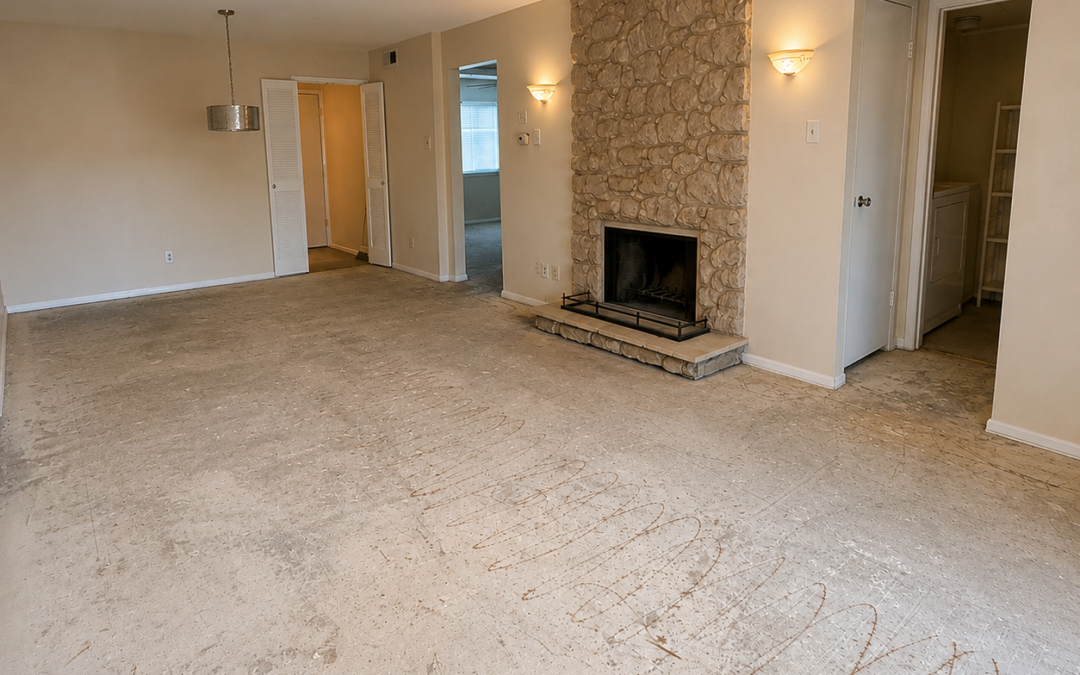
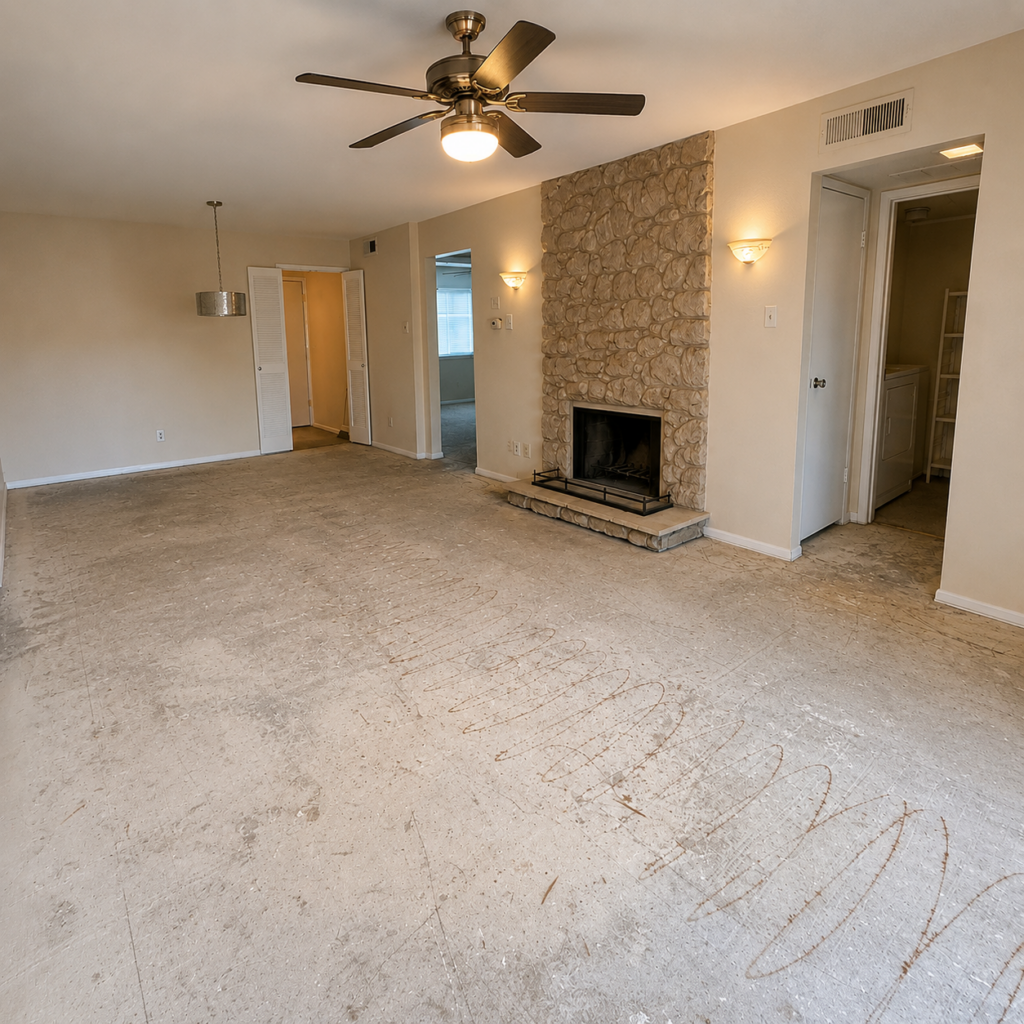
A few weeks ago, one of my clients, Festus, purchased a two-bedroom, two-bath condominium in Dallas. The unit needed updating, but it had good bones, an unusually large laundry room, and plenty of potential.

One of the first things to go was the oversized faux-stone fireplace that dominated the living room. Years ago, it may have been considered a feature. Today, it felt heavy and dated.

In its place, Festus is creating something entirely different, a sleek, dramatic marble fireplace that transforms the room and gives the property a much more modern feel.

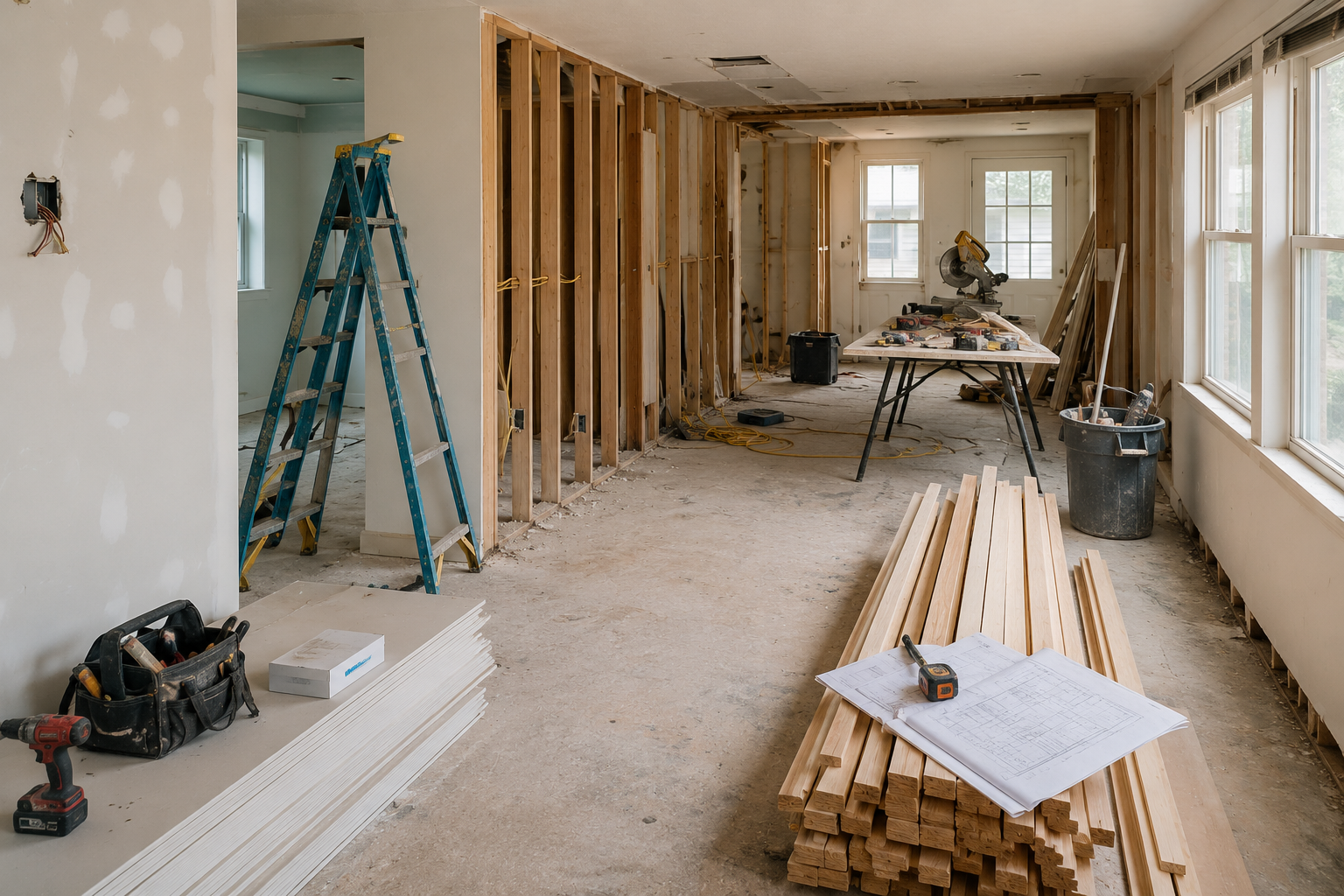
The kitchen is being completely reimagined. The bathrooms are being updated. The entire property is being refreshed for today’s buyer.

It’s exciting.

And it highlights one of the biggest challenges investors face in today’s market.

We’ll come back to Festus in a minute.

Every Market Creates Its Own Temptations

In a hot market, the temptation is to overpay because you’re afraid of missing out.

In a slower market, the temptation is to assume every bargain is a good deal.

That’s where investors can get into trouble.

When people hear that inventory is rising and buyers have more negotiating power, they often assume it’s the perfect environment to buy distressed properties, renovate them, and sell them for a profit.

And sometimes it is.

The problem is that many investors only think about the first half of the transaction.

The Fun Part

Buying.

That’s the exciting part.

The investor walks through the house and starts imagining possibilities.

  • Fresh paint.
  • Updated kitchens.
  • Modern lighting.
  • New flooring.
  • A higher resale price.

The numbers look fantastic.

On paper.

Then Reality Shows Up

  • Contractors cost more than expected.
  • Materials cost more than expected.
  • The renovation takes longer than expected.
  • Unexpected issues appear behind walls.
  • Permits take longer.
  • Schedules slip.

And when the work is finally complete, the investor discovers something important.

They’re selling into the same market they bought in, a buyer’s market.

The buyers are still negotiating.

The buyers are still cautious.

The buyers still have options.

How Experienced Investors Think Differently

This is where experienced investors separate themselves from newer investors.

They don’t ask:

“What can I sell this property for?”

They ask:

“How wrong can I be and still make money?”

That’s a completely different mindset.

The most successful investors understand that profit isn’t created when the renovated property sells.

Profit is created when the property is purchased correctly in the first place.

The acquisition price has to absorb surprises.

It has to absorb delays.

It has to absorb unexpected expenses.

And it has to absorb the possibility that the resale price won’t be quite as strong as originally projected.

Why This Market Rewards Discipline

Buyers are still active.

Homes are still selling.

Well-priced properties continue to attract attention.

But buyers have become more selective. They have more choices than they did a few years ago, and that changes the math for everyone involved.

Ironically, that’s not bad news.

It’s healthy.

Markets work best when they reward discipline instead of speculation.

Investors who succeed in this environment won’t necessarily be the ones who spend the most money.

They’ll be the ones who buy wisely, renovate thoughtfully, and understand exactly who their future buyer will be.

Back to Festus

One of the reasons I enjoyed helping Festus acquire this property is that he bought well.

Long before the first cabinet was removed, the first bathroom was updated, or that dated fireplace was transformed into a striking marble centerpiece, the numbers made sense.

That’s where successful investing begins.

Now comes the fun part.

The renovation is taking shape. The vision is becoming reality. I’m excited to see how buyers respond when the property returns to the market.

I’ll be sharing before-and-after photos, following the progress, and tracking the project’s journey all the way through closing.

In many ways, it’s a real-world case study of exactly what we’re discussing here.

Because in a buyer’s market, finding the deal is only half the job.

The other half is making sure the numbers still work when the excitement wears off.

How will the market responds to Festus’ vision for this property? I think overwhelmingly positive; I have a feeling this won’t be the last time you hear about that fireplace.

The 7 Most Requested Features in Dallas Homes Right Now, and How Sellers Are Capitalizing on Them

The 7 Most Requested Features in Dallas Homes Right Now, and How Sellers Are Capitalizing on Them

Every seller wants to know the same thing:

“What are buyers looking for right now?”

The answer may surprise you.

In 2026, buyers aren’t necessarily searching for the biggest house on the block. They’re looking for homes that feel comfortable, functional, and ready for modern life.

The good news for sellers is that many of these features don’t require a major renovation. Often, it’s simply a matter of identifying what buyers value and making sure those features are properly presented.

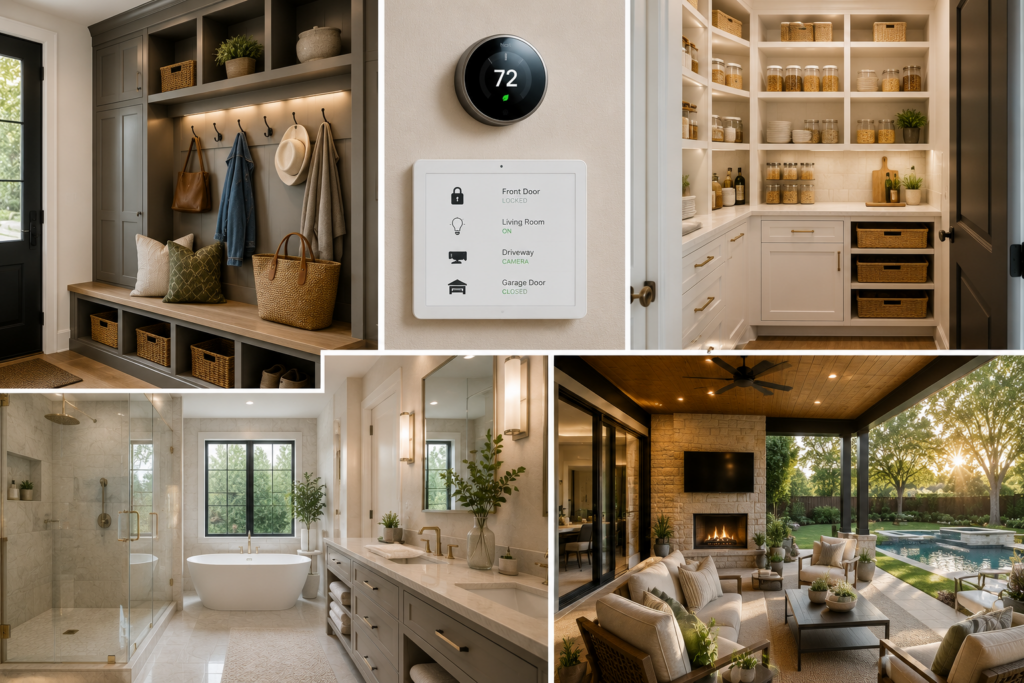
Here are seven of the most requested features in Dallas homes right now, and how savvy sellers are using them to stand out.

1. Covered Outdoor Living Spaces

Outdoor living remains one of the most desirable features in North Texas.

Covered patios, outdoor kitchens, fireplaces, and shaded seating areas continue to attract attention from buyers who want their home to feel larger than its interior square footage.

Seller Tip: Before listing, clean outdoor spaces thoroughly, pressure wash surfaces, and stage patios as functional living areas rather than empty concrete slabs.

2. Energy-Efficient Features

High-performance windows, upgraded insulation, smart thermostats, tankless water heaters, and modern HVAC systems continue to be major selling points.

With Texas summers growing hotter and utility costs remaining a concern, buyers are paying attention.

Seller Tip: If you’ve invested in energy-efficient upgrades, document them. Buyers can’t appreciate improvements they don’t know exist.

3. Flexible Spaces

Today’s buyers love options.

A spare bedroom that can function as a home office, gym, guest room, or hobby space often feels more valuable than a room with a single purpose.

Seller Tip: Stage flex spaces intentionally. Help buyers understand how the room can improve their lifestyle.

4. Smart Home Technology

Smart locks, security systems, lighting controls, thermostats, and integrated home technology have become increasingly common expectations.

These upgrades may seem small, but they create an impression that the home is current and well maintained.

Seller Tip: Make sure all smart devices are functioning properly and provide buyers with a simple list of installed technology.

5. Kitchens That Work

The kitchen remains one of the most important rooms in any home.

Buyers continue to gravitate toward large islands, ample storage, walk-in pantries, quality appliances, and layouts that support everyday living.

Seller Tip: A deep cleaning, fresh hardware, updated lighting, and decluttering can often deliver more value than an expensive remodel.

6. Spa-Inspired Primary Bathrooms

Buyers are increasingly drawn to primary suites that feel calm and relaxing.

Large showers, double vanities, good lighting, and clean finishes continue to influence purchasing decisions.

Seller Tip: Focus on presentation. Fresh towels, spotless glass, bright lighting, and minimal clutter can dramatically improve first impressions.

7. Organization and Storage

It may not be glamorous, but storage sells.

Mudrooms, drop zones, built-ins, organized closets, and practical storage solutions consistently rank among the features buyers appreciate most.

Seller Tip: Before listing, remove at least twenty-five percent of the contents from closets and storage areas. Spacious storage feels more valuable than packed storage.

What Sellers Should Take Away

The biggest trend I’m seeing in Dallas isn’t bigger homes.

It’s better-functioning homes.

The sellers achieving the strongest results are not necessarily the ones spending the most money before listing. They’re the ones who understand what buyers value and make those features impossible to miss.

Sometimes the difference between a good listing and a great listing isn’t a renovation.

It’s knowing what buyers are already looking for and presenting your home accordingly.

Why So Many Dallas Homes Need a Price Reduction

Why So Many Dallas Homes Need a Price Reduction

Every month, I review market reports, closed sales, and listing activity throughout Dallas. And every month, I find myself asking the same question:

Why are so many homes requiring price reductions before they sell?

The answer is usually not what people think.

Most sellers assume a price reduction means the market changed.

Sometimes that’s true.

Most of the time, it isn’t.

More often, the home was simply priced incorrectly from the beginning.

The Problem Starts Before the Sign Goes in the Yard

One of the most important meetings in the entire selling process happens before a property ever reaches the market.

It’s the pricing conversation.

This is where expectations meet reality.

Unfortunately, reality is not always welcome.

Every seller wants to maximize the value of their home. They should. For most people, it’s their largest financial asset.

But market value is not determined by what a seller hopes to receive.

Market value is determined by what a ready, willing, and able buyer is willing to pay, and what a ready, willing, and able seller is willing to accept.

That distinction matters.

Not Every House Down the Street Is a Comparable Sale

One of the most common mistakes I see is homeowners comparing their property to the highest sale they can find in the neighborhood.

I understand why.

If a nearby home sold for $700,000, it’s natural to wonder whether yours should sell for the same amount.

But let’s look a little deeper.

If that home has 1,000 additional square feet, a brand-new kitchen, updated bathrooms, new flooring, a new roof, and a backyard renovation that cost tens of thousands of dollars, is it really comparable?

Or is it simply a nearby house that sold?

Those are two very different things.

A comparable sale isn’t just a house in the same neighborhood.

It’s a house that buyers would reasonably compare to yours when making a purchasing decision.

Active Listings Are Asking Questions

This is another area where sellers get into trouble.

Many people look at homes currently for sale and assume that’s what their home is worth.

The problem is that active listings haven’t sold.

They’re not evidence of value.

They’re evidence of what someone hopes to get.

In real estate, sold properties establish value.

Active listings are asking questions.

Closed sales are the answers.

That’s why professional pricing begins with sold comparable properties, not wishful thinking and not aspirational asking prices.

The Most Expensive Phrase in Real Estate

There is a phrase I hear far too often:

“Let’s try it and see what happens.”

On the surface, it sounds harmless.

In reality, it can be incredibly expensive.

When a home first hits the market, it receives the greatest amount of attention it will ever receive.

Buyers notice.

Agents notice.

Online traffic spikes.

Showing activity is highest.

The first few weeks are often the most important weeks of the entire listing.

When a property is overpriced, that opportunity can be wasted.

Showings slow.

Buyers move on.

Days on market accumulate.

Eventually, the price gets reduced to where it should have been in the first place.

Only now, the property has lost momentum.

Sometimes the Hard Conversation Is the Most Valuable One

One of the hardest parts of my job is telling someone something they don’t want to hear.

But that’s also one of the most important parts of my job.

A REALTOR® should not be hired to validate a number.

A REALTOR® should be hired to interpret the market.

Sometimes that means confirming a seller’s expectations.

Sometimes it means challenging them.

The goal is not to win a pricing argument.

The goal is to get the property sold for the highest price the market will realistically support.

Those are not always the same thing.

The Bottom Line

Price reductions are not always a sign of a weak market.

More often, they’re a sign that the market has spoken.

The question is whether we’re willing to listen before the listing goes live or after several months of frustration.

The best pricing strategy isn’t the highest number someone can justify.

It’s the number that attracts the right buyers, creates competition, and allows the market to do what it does best.

Because in the end, the market doesn’t care what we want.

It only cares what buyers are willing to pay.

The Old “Buyer” Playbook Isn’t the Only Playbook Anymore

The Old “Buyer” Playbook Isn’t the Only Playbook Anymore

For many people, buying a home feels like something they should have already done.

Maybe they assumed they would buy after getting married.

Maybe they thought they would buy younger.

Maybe they imagined buying with a spouse, two children, a golden retriever, and a white picket fence.

Then life happened.

Careers took unexpected turns. Relationships changed. Priorities shifted. Some people stayed single longer than expected. Others found themselves buying later in life. Some are purchasing alone for the very first time.

And because the traditional image of homeownership has been repeated for generations, many buyers quietly wonder if they somehow missed the right moment.

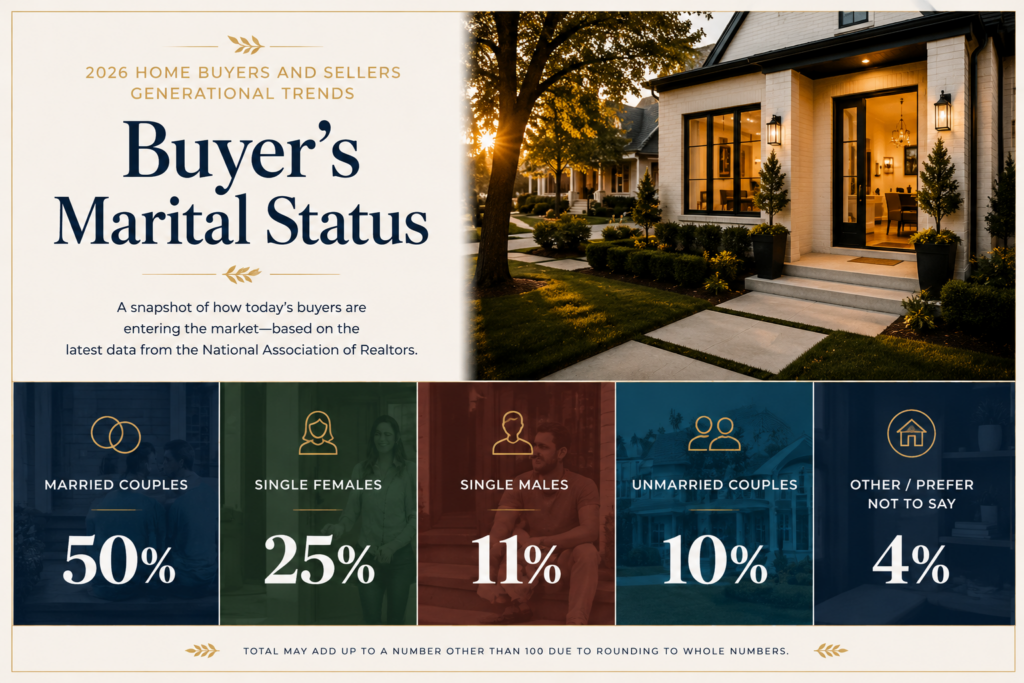
The latest data from the National Association of Realtors tells a very different story.

The reality is that today’s homebuyer looks nothing like the homebuyer of twenty or thirty years ago.

The market is far more diverse than many people realize.

Married couples still represent the largest group of buyers, but they account for only half of the market. The other half consists of single women, single men, unmarried couples, and buyers whose circumstances do not fit neatly into traditional categories.

That means millions of Americans are purchasing homes outside the “expected” path.

Not because they failed.

Because life is different.

And because the definition of homeownership has evolved.

One of the most rewarding parts of working in real estate is seeing firsthand how different buyers arrive at the same destination.

Some are buying their first home.

Some are downsizing.

Some are purchasing after a major life change.

Some are buying alone for the first time.

Others are purchasing later in life than they ever imagined.

The common thread isn’t age, income, or marital status.

The common thread is that each buyer reached a point where homeownership became the right solution for their life.

That’s an important distinction.

Too many people compare their personal timeline to someone else’s.

Too many buyers believe there is one correct age, one correct income level, one correct relationship status, or one correct life stage to purchase a home.

There isn’t.

What matters today is less about who you are and more about what you need.

A stable place to live.

A sense of control over your future.

More room.

Less maintenance.

A shorter commute.

A better school district.

A place to build equity instead of paying rent.

The motivations may be different, but the goal is often the same.

When you look beyond marital status and demographics, something interesting happens.

Buyers begin prioritizing many of the same things.

Comfort.

Security.

Lifestyle.

Financial stability.

Community.

A place that feels like home.

The old playbook suggested that homeownership followed a single predictable path.

The new reality is much more flexible.

And honestly, much more encouraging.

The takeaway from all of this is simple.

If you’ve been waiting because your life doesn’t look exactly the way you thought it would, you may be comparing yourself to a version of the market that no longer exists.

There has never been one right way to become a homeowner.

There has never been one correct timeline.

And there has never been one type of buyer.

The people purchasing homes today come from every stage of life imaginable.

The question is no longer whether your story matches someone else’s.

The question is whether homeownership solves a problem, creates an opportunity, or improves your life today.

Because when it does, that’s usually the right time to start looking.

7 Characteristics of Dallas Renters Who Tend to Have Better Outcomes

7 Characteristics of Dallas Renters Who Tend to Have Better Outcomes

A funny thing is happening in the Dallas rental market right now. People still think leasing is the wild west of a few years ago, when homes and apartments disappeared within hours and tenants felt like they were competing in the Olympics just to get a callback.

The reality today is more nuanced, and for prepared renters, that’s good news.

Across Oak Lawn, Uptown, Highland Park, University Park, Bluffview, Devonshire, and surrounding Dallas neighborhoods, opportunities are showing up for tenants who know how to position themselves before they ever hit “schedule showing.”

The truth is, tenants who walk in prepared are getting rewarded more than ever.

They already know their numbers

Many successful renters know their credit range, income situation, timing, and budget before they begin touring properties.

Owners and listing agents love certainty. When questions already have answers, things move fast.

They know what they want, but they’re flexible where it counts

Prepared renters often know their priorities.

Maybe a walkable neighborhood matters. Maybe they want a loft downtown, a modern Uptown apartment, or a townhome in Devonshire.

But they also understand the difference between must-haves and nice-to-haves.

That flexibility opens doors.

They move quickly

This does not mean rushing into a decision.

It means understanding that when the right property appears, hesitation can sometimes become disappointment.

The people who win usually are not frantic. They’re decisive.

They have documents ready

Pay stubs, IDs, pet information, employment details, and supporting documentation ready to go.

Not glamorous, but incredibly effective.

The easier you make the process, the easier the process becomes.

They understand the personality of different properties

An Uptown high-rise often behaves differently than a historic downtown loft.

A condo owner in Oak Lawn may evaluate applicants differently than a large apartment community.

Every property has a personality.

Knowing that matters.

They stay realistic

Instagram has convinced everyone they should expect penthouse views, luxury finishes, rooftop pools, and enough closet space for a celebrity wardrobe while paying the price of a studio apartment.

Sometimes expectations simply need a small adjustment.

That adjustment often leads people to surprisingly great discoveries.

They have someone helping guide the process

One of my favorite moments in real estate is seeing someone get the news they wanted.

You’ve been approved.

You got the place.

You’re moving forward.

Because at the end of the day, people are not really looking for square footage.

They’re looking for that feeling.

The feeling that the next chapter is beginning in a new space they will call home.

And right now, Dallas is rewarding prepared renters more than ever.

Dallas Renters Are Moving Quickly, But Only for the Right Properties

Dallas Renters Are Moving Quickly, But Only for the Right Properties

There’s a strange disconnect happening in the Dallas leasing market right now.

Some people believe the market has slowed down dramatically because they’re seeing price reductions, concessions, and lease listings sitting online longer than they used to. And yes, compared to the frenzy of 2021 and early 2022, things have normalized. But normalization and weakness are not the same thing.

Because here’s what I’m seeing in the real world, not from behind a spreadsheet, but inside actual homes with actual clients:

The right lease properties are moving extremely fast.

Not “eventually.”
Not “after a few weeks.”
Fast.

I showed a home recently that perfectly illustrates what’s happening right now. We opened the front door, and within seconds everyone in the group had the exact same reaction:

“Oh, this is nice.”

The lighting was warm.
The house smelled clean.
The landscaping was intentional.
The presentation felt calm, elevated, and move-in ready.

Nothing screamed for attention, but everything quietly worked together.

That emotional reaction matters more than many owners and agents realize.

Because renters today are not just comparing square footage and price. They are comparing feeling. And when a property feels right, especially online first and then in person, the decision happens quickly.

That is the divide in today’s leasing market.

Well-priced, clean, professionally presented properties are being absorbed rapidly.

Homes with poor photography, deferred maintenance, clutter, strange odors, dark rooms, or pricing disconnected from reality are sitting. And if a lease property is sitting for more than two or three weeks right now, that is usually not “bad luck.” That is market feedback.

Feedback about price.
Feedback about condition.
Feedback about presentation.
Feedback about strategy.

Dallas leasing activity remains incredibly strong overall, even as the market becomes more selective. Across DFW, elevated supply has created more options for tenants, but demand for desirable homes remains very healthy. Many analysts note that while rents have softened in some areas due to new inventory, properties that are move-in ready and positioned correctly are still leasing quickly.

And honestly, I think this is healthier.

The market is rewarding effort again, it always does.

Owners who prepare thoughtfully, price intelligently, and market professionally are winning. The homes that feel cared for are creating urgency. The homes that feel overlooked are getting overlooked.

That’s especially true in Dallas neighborhoods where lifestyle matters as much as the house itself. Areas like Oak Lawn, Uptown, Knox Henderson, Lower Greenville, and parts of East Dallas continue attracting renters who are willing to move quickly when they find something that feels special.

Another thing happening right now is that renters are becoming more emotionally decisive.

People are tired.
They are busy.
Many are relocating for work, relationship changes, lifestyle upgrades, or simply wanting a different daily experience. When they walk into a home that immediately lowers their stress level and feels like somewhere they can exhale, hesitation disappears.

That is why presentation has become more important, not less.

Professional photography matters.
Lighting matters.
Landscaping matters.
Cleanliness matters.
The tone of the marketing matters.
Even the first five seconds of the showing matter.

The leasing market in Dallas is still moving. In many cases, it’s moving very quickly.

But today’s renters are choosing carefully, and the properties that rise to the top are the ones that make an emotional connection immediately.

That is the market we are in now.

And honestly, I think the professionals who understand that are going to do exceptionally well.

Pre-Listing Prep If You’re Planning to Sell This Year

Pre-Listing Prep If You’re Planning to Sell This Year

The goal isn’t perfection. It’s helping buyers emotionally connect with the home the moment they walk through the door. Thoughtful preparation almost always leads to stronger photography, better showings, and ultimately better offers.

Thinking about selling this year? I’m always happy to walk through a home and discuss where preparation matters most, and where you can save your money.

Dallas Buyers Are Gaining Leverage Right Now – Here’s What That Actually Means

Dallas Buyers Are Gaining Leverage Right Now – Here’s What That Actually Means

Right now, the Dallas market is showing signs of a subtle but meaningful shift. We’re not in a downturn, but we are seeing more balance, and that changes how both buyers and sellers need to approach the market.

Inventory has increased slightly, days on market are stretching in certain segments, and buyers are taking more time before making decisions. That alone creates a different dynamic than what we’ve seen over the past couple of years.

For buyers, this means more negotiating power, more time to evaluate options, and less pressure to make rushed decisions. The urgency hasn’t disappeared, but the playing field is more forgiving than it was.

For sellers, it means pricing and presentation matter more than ever. The homes that are positioned correctly are still moving. The ones that aren’t are sitting, sometimes longer than expected.

If you’re buying, this is a moment to be strategic instead of reactive. The opportunity isn’t just in having more options, it’s in knowing how to evaluate them and when to act.

If you’re selling, this is where professional positioning makes the difference between activity and silence. The right strategy doesn’t just attract attention, it creates momentum.

The market is always changing. The advantage goes to the people who understand how to move with it.

If you’d like a quick look at how this applies to your specific situation, reach out. I’ll walk you through it.