
The Investor Trap in a Buyer’s Market
A Fireplace, a Vision, and a Condo in Dallas
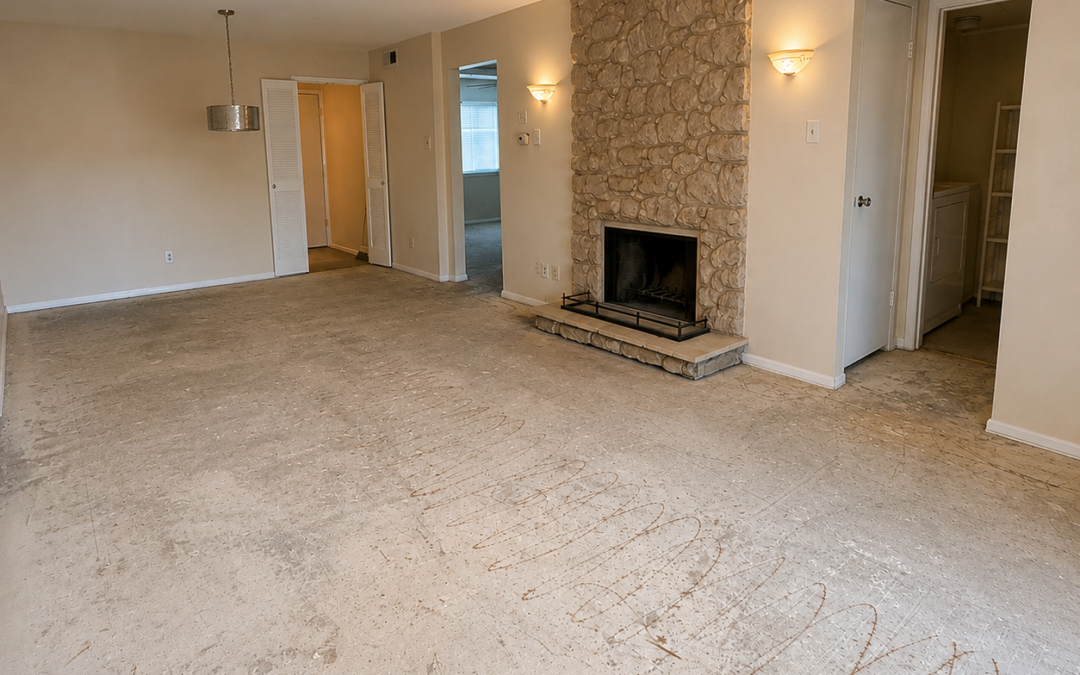
A few weeks ago, one of my clients, Festus, purchased a two-bedroom, two-bath condominium in Dallas. The unit needed updating, but it had good bones, an unusually large laundry room, and plenty of potential.
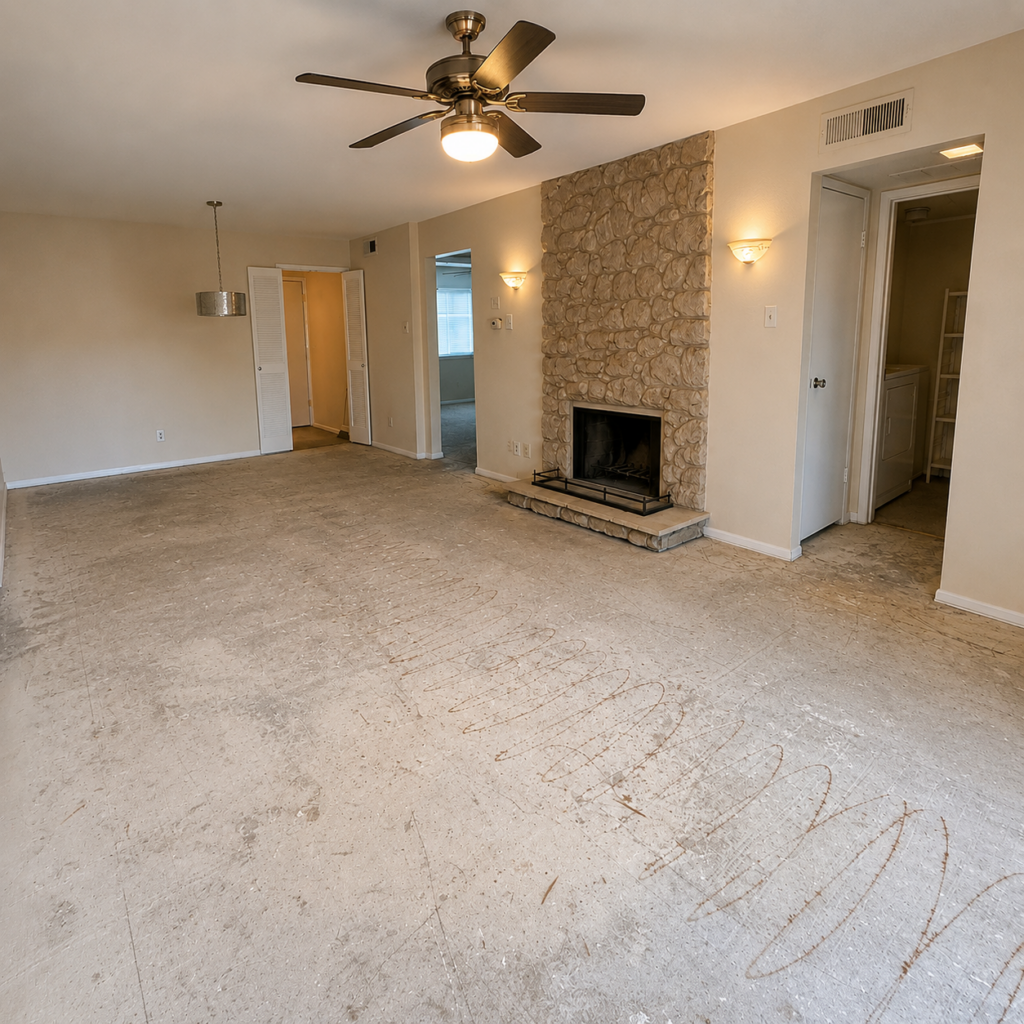
One of the first things to go was the oversized faux-stone fireplace that dominated the living room. Years ago, it may have been considered a feature. Today, it felt heavy and dated.
In its place, Festus is creating something entirely different, a sleek, dramatic marble fireplace that transforms the room and gives the property a much more modern feel.
The kitchen is being completely reimagined. The bathrooms are being updated. The entire property is being refreshed for today’s buyer.
It’s exciting.
And it highlights one of the biggest challenges investors face in today’s market.
We’ll come back to Festus in a minute.
Every Market Creates Its Own Temptations
In a hot market, the temptation is to overpay because you’re afraid of missing out.
In a slower market, the temptation is to assume every bargain is a good deal.
That’s where investors can get into trouble.
When people hear that inventory is rising and buyers have more negotiating power, they often assume it’s the perfect environment to buy distressed properties, renovate them, and sell them for a profit.
And sometimes it is.
The problem is that many investors only think about the first half of the transaction.
The Fun Part
Buying.
That’s the exciting part.
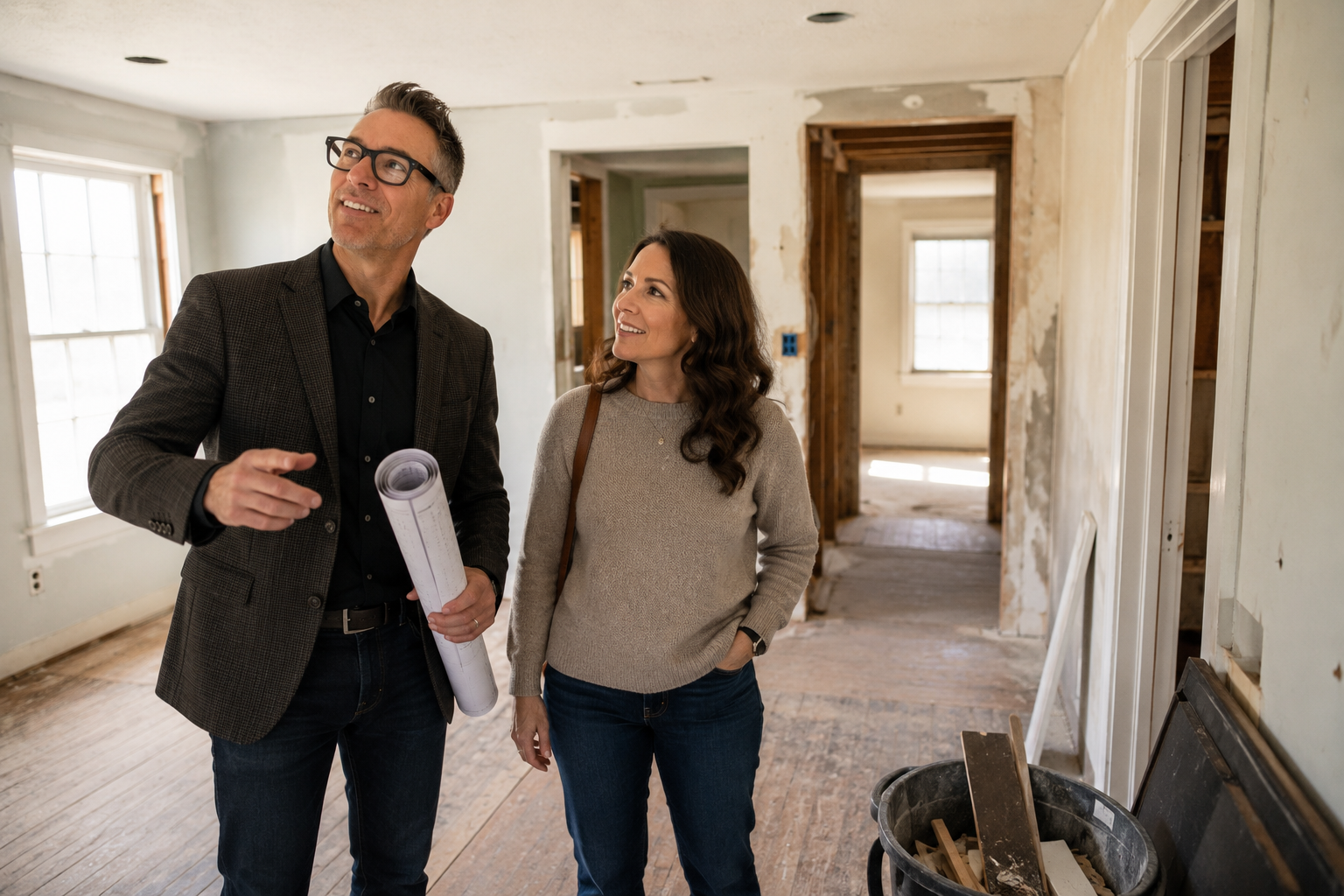
The investor walks through the house and starts imagining possibilities.
- Fresh paint.
- Updated kitchens.
- Modern lighting.
- New flooring.
- A higher resale price.
The numbers look fantastic.
On paper.
Then Reality Shows Up
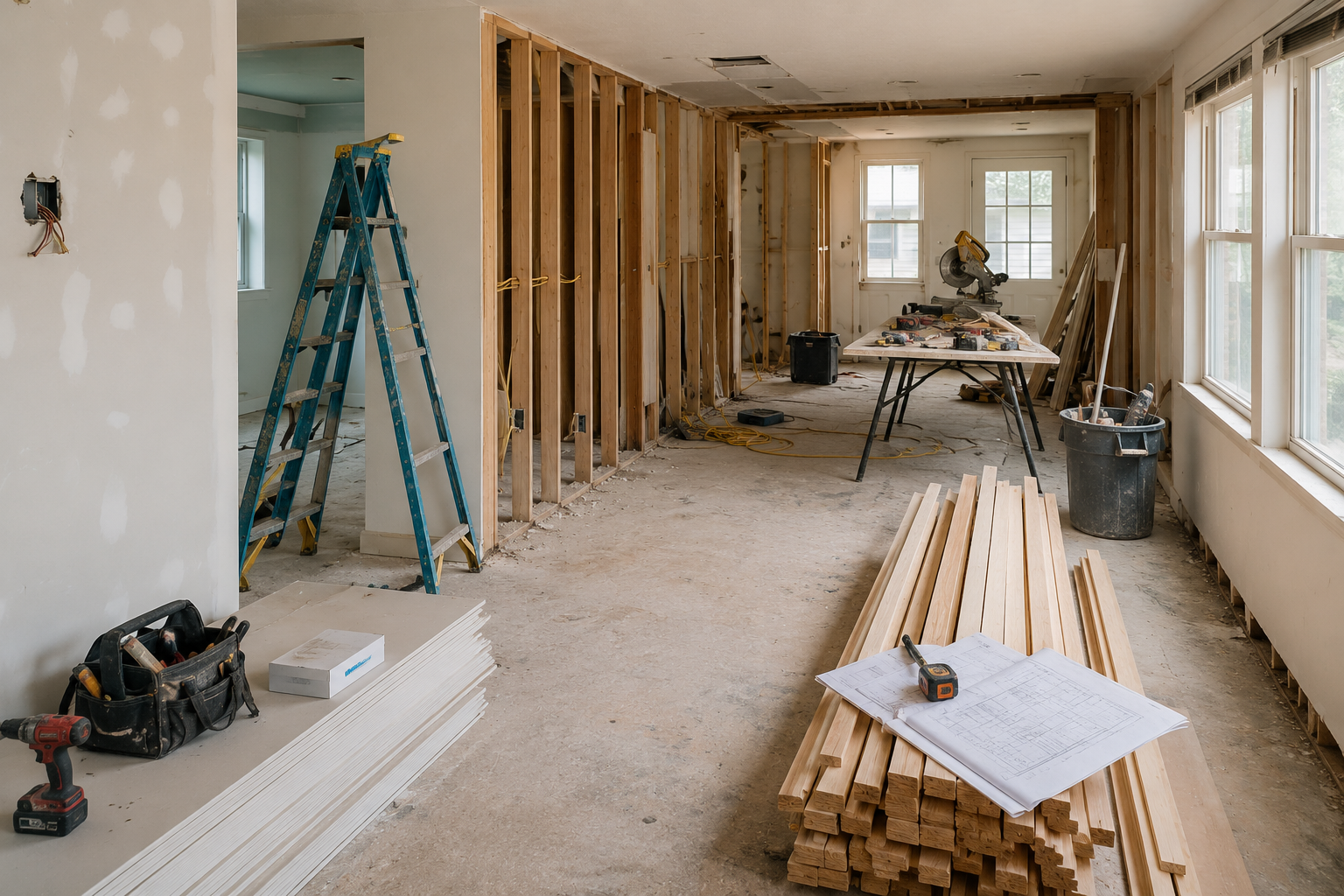
- Contractors cost more than expected.
- Materials cost more than expected.
- The renovation takes longer than expected.
- Unexpected issues appear behind walls.
- Permits take longer.
- Schedules slip.
And when the work is finally complete, the investor discovers something important.
They’re selling into the same market they bought in, a buyer’s market.
The buyers are still negotiating.
The buyers are still cautious.
The buyers still have options.
How Experienced Investors Think Differently
This is where experienced investors separate themselves from newer investors.
They don’t ask:
“What can I sell this property for?”
They ask:
“How wrong can I be and still make money?”
That’s a completely different mindset.
The most successful investors understand that profit isn’t created when the renovated property sells.
Profit is created when the property is purchased correctly in the first place.
The acquisition price has to absorb surprises.
It has to absorb delays.
It has to absorb unexpected expenses.
And it has to absorb the possibility that the resale price won’t be quite as strong as originally projected.
Why This Market Rewards Discipline
Buyers are still active.
Homes are still selling.
Well-priced properties continue to attract attention.
But buyers have become more selective. They have more choices than they did a few years ago, and that changes the math for everyone involved.
Ironically, that’s not bad news.
It’s healthy.
Markets work best when they reward discipline instead of speculation.
Investors who succeed in this environment won’t necessarily be the ones who spend the most money.
They’ll be the ones who buy wisely, renovate thoughtfully, and understand exactly who their future buyer will be.
Back to Festus
One of the reasons I enjoyed helping Festus acquire this property is that he bought well.
Long before the first cabinet was removed, the first bathroom was updated, or that dated fireplace was transformed into a striking marble centerpiece, the numbers made sense.
That’s where successful investing begins.
Now comes the fun part.
The renovation is taking shape. The vision is becoming reality. I'm excited to see how buyers respond when the property returns to the market.
I’ll be sharing before-and-after photos, following the progress, and tracking the project’s journey all the way through closing.
In many ways, it’s a real-world case study of exactly what we’re discussing here.
Because in a buyer’s market, finding the deal is only half the job.
The other half is making sure the numbers still work when the excitement wears off.
How will the market responds to Festus’ vision for this property? I think overwhelmingly positive; I have a feeling this won’t be the last time you hear about that fireplace.