









Everyday Habits That May Be Shortening the Life of Your Mattress

Everyday Habits That May Be Shortening the Life of Your Mattress

A good mattress is one of the biggest investments you’ll make for your home. It affects how well you sleep, how you feel each morning, and ultimately how long you’ll go before spending another thousand dollars on a replacement.

The good news is that extending the life of your mattress usually doesn’t require expensive maintenance. In fact, it’s the small, everyday habits that make the biggest difference. Here are eight simple ways to help your mattress stay comfortable and supportive for years to come.


Stop Skipping the Mattress Protector

If you only make one change after reading this article, make it this one.

Body oils, perspiration, spills, pet accidents, and everyday dust slowly work their way into a mattress. Once they’re inside, they’re nearly impossible to remove.

A quality waterproof mattress protector acts like insurance for your bed. You won’t notice it’s there, but it’ll protect against stains, allergens, and moisture while helping your mattress stay fresh much longer.

Registry Pick: A waterproof, breathable mattress protector is one of the smartest purchases you can make for your bedroom. It’s inexpensive, easy to wash, and could add years to the life of your mattress.


Rotate Your Mattress Before It Starts Sagging

Many people assume modern mattresses never need maintenance.

While most shouldn’t be flipped, many manufacturers still recommend rotating them every three to six months. Doing so helps distribute body weight more evenly and prevents permanent impressions from forming where you sleep every night.

If rotating a king-size mattress sounds like a workout, you’re not alone.

Registry Pick: Mattress lifting wedges make rotating a heavy mattress surprisingly easy. They’re inexpensive and save your back in the process.


Don’t Let Dirt Build Up

Fresh sheets don’t necessarily mean a clean mattress.

Every night your mattress collects dust, dead skin cells, pet hair, and allergens. Vacuuming the surface every few months keeps those materials from building up deep inside the fabric.

If your mattress has developed a slight odor, sprinkle a light layer of baking soda over the surface, let it sit for about an hour, then vacuum it away.

Registry Picks:

Upholstery vacuum attachment

Large bag of baking soda

Together they make mattress cleaning a fifteen-minute project.


Think Twice Before Eating in Bed

We’ve all done it.

Coffee on a Sunday morning or a late-night snack while watching television doesn’t seem like a big deal until something spills.

Liquids can soak deep into the mattress, while crumbs attract insects and create lingering odors. It’s one of the easiest ways to shorten the life of an otherwise perfectly good mattress.

Sometimes the simplest solution is also the best one.

Take breakfast to the kitchen.


Your Pets May Love the Bed Too Much

If your dog or cat sleeps in exactly the same spot every night, they’re placing consistent pressure on one section of the mattress.

There’s also dirt, pollen, moisture, and shedding to consider.

No one is suggesting banishing your pets from the bedroom, but protecting your mattress becomes even more important if they’re sharing it with you.

Registry Pick: A waterproof mattress protector becomes even more valuable in homes with pets. It’s far easier to wash a protector than replace an entire mattress.


Don’t Wear Out the Same Edge

Many of us sit in exactly the same place every morning while putting on shoes or checking our phones.

Over time, repeatedly compressing the same edge can weaken the internal support and leave that area feeling softer than the rest of the mattress.

Simply changing where you sit every few days helps distribute the wear more evenly.

Sometimes it’s the smallest habits that make the biggest difference.


Make Sure Your Mattress Has Proper Support

Even the best mattress can’t perform well if it’s sitting on an old, worn-out foundation.

An aging box spring or an incompatible bed frame can cause sagging, uneven support, and premature wear.

If you’re investing in a premium mattress, it’s worth confirming that your frame meets the manufacturer’s recommendations.

Registry Pick: If your bed frame is showing its age, consider upgrading to a sturdy platform foundation designed to properly support today’s hybrid and memory foam mattresses.


Keep Your Sheets Tight

Loose fitted sheets bunch up, wrinkle, and slide around, increasing friction on both your bedding and mattress protector.

It’s a small annoyance, but one that’s easy to solve.

Registry Pick: Bed sheet fasteners keep fitted sheets securely in place and eliminate the constant need to re-tuck the corners.


A Little Maintenance Goes a Long Way

Most quality mattresses are designed to last seven to ten years, sometimes even longer with proper care.

Protect it with a mattress protector. Rotate it a few times each year. Vacuum it occasionally. Keep food and drinks off the bed whenever possible.

None of those tasks take much time, but together they can save you from replacing an expensive mattress years sooner than necessary.


🛏️

The Dallas Registry Home Picks

If you’re looking to protect your investment, these are the products we’d recommend first:

As an Amazon Associate, The Dallas REGISTRY may earn a small commission from qualifying purchases. There is never any additional cost to you.


Where is your third place?

Where is your third place?

Home is your first place. Work is your second. But somewhere in Dallas is another place that quietly becomes part of your life.

Everyone has one.

You may not have a name for it, but you almost certainly have a third place.

It’s where life happens between home and work.

Maybe it’s Saturday morning at Shug’s Bagels.

Maybe it’s your usual stool at The Old Monk.

Maybe it’s dinner on the patio at Parigi.

Maybe it’s your morning walk along the Katy Trail, watching the city wake up.

Maybe it’s a quiet afternoon at the Dallas Arboretum and Botanical Garden.

Maybe it’s the dog park, where your Labrador, Ridgeback, or Golden Retriever somehow has more friends than you do.

Whatever it is, it’s probably become woven into the tapestry of your life.

We Don’t Fall in Love With Addresses

As a REALTOR®, people often assume my job is helping clients find houses.

That’s only part of it.

The better part is helping people build a life.

A home is important.

But so is the coffee shop where they know your order.

The bartender who greets you by name.

The trainer waiting for you at your neighborhood gym.

The Sunday morning congregation that notices when you’re missing.

The bookstore where you always seem to leave with one more title than you intended to buy.

Those places don’t appear on an MLS listing.

Yet they often become some of the most meaningful parts of living in a neighborhood.

The Neighborhood Rituals That Shape Us

The happiest people I know usually have routines.

Not because they’re boring.

Because they’re grounding.

Thursday happy hour.

Saturday morning bagels.

Sunday worship.

An evening walk.

Coffee with an old friend.

Throwing a tennis ball until your dog refuses to chase it one more time.

Those rituals quietly become part of who we are.

They’re why two people can live on the same street and have completely different experiences of the same neighborhood.

Dallas Is Full of Third Places

One of my favorite things about Dallas is that every neighborhood seems to have its own collection of places where life naturally gathers.

Oak Lawn.

Uptown.

Turtle Creek.

Knox Henderson.

East Dallas.

Bishop Arts.

Each has its own rhythm.

Its own regulars.

Its own traditions.

Over the coming months, I’d like to introduce you to some of those places and, even more importantly, the people who make them special.

Not because they’re trendy.

Not because they’re expensive.

But because they’re where community quietly happens.

So…

What’s your third place?

I’d genuinely love to know.

Maybe it’s Shug’s Bagels.

Maybe it’s The Old Monk.

Maybe it’s the Katy Trail.

Maybe it’s a neighborhood dog park where your best conversations happen while your dog insists on making new friends.

Tell me where it is.

Tell me why it matters.

Click Here to join our >>> NEW <<< Facebrook group and tell us WHERE IS YOUR THIRD PLACE!

The Most Valuable Luxury in Dallas Isn’t What You Think

The Most Valuable Luxury in Dallas Isn’t What You Think

Ask someone to describe a luxury home in Dallas and you’ll probably hear the same answers.

Marble countertops.

Resort-style pools.

Wine rooms.

Three-car garages.

Walk-in closets the size of apartments.

Those things are certainly nice.

But they’re not the most valuable luxury in Dallas.

Not even close.

The Luxury We Chase

For decades, homeownership has often been framed as a simple equation: bigger is better.

More square footage.

More bedrooms.

More amenities.

More everything.

And for some people, that’s exactly the right choice.

But after years of helping buyers navigate the Dallas market, I’ve noticed something interesting.

The homes people talk about most fondly months after moving in are rarely the ones with the biggest closets or the tallest ceilings.

They’re the homes that make everyday life easier.

The Commute Nobody Calculates

A buyer may spend weeks comparing floor plans, granite selections, and school ratings.

What often gets overlooked is how much time a home gives back, or takes away.

A twenty-minute commute doesn’t sound very different from a forty-minute commute.

Until you realize that’s more than three hours every week.

More than thirteen hours every month.

More than six hundred hours every year.

That’s nearly four full weeks of your life spent sitting in traffic.

Suddenly, the house that looked like a bargain starts costing something much more valuable than money.

Convenience Is the New Luxury

The most valuable luxury in Dallas today isn’t necessarily found inside the home.

It’s found just outside the front door.

It’s being able to stop by your favorite coffee shop without planning an expedition.

It’s having dinner reservations five minutes away.

It’s being close enough to walk the dog without loading everyone into the car first.

It’s knowing your neighbors.

It’s recognizing familiar faces at the grocery store.

It’s feeling connected to the place you live instead of simply sleeping there.

Luxury has become less about showing people what you own and more about creating a life you enjoy living.

The Wealth of Time

Some of the happiest homeowners I know don’t own the largest homes.

They own homes that support the lives they want to live.

They spend less time commuting.

Less time driving.

Less time planning every errand.

More time with family.

More time with friends.

More time doing the things that actually matter.

That’s a luxury no countertop can provide.

What Buyers Are Really Looking For

Most buyers begin their search focused on the house.

Eventually, they realize they’re really searching for a lifestyle.

The house matters.

Of course it does.

But the house is only part of the equation.

The neighborhood.

The convenience.

The walkability.

The proximity to work, restaurants, parks, and everyday necessities.

Those things shape your life long after the excitement of moving day fades.

And that’s why the most valuable luxury in Dallas isn’t what most people think.

It’s not marble.

It’s not square footage.

It’s not a resort-style pool.

It’s time.

And besides good health, time may be the most luxurious thing of all.

Why Garages Matter More Than Granite

Why Garages Matter More Than Granite

If you’re a first-time buyer, I need you to promise me something.

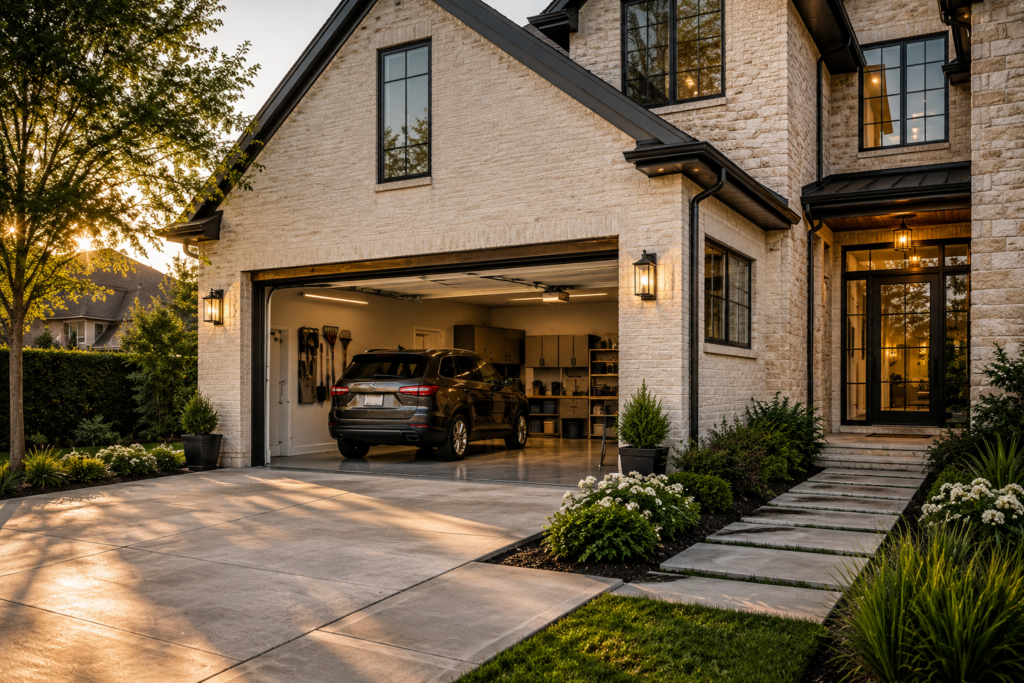
The next time you’re touring a home, spend at least as much time looking at the garage as you do looking at the kitchen.

I know.

That’s not nearly as exciting.

Granite countertops are beautiful. Quartz is beautiful. New appliances are beautiful. Under-cabinet lighting is beautiful.

Nobody has ever invited friends over and proudly announced, “Wait until you see my oversized two-car garage.”

I take that back, a couple of my friends have!

But after more than three decades in real estate, I’ve learned something interesting.

The features that get your attention during a showing are not always the features that improve your life the most after you move in.

And garages are one of the best examples.

When buyers walk into a home, they often spend fifteen minutes discussing the kitchen.

Then they spend about forty-five seconds looking at the garage.

Five years later, they’re using the garage every single day.

The granite?

They’re barely noticing it anymore.

A garage quietly earns its value over time.

You appreciate it when it’s raining and you’re carrying groceries into the house.

You appreciate it when it’s August in Texas and your steering wheel isn’t capable of branding cattle.

You appreciate it when your Amazon package isn’t sitting on the front porch.

You appreciate it when holiday decorations need a home.

You appreciate it when you buy something from Costco that seemed like a good idea at the time and now requires its own zip code.

Suddenly, that garage doesn’t seem so boring.

And not all garages are created equal.

Some buyers love front-entry garages because they’re convenient and straightforward.

Others prefer rear-entry garages because they create a cleaner streetscape and often improve curb appeal.

Then there are tandem garages.

If you’ve never seen one, imagine parking one car directly behind another.

They can work beautifully for some households.

They can also become a daily negotiation if the person parked in front decides to sleep late.

Tandem garages are a little like bunk beds.

They’re fantastic until somebody needs something.

The larger point is this:

Experienced homeowners tend to evaluate homes differently than first-time buyers.

They still notice the beautiful kitchen.

They still appreciate updated finishes.

But they’ve learned to pay attention to the features that affect daily life.

Storage.

Closets.

Pantries.

Laundry rooms.

Parking.

Garages.

The practical things.

Because those are the features you’ll still be appreciating long after the excitement of new countertops wears off.

This doesn’t mean granite doesn’t matter.

Of course it does.

A beautiful kitchen adds enjoyment, functionality, and value.

The smartest buyers simply learn to evaluate both.

Granite may get your attention.

The garage may improve your life.

And when you’re searching for your next home, it’s worth remembering that the features that photograph best aren’t always the features that serve you best.

7 Reasons So Many Renters End Up Staying in Dallas Longer Than Planned

7 Reasons So Many Renters End Up Staying in Dallas Longer Than Planned

A funny thing happens to a lot of people who move to Dallas.

They arrive thinking:
“I’ll probably stay a year or two.”

Then somehow five years pass.

Then eight.

Then one day they’re arguing with friends about the best patio in Uptown, walking Katy Trail every weekend, ordering the same coffee from the same neighborhood café, and quietly realizing they accidentally built an entire life here.

And honestly?
I understand it.

Because Dallas has a way of slowly becoming personal.

Not overnight.
Not in some loud, obvious way.

It happens through routines.
Neighborhoods.
Relationships.
Tiny moments that begin feeling familiar.

Especially for renters.

Here are seven reasons so many renters end up staying in Dallas much longer than they originally planned.

The Neighborhoods Start Feeling Like Home

At first, most people choose a neighborhood based on logistics:
close to work,
close to friends,
close to nightlife,
close to a freeway.

But eventually the neighborhood becomes emotional.

You begin recognizing the same dog walkers every morning.
The valet guys know your car.
You develop favorite walking routes.
You start measuring life in coffee shops, grocery stores, patios, and routines instead of intersections.

That shift changes everything.

Dallas Has Quiet Luxury Everywhere

One of the most underrated things about Dallas is how livable it feels once you settle into the right area.

And I’m not talking about flashy luxury.

I mean:
tree-lined streets,
beautiful townhomes,
great lighting,
walkable patios,
excellent grocery stores,
clean fitness studios,
wine bars,
friendly bartenders,
late dinners,
early coffee runs,
and a city that quietly makes everyday life feel elevated.

A lot of renters move here for opportunity.
They stay because life here becomes comfortable in a way they didn’t expect.

Katy Trail Changes People

I’m completely serious about this one.

There is something about Katy Trail that becomes part of people’s identity once they start using it regularly.

People meet there.
Exercise there.
Walk their dogs there.
Catch up with friends there.
Reset mentally there.

It creates a lifestyle rhythm that’s hard to replace once it becomes part of your week.

And for many renters living in Uptown, Knox, or Oak Lawn, the trail slowly becomes one of the emotional anchors of the city.

The Patio Culture Is Actually a Big Deal

This sounds shallow until you live here.

Then suddenly it matters a lot.

Dallas patio culture is one of the reasons people become emotionally attached to the city. Especially in the spring.

Long brunches.
Dinner outside.
Neighborhood restaurants buzzing with energy.
Walking somewhere instead of driving everywhere.
Seeing familiar faces around town.

Those moments create belonging.

And once people build social routines around places they love, moving away becomes much harder emotionally.

Renters Discover They Don’t Need a Backyard to Love Their Home

A lot of people moving from suburban environments assume they’ll miss having a large home or oversized yard.

Then they move into a beautiful Dallas condo, apartment, or townhome and realize:
they actually value lifestyle more than square footage.

Being able to walk somewhere.
Being close to energy.
Having a beautiful lock-and-leave residence.
Living near restaurants, trails, friends, and events.

That trade-off starts making more and more sense over time.

Dallas Is Full of Reinvention

This city is full of people building something.

Careers.
Businesses.
Relationships.
New chapters.

And because of that, Dallas has an unusually optimistic energy compared to many cities.

A surprising number of renters arrive here during transitional moments in life:
a new job,
a breakup,
a relocation,
a fresh start,
or simply wanting something different.

Then slowly, Dallas becomes tied to their personal growth story.

That emotional connection runs deep.

What Starts as Temporary Often Stops Feeling Temporary

Honestly, this may be the biggest reason of all.

People move here thinking they’re passing through.

Then one day they’re sitting barefoot in their condo on a spring evening, dog asleep nearby, dinner reservations later that night, favorite grocery store across the street, familiar neighborhood all around them, and they realize:

“This actually feels like home.”

That realization sneaks up on people.

And once it happens, leaving Dallas becomes a much harder decision than they ever expected.

Because the city stopped being a temporary stop a long time ago.

It became their life.

Why Some Streets Just Feel Different

Why Some Streets Just Feel Different

There are streets in Dallas that people remember long after they leave them.

Not because they were the most expensive.
Not because the houses were the largest.
And not because someone told them they were important.

They remember them because of how they felt.

The way morning light filters through the trees along Beverly Drive in Highland Park. The quiet confidence of Swiss Avenue beneath its canopy of mature oaks. The winding calm of Turtle Creek Boulevard just after sunrise, when the city still feels half asleep and the only movement comes from joggers, dog walkers, and the occasional coffee run. The hidden serenity of streets in Bluffview where the terrain shifts unexpectedly and homes feel tucked into nature instead of simply placed on lots.

Some streets simply feel different.

And the interesting thing is, most people recognize it immediately, even if they cannot fully explain why.

Part of it is architecture. Part of it is landscaping. Part of it is scale and proportion. But more than anything, it is intentionality. The best streets in Dallas feel curated over time rather than assembled all at once. Mature trees arch overhead. Lawns are edged carefully. Lighting is soft instead of theatrical. Homes sit comfortably within the landscape rather than competing against it.

Nothing is screaming for attention, and somehow that restraint becomes the luxury.

That feeling exists all over the city if you know where to look. In Devonshire, you’ll find streets where the trees almost create tunnels overhead and morning sunlight stretches across the pavement in long golden lines. In parts of Lakewood, front porches still feel connected to the neighborhood around them. Along Armstrong Parkway and the surrounding Highland Park streets, even simple walks somehow feel elevated.

And then there’s Turtle Creek.

Turtle Creek has always had a rhythm to it that feels separate from the rest of Dallas. The curves of the creek, the bridges, the parks, the layered landscaping, the old trees, the mixture of architecture, all of it creates an atmosphere that people don’t just admire, they emotionally attach themselves to. It’s one of the reasons so many people who move into Oak Lawn and Uptown slowly realize they never want to leave.

Because eventually, it stops feeling like a location.

It starts feeling like a lifestyle.

And that’s the thing about truly special neighborhoods. The luxury is rarely just the home itself. It’s the experience surrounding it. The quietness of a morning walk. The way the light hits the sidewalks. The comfort of mature landscaping. The subtle feeling that life might somehow function a little differently there.

More peaceful.
More grounded.
More intentional.

That emotional response matters more than people realize in real estate.

Buyers often think they’re choosing a house, but many times they’re actually choosing a feeling. A rhythm. A version of their future life that begins forming before they ever walk through the front door.

That’s why some streets just feel different.

And once you experience one, it’s very hard to forget.

The Understated Luxury of Intentional Landscaping

The Understated Luxury of Intentional Landscaping

One of the most overlooked forms of luxury in real estate has nothing to do with marble countertops, imported fixtures, or square footage.

It’s landscaping.

Not simply “having a yard,” but creating a thoughtful outdoor environment that quietly changes the way a home feels before you ever step inside. The best landscaping does not scream for attention. It guides you. Softens the architecture. Creates calm. Frames the arrival. It slows people down in the best possible way.
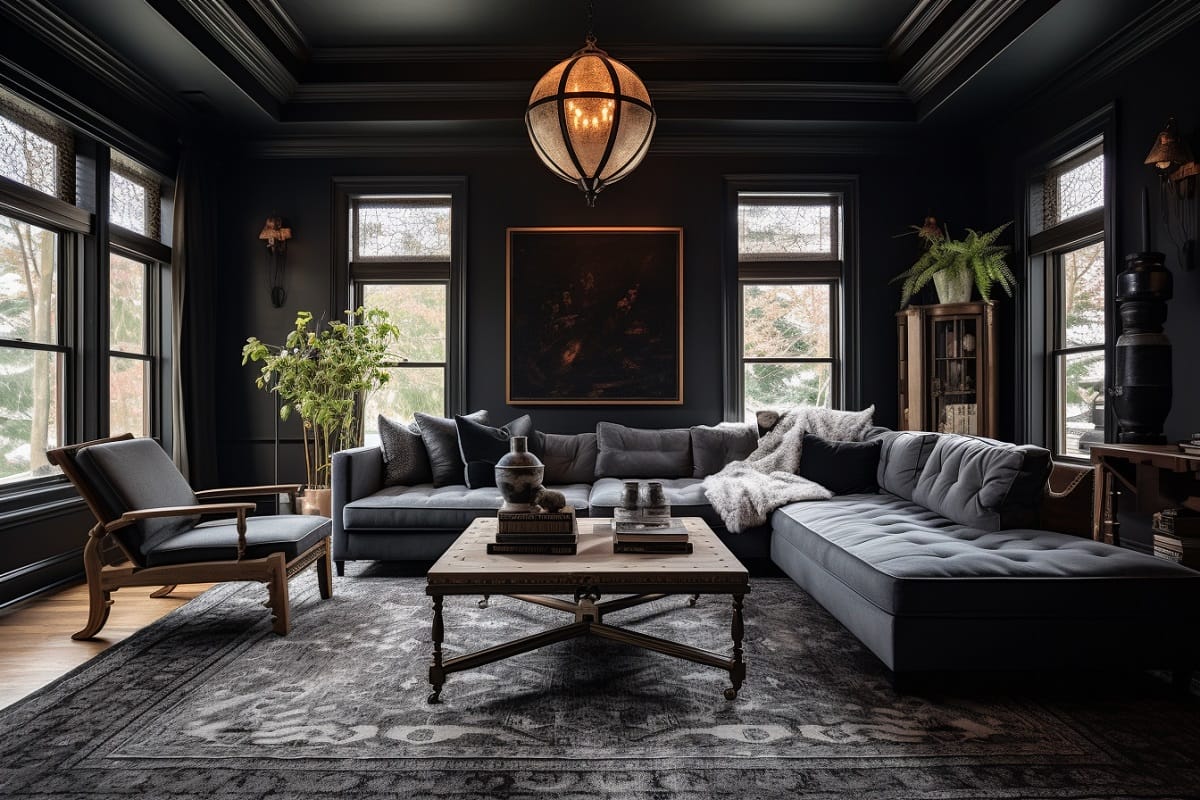
Some homes feel expensive the moment you pull into the driveway, even before seeing the interior. More often than not, intentional landscaping is part of the reason.

The layering of greenery, the symmetry of plantings, the softness around hard edges, the movement created by ornamental grasses, the subtle glow of landscape lighting at dusk, all of these details work together emotionally, even when buyers cannot immediately explain why the home feels so inviting.

And importantly, great landscaping is not always about excess.

In fact, some of the most sophisticated homes use restraint beautifully.

A perfectly maintained lawn, thoughtfully shaped hedges, architectural trees, natural stone pathways, and a few well-placed seasonal planters often create a stronger impression than an overly crowded garden trying to do too much at once. The goal is not decoration. The goal is atmosphere.

This becomes especially important when preparing a home for sale.

Buyers begin forming emotional opinions within seconds of arrival. Long before they evaluate floor plans or appliance packages, they are already subconsciously deciding how the property makes them feel. A welcoming exterior creates momentum for everything that follows inside.

And in neighborhoods throughout Dallas, especially in areas where architecture and lifestyle matter deeply, intentional landscaping has become part of the overall luxury experience.

It signals care.
It signals pride.
It signals that the home has been thoughtfully curated.

The best homes rarely feel accidental.

Even outdoors.

Rethinking Interior Paint Trends: Say Goodbye to White Doors and Trim

Rethinking Interior Paint Trends: Say Goodbye to White Doors and Trim

For decades, the formula for a beautifully finished room seemed almost nonnegotiable: white trim, white doors, and walls that carried all the color. It was safe, timeless, and nearly universal. But design trends have a way of evolving, and homeowners are beginning to embrace a richer, more immersive approach to color.

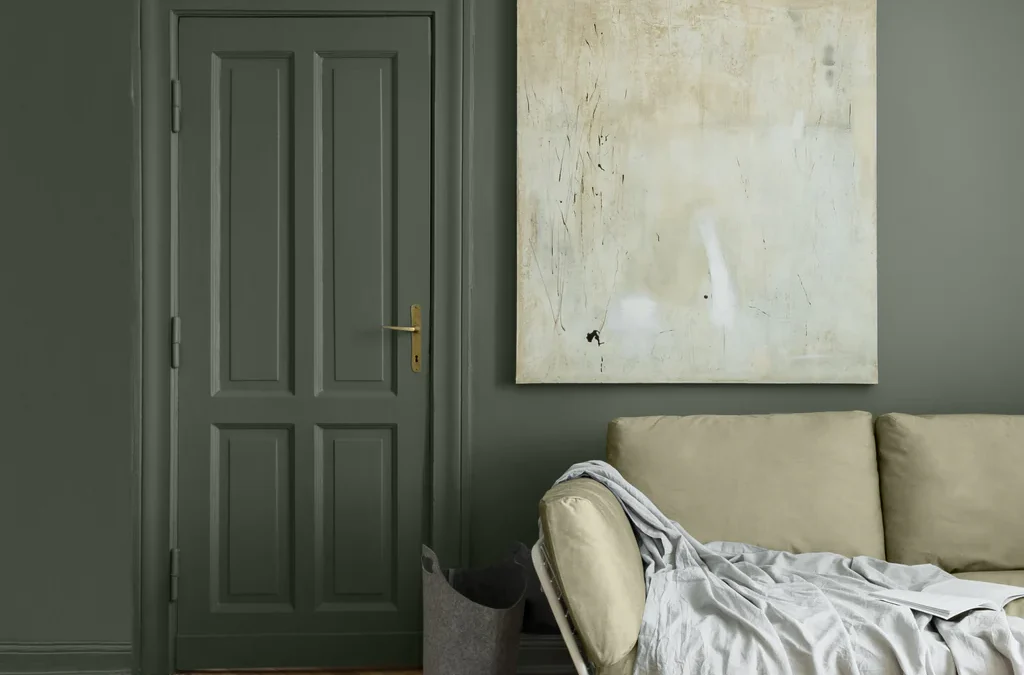
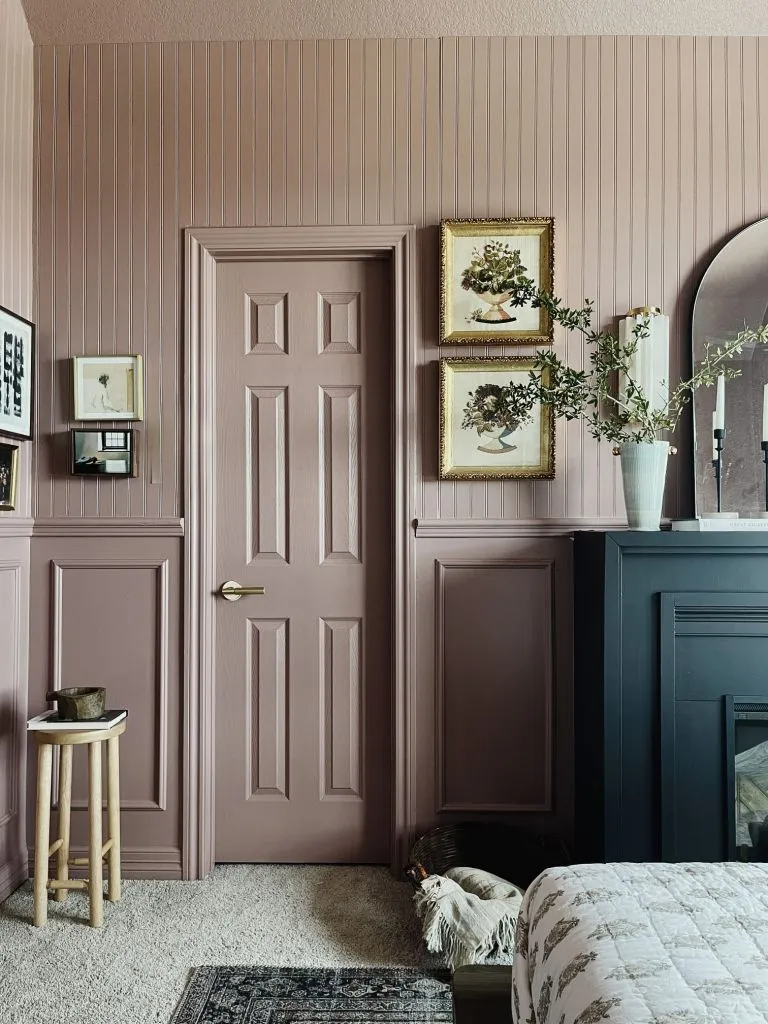
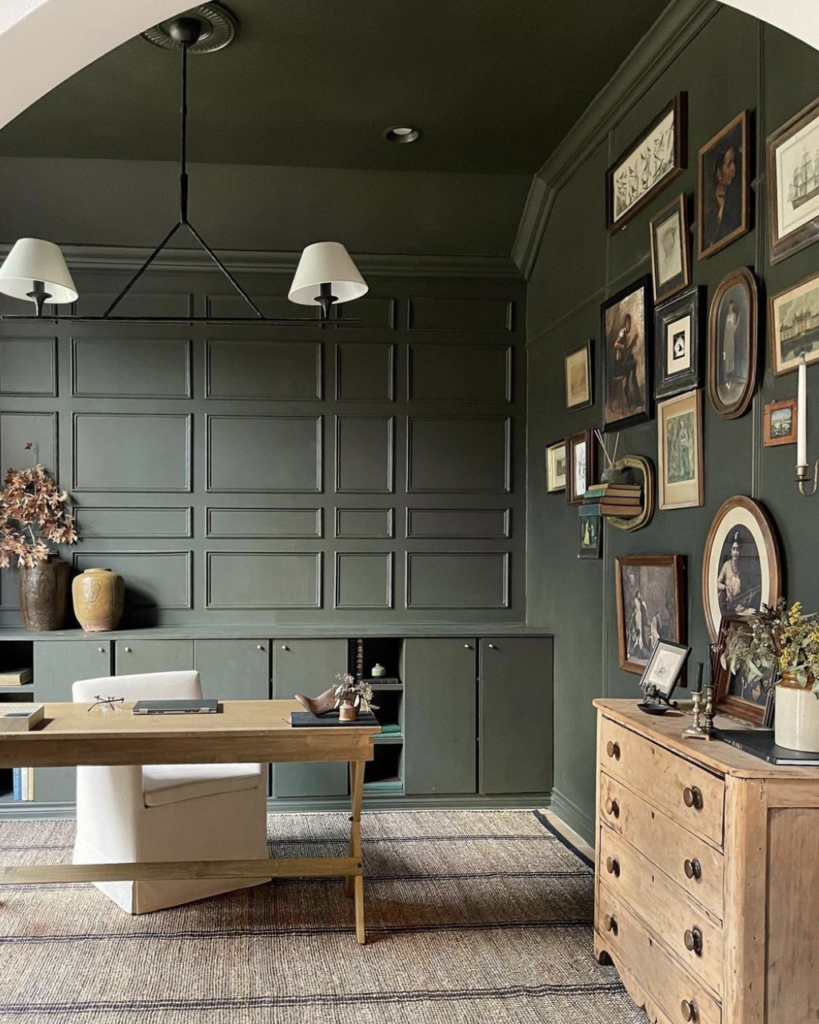
Enter color drenching, the growing design movement that treats doors, trim, moldings, and walls as one cohesive canvas. Instead of framing a room in bright white, designers are now wrapping entire spaces in a single hue, creating interiors that feel warmer, moodier, and unexpectedly sophisticated.

Color Drenching vs. Painting Doors and Trim

If you’re looking to bring more color and personality into your home, painting the walls alone may no longer be the most interesting option. One of the biggest trends in interior design right now is color drenching, the practice of painting an entire room, including walls, trim, doors, and even ceilings, in the same hue.

The effect can be surprisingly dramatic. Soft colors can make a room feel serene and airy, while darker shades create intimacy, warmth, and a sense of retreat. Rather than treating doors and trim as separate elements, this approach allows the entire space to feel intentional and cohesive.

Not ready to commit to an entirely monochromatic room? Painting just the doors and trim can deliver a similar sense of sophistication on a smaller scale. It’s a simple way to highlight architectural details and introduce color without completely changing the character of a space.

Why Is This Trend So Popular?

The idea of painted doors and trim isn’t new. In fact, some of history’s most admired homes embraced the concept long before it became trendy again. Today’s designers are rediscovering the beauty of creating visual continuity rather than relying on bright white trim to frame every room.

Part of the appeal is emotional. Our homes have become places where we want to feel calm, comfortable, and restored. By allowing the walls, doors, and millwork to blend together, a room feels less busy and more intentional. The eye moves more naturally through the space, creating an atmosphere that is both elegant and surprisingly timeless.

Perhaps that’s why this trend continues to gain momentum. Painted doors and trim offer something many homeowners are craving right now: warmth, character, and a home that feels thoughtfully designed rather than simply decorated.

How to Achieve This Look in Your Home

Before you reach for a paintbrush, remember that the details are what separate a room that feels intentional from one that simply feels painted. Proper preparation matters. Doors and trim take more wear and tear than walls, so taking the time to clean, sand, and prime the surfaces will pay off with a smoother, more durable finish.

Paint Both Sides of the Door

For the most cohesive look, consider painting both sides of the door, including the edges. The effect can be surprisingly elegant, especially in a fully color-drenched room. However, if the adjoining space still features traditional white trim, you may prefer to paint only the side facing the newly designed room. Think about how one space transitions into the next and let that guide your decision.

Don’t Forget the Trim

One of the reasons this trend works so beautifully is that it eliminates visual interruptions. Painting the trim, casings, and even the door edges to match creates a sense of continuity and allows the architecture of the room to speak for itself. The result feels rich, layered, and thoughtfully designed.

Choose the Right Finish

Color is only part of the equation. Sheen matters just as much. Many designers prefer using different finishes of the same color to create subtle contrast. A satin or semi-gloss finish on doors and trim, paired with eggshell or matte walls, adds depth without introducing another color.

And while the traditional rule has been glossy trim and softer walls, don’t be afraid to experiment. Sometimes a higher sheen across an entire room can create a dramatic, almost lacquered effect that feels both modern and timeless.

Is This Trend Right for You?

Trends come and go, but good design is ultimately personal. If painted doors and color-drenched interiors speak to you, don’t be afraid to embrace them. They can bring warmth, character, and a sense of intentionality that traditional white trim sometimes lacks.

Of course, classic white doors and millwork aren’t disappearing anytime soon. Their timeless appeal is precisely why they’ve endured for generations. The real takeaway isn’t that one approach is right and the other is wrong. It’s that homeowners have more freedom than ever to create spaces that reflect how they want to live and feel.

And perhaps that’s what makes this trend so compelling. It isn’t really about paint at all. It’s about giving yourself permission to rethink the familiar and see your home in an entirely new light.

Homeowner Tax Breaks are Excellent

Homeowner Tax Breaks are Excellent

Depending on your situation, the tax rules associated with homeownership can help reduce the amount of income tax you owe when filing, thanks to a combination of deductions and credits. Deductions lower your taxable income, while tax credits can directly reduce the amount you owe after your taxable income has been determined.

Whether you’re filing as a homeowner for the first time, after a recent refinance, or following the sale of a home, it’s essential to be aware of the tax deductions available to homeowners as the filing deadline approaches.

Important Note:

Tax outcomes can vary depending on your unique circumstances. This article is intended for informational purposes only and does not serve as tax advice. It’s recommended that you consult a tax professional or certified public accountant to understand how these and other tax implications apply to your situation.

Standard vs. Itemized Deductions

When you file your taxes, you have two options that determine whether you owe money or are entitled to a refund: taking the standard deduction or itemizing your deductions by adding up the expenses you’re allowed to deduct.

The standard deduction reduces your taxable income by:

  • $13,850 if you’re filing as an individual
  • $20,800 if you’re filing as a head of household
  • $27,700 if you’re married and filing jointly

If your allowable expenses exceed the standard deduction, it may be beneficial to itemize.

Typically, your mortgage will only impact your taxes if you choose to itemize, and the total deductions, including mortgage interest, exceed the standard deduction.

Note: If you previously took the standard deduction but refinanced to a higher mortgage rate in 2023, you might find that itemizing is now more advantageous due to increased interest payments. Conversely, if you refinanced to a lower rate, you might benefit more from the standard deduction.

Tax Deductions for Homeowners

Here are some tax deductions available to homeowners who choose to itemize:

1. Mortgage Interest Deduction

If you financed a home purchase in 2023 or increased your mortgage through a cash-out refinance, itemizing could allow you to deduct mortgage interest. Those who itemize can deduct interest on mortgage debt up to $750,000 by filing IRS Form 1040 with a Schedule A. For married couples filing separately, the deduction is capped at $375,000. For mortgages obtained before December 16, 2017, the limit is higher: $1 million for individuals or $500,000 for married couples filing separately.

2. Second Home or Vacation Home Interest Deduction

Mortgage interest on a second or vacation home can also be deducted, provided the total mortgage interest deduction across all properties doesn’t exceed the $750,000 limit. The IRS defines a qualified home as a main or second home, which could include a house, condo, mobile home, or even a boat, as long as it has sleeping, cooking, and toilet facilities.

3. Property Tax Deduction

Property taxes, which are based on your home’s value, are also tax-deductible up to $10,000 in combined state and local taxes. If you’re married and filing separately, the deduction is capped at $5,000 per person.

4. Home Equity Loan Interest

If you took out a home equity loan and used the funds for home improvements, or if the combined mortgage and home equity loan total doesn’t exceed $750,000, the interest on this loan may also be deductible.

5. Mortgage Points and Origination Fees

If you paid origination fees or discount points when securing a mortgage in 2023, these may be considered prepaid interest and could be deductible if you itemize.

6. Capital Gains Exclusion

When selling your primary residence, you may exclude up to $250,000 in profit from your taxable income ($500,000 for married couples filing jointly), provided you’ve lived in the home for at least two of the last five years.

Home Improvements and Tax Implications

While home improvements aren’t deductible in the year they’re made, they can help reduce taxes when you sell your home. Capital improvements, which add value, new uses, or extend the life of your home, can reduce the tax burden on any profit made from the sale.

Tax Credits for Homeowners

Unlike deductions, tax credits reduce the amount you owe on your taxes, regardless of whether you itemize. Some available credits include:

1. Mortgage Interest Tax Credit

Available to first-time homebuyers through the Mortgage Credit Certificate Program, this credit allows homeowners to claim a portion of their annual mortgage interest, up to $2,000.

2. Energy Efficient Home Improvement Credit

This credit covers 30% of the cost of energy-efficient upgrades, such as heat pumps, insulation, and energy-efficient doors and windows, up to specific limits.

3. Residential Clean Energy Property Credit

Homeowners who install clean energy equipment, like solar panels or wind turbines, can claim a 30% tax credit on the cost and installation.

Nondeductible Expenses

Certain expenses, such as private mortgage insurance, title insurance, and homeowners insurance premiums, are generally not tax-deductible. Additionally, down payments, utilities, and principal mortgage payments do not qualify for deductions.

For more detailed information and guidance on tax breaks for homeowners, consult your tax advisor or visit the IRS website.