Sometimes the delay isn’t you. Sometimes it’s the process. Few things are more frustrating than finding the perfect place, submitting your application, and then hearing: “We’re still waiting.” An hour turns into a day. A day turns into three. Three days turn into a week. And suddenly you’re wondering if…

How Buyers Can Reduce Out-of-Pocket Costs at Closing
Many first-time buyers spend months saving for a down payment.
Then they discover something surprising.
The down payment isn’t the only money they’ll need to bring to closing.
In addition to the down payment, buyers are often responsible for closing costs. These can include lender fees, title fees, prepaid property taxes, homeowners insurance, and other expenses associated with completing the purchase.
Depending on the price of the home, those costs can add up to thousands of dollars.
For some buyers, that’s not a problem.
For others, it’s the difference between feeling comfortable and feeling financially stretched.
The good news is that buyers may not have to pay all of those costs themselves.

One of the most common negotiation strategies in real estate is asking the seller to contribute toward a buyer’s closing costs.
Let’s look at a simple example.
Imagine you’re buying a home and your total closing costs are $8,000.
Instead of paying the entire $8,000 yourself, you might ask the seller to contribute $5,000 toward those expenses.
If the seller agrees, your out-of-pocket cost drops from $8,000 to $3,000.
That’s real money.
Money that can stay in your savings account.
Money that can help with moving expenses.
Money that can help furnish your new home.
Money that can simply make the transition into homeownership less stressful.
This is one of the reasons many buyers work with experienced REALTORS®.
Most first-time buyers know they can negotiate the purchase price.
Many don’t realize they can negotiate other terms as well.

Of course, not every seller will agree.
The likelihood often depends on the market, the property, and the seller’s situation.
A seller receiving multiple offers may have little reason to help with closing costs.
A seller whose home has been sitting on the market for several weeks may be more willing to negotiate.
Every situation is different.
That’s why there is no single strategy that works for every home.
The important thing is knowing the conversation is available.
Too many buyers assume the numbers they see on the first day are the numbers they’ll be stuck with all the way through closing.
That’s not always true.
Real estate is a negotiation.
And sometimes the most valuable negotiation isn’t about getting a lower price.
Sometimes it’s about reducing the amount of cash you need to bring to the closing table.
If you’re planning to buy a home, especially for the first time, make sure you understand all of the tools available to you.
Seller contributions toward closing costs may not work in every transaction.
But when they do, they can make the path to homeownership considerably easier.

The Investor Trap in a Buyer’s Market
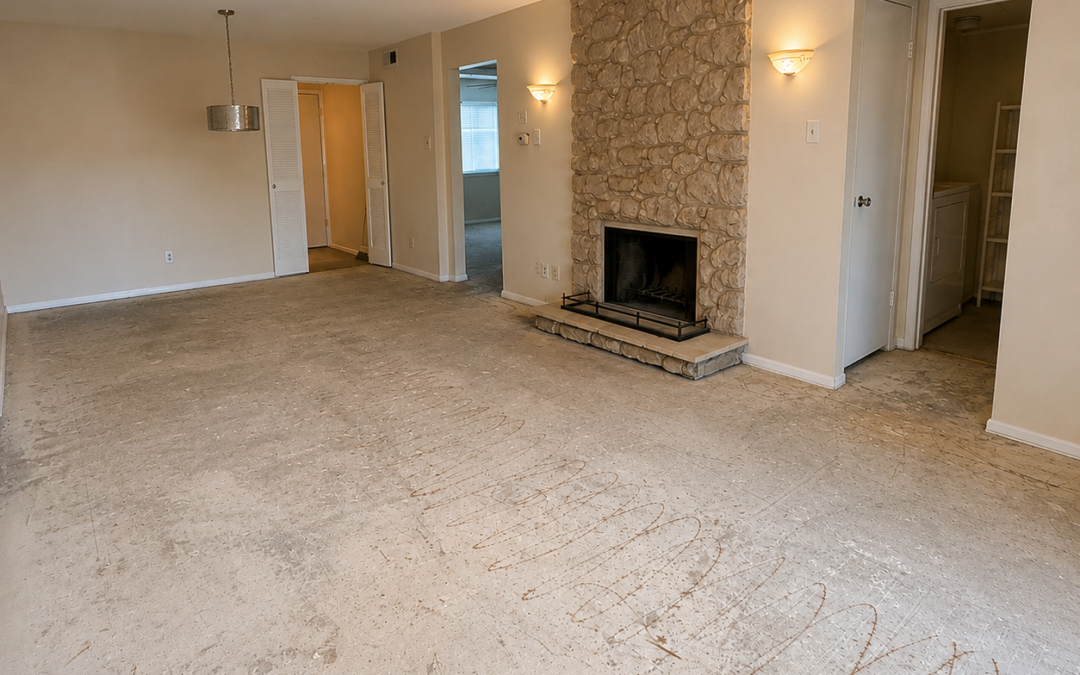
A Fireplace, a Vision, and a Condo in Dallas A few weeks ago, one of my clients, Festus, purchased a two-bedroom, two-bath condominium in Dallas. The unit needed updating, but it had good bones, an unusually large laundry room, and plenty of potential. One of the first things to go…

The 7 Most Requested Features in Dallas Homes Right Now, and How Sellers Are Capitalizing on Them
Every seller wants to know the same thing: “What are buyers looking for right now?” The answer may surprise you. In 2026, buyers aren’t necessarily searching for the biggest house on the block. They’re looking for homes that feel comfortable, functional, and ready for modern life. The good news for…

The Deal That Should Have Died
If you’ve been involved in enough real estate transactions, you eventually discover something interesting. The deals that seem easiest at the beginning often become complicated. And the deals that look completely doomed somehow find a way to cross the finish line. I’ve seen inspection reports that looked like horror novels.…

Why So Many Dallas Homes Need a Price Reduction
Every month, I review market reports, closed sales, and listing activity throughout Dallas. And every month, I find myself asking the same question: Why are so many homes requiring price reductions before they sell? The answer is usually not what people think. Most sellers assume a price reduction means the…

The Most Valuable Luxury in Dallas Isn’t What You Think
Ask someone to describe a luxury home in Dallas and you’ll probably hear the same answers. Marble countertops. Resort-style pools. Wine rooms. Three-car garages. Walk-in closets the size of apartments. Those things are certainly nice. But they’re not the most valuable luxury in Dallas. Not even close. The Luxury We…

Everybody Wants an Honest REALTOR® Until They Hear an Honest Answer
Everyone says they want honesty. They want honesty from their doctor. They want honesty from their attorney. They want honesty from their accountant. And they definitely want honesty from their REALTOR®. At least they think they do. What most people actually want is validation. They want someone to tell them…

The Difference Between a House You Walk Through and a House You Remember
Most buyers think they\'re shopping for square footage. They\'re not. They think they\'re comparing kitchens, bathrooms, floor plans, and countertops. They\'re not doing that either. What they\'re really doing is walking through a home and asking themselves one simple question: \"Can I see my life here?\" And one of the…
How Buyers Can Reduce Out-of-Pocket Costs at Closing
Many first-time buyers spend months saving for a down payment. Then they discover something surprising. The down payment isn’t the only money they’ll need to bring to closing. In addition to the down payment, buyers are often responsible for closing costs. These can include lender fees, title fees, prepaid property…
What Buyers Say They Want vs. What They Actually Need
What Buyers Say They Want vs. What They Actually Need Most buyers start with a list. Three bedrooms. Open kitchen. Quartz countertops. Walk-in closet. Two-car garage. And there is absolutely nothing wrong with that. But after thirty years in real estate, I\'ve noticed something interesting. The features buyers talk about…