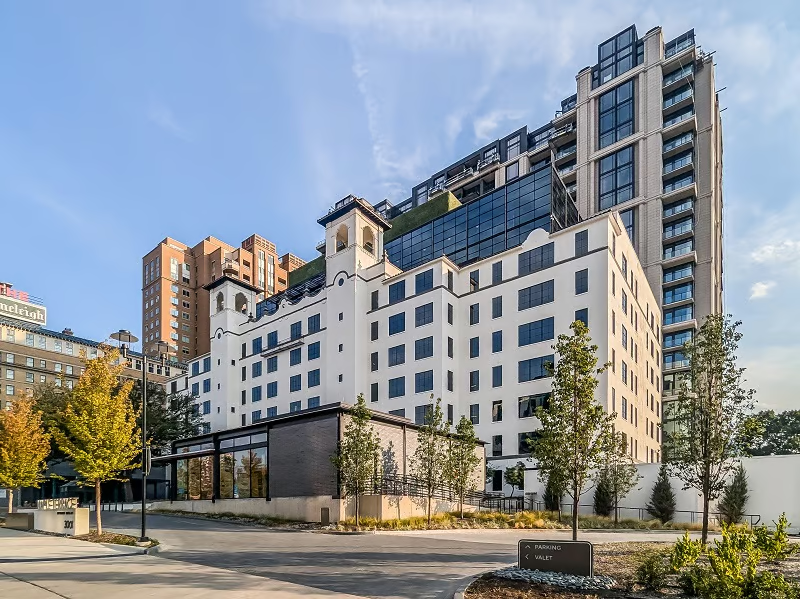
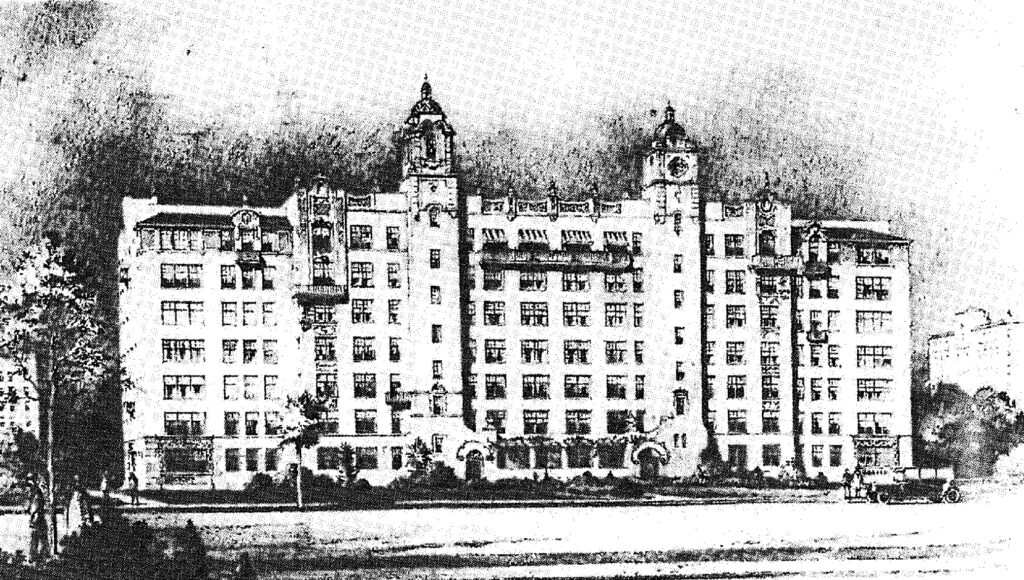
Oak Lawn is Reinventing Itself, Again
If you’ve spent any time in Oak Lawn, you’ve probably noticed something happening over the last several years.
The neighborhood isn’t just changing.
It’s evolving.
Older properties are being renovated, aging retail centers are being reimagined, and developers continue looking for opportunities to bring new density and new investment into one of Dallas’ most desirable urban neighborhoods.
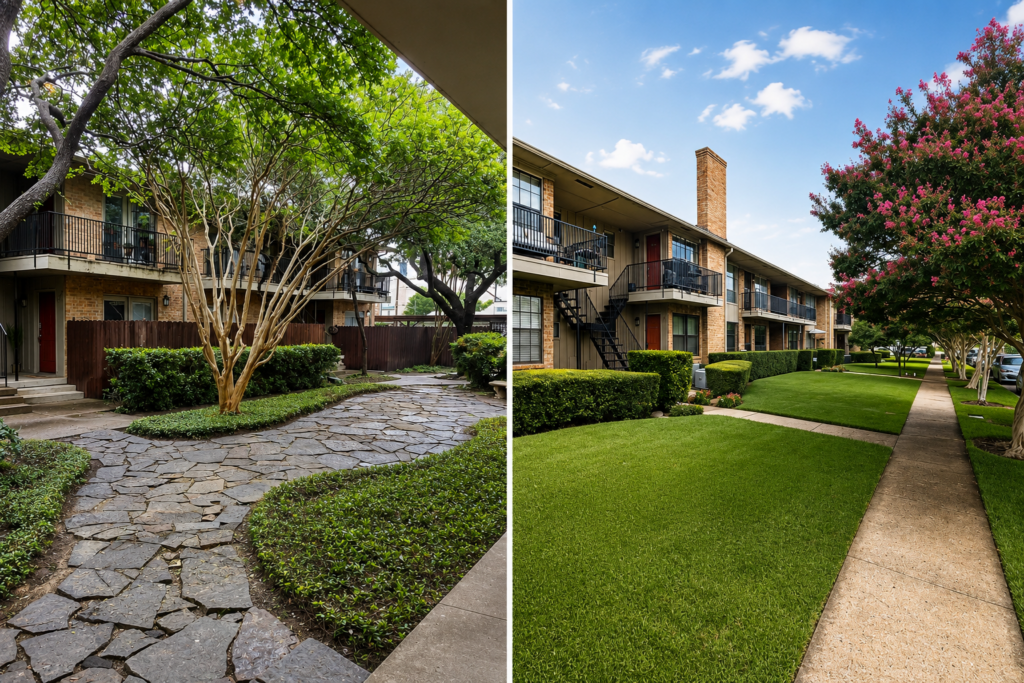
The latest example is a proposed 28-story residential tower planned near the intersection of Newton Avenue and Oak Lawn Avenue where presently stands 4211 Neton Avenue. If approved, the project would replace an aging condominium community that has occupied the site since the 1960s.
The proposed development would bring hundreds of new residential units to the area, along with structured parking, publicly accessible green space, water features, and a pedestrian-focused design intended to better connect with the surrounding neighborhood.
Whether you love new development or hate it, projects like this force an interesting conversation.
What should happen when a building reaches the end of its useful life?
Should a city preserve everything exactly as it is?
Or should neighborhoods be allowed to evolve as demand changes?
There isn’t a perfect answer.
What is clear is that Oak Lawn continues to attract residents who want an urban lifestyle close to Uptown, Turtle Creek, Highland Park, the Katy Trail, and some of Dallas’ most popular restaurants, shops, and entertainment destinations.
Demand for that lifestyle isn’t slowing down.
Developers know it.
Investors know it.
And buyers know it.
One detail I found particularly interesting while researching this story wasn’t mentioned in most of the development coverage.
I pulled the MLS history for the condominium community slated for redevelopment.
Over the past twelve months, there were no recorded sales.
Not one.
The only transactions reported in the MLS were three leases, one in July, one in August, and one in November of last year.
Of course, we don’t know the story behind every unit. It’s entirely possible that some owners had already reached agreements outside the MLS. It’s also possible that residents simply chose not to sell.
Still, the absence of sales activity is hard to ignore.
In a market where ownership changes hands every day, zero sales over an entire year is unusual.
Whether residents knew redevelopment was coming or whether the market simply sensed change on the horizon, the data suggests this community may have already been entering its final chapter.
As a condominium owner myself, I find stories like this fascinating.
A building isn’t just concrete and drywall.
It’s a collection of memories, neighbors, investments, and decades of history.
But cities are living things.
They grow.
They adapt.
They reinvent themselves.
And sometimes that means saying goodbye to one chapter so another can begin.
This proposed tower may still face approvals, community discussions, and additional planning before construction begins.
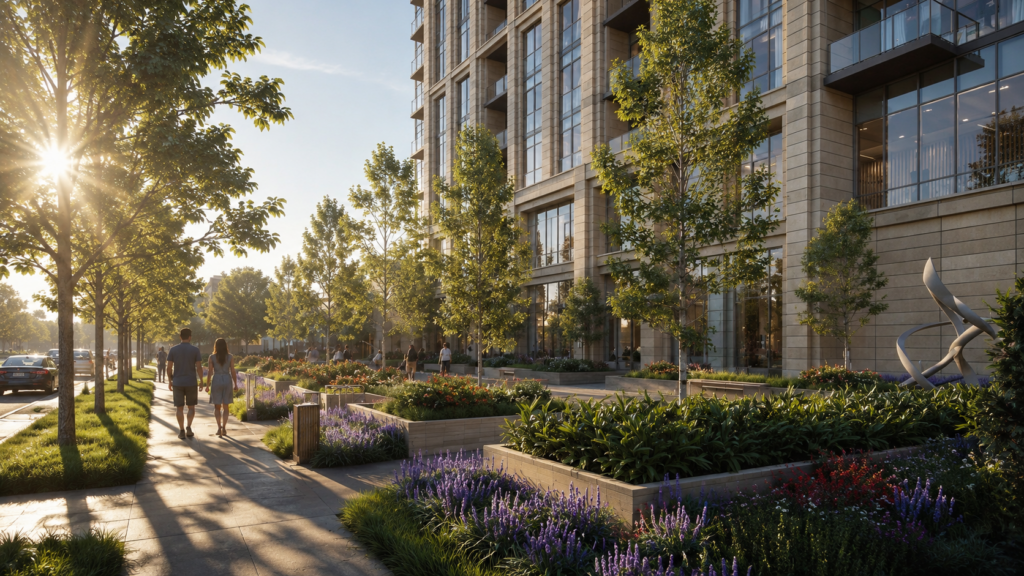
But regardless of the final outcome, it offers an interesting glimpse into the future of Oak Lawn and the continued evolution of one of Dallas’ most recognizable neighborhoods.