
For decades, Turtle Creek has been one of Dallas’ most recognizable neighborhoods. Its winding creek, mature canopy of trees, historic bridges, luxury high-rises, and proximity to Uptown have made it one of the city’s most desirable places to live.
Now, another chapter is unfolding.
A wave of investment is reshaping the Turtle Creek and Uptown corridor, with approximately 2.7 million square feet of new development currently under construction, bringing new residences, offices, restaurants, and public improvements to one of Dallas’ most walkable neighborhoods.
A New Landmark Is Rising Along Turtle Creek
Perhaps the most anticipated project is Rosewood Residences Turtle Creek.
Located just a short walk from the iconic Mansion on Turtle Creek, the development represents a return to the neighborhood where the Rosewood brand began. Rather than building another hotel, Rosewood is creating an ultra-luxury residential tower designed specifically for homeowners seeking privacy, concierge-level service, and timeless architecture.
The project will feature:
- A 17-story luxury residential tower
- Approximately 33 private residences, with earlier plans calling for around 46 homes during the design phase
- Homes ranging from roughly 2,000 to more than 6,000 square feet
- Rooftop pool and lounge
- Fitness center
- Library and private dining room
- Landscaped gardens
- Dedicated pet amenities
- Architecture by renowned Chicago architect Lucien Lagrange, inspired by classical Beaux-Arts design
- Interior design by Dan Fink Studio
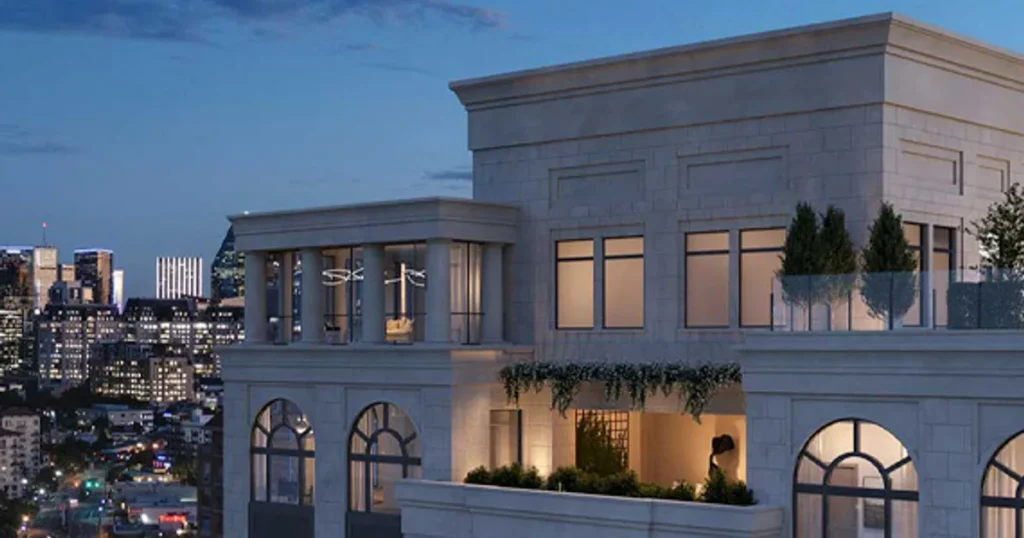
The confidence behind the project is reflected in its financing. Developers recently secured a $97.5 million senior construction loan, underscoring continued investor confidence in Turtle Creek’s luxury residential market.
Restoring One of Dallas’ Hidden Gems
While new towers often receive the headlines, another project may have an even greater impact on everyday life.
Several of Turtle Creek’s historic pedestrian bridges are undergoing restoration as part of ongoing efforts to preserve one of Dallas’ most picturesque urban landscapes. These small bridges have quietly connected walking paths, parks, and neighborhoods for generations, allowing residents to enjoy the creek from a perspective many drivers never experience.
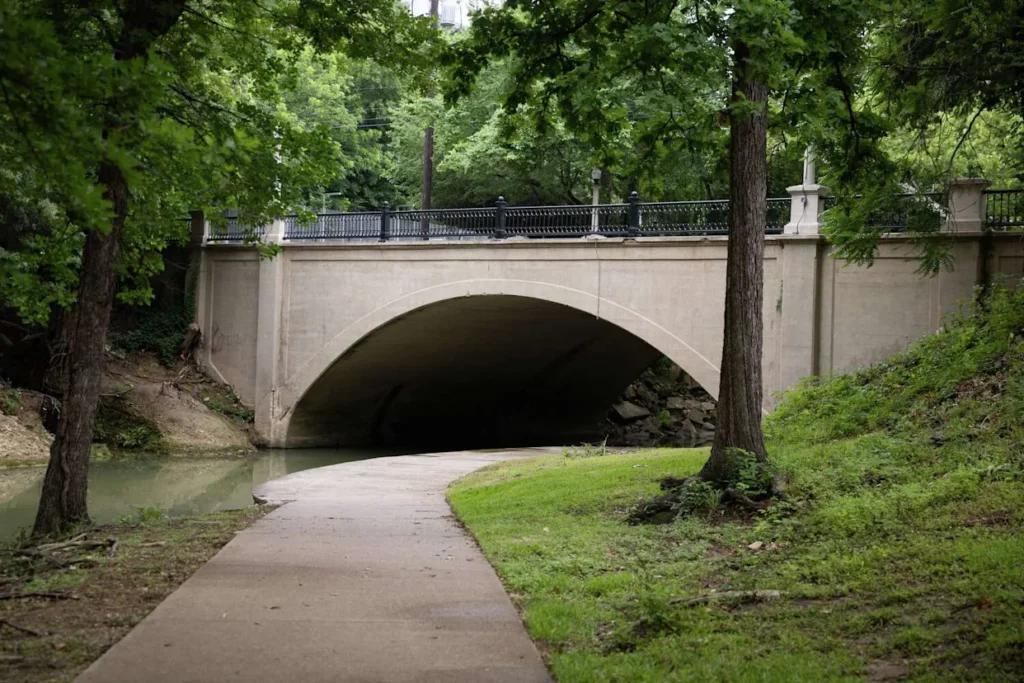
The restoration work focuses on preserving the historic character of the bridges while improving their long-term durability and safety, ensuring they remain part of Turtle Creek’s identity for decades to come.
Growth Without Losing Character
One of the reasons Turtle Creek has aged so gracefully is that it has never tried to become downtown.
Its appeal has always been different.
Morning walks beneath mature live oaks.
Views of the creek instead of traffic.
Historic architecture sitting comfortably beside contemporary design.
That balance appears to be guiding this newest wave of investment as well. Rather than replacing the neighborhood’s character, many of the projects are designed to complement it through high-quality architecture, generous landscaping, and thoughtful public spaces.
Why It Matters
Development isn’t simply about adding more buildings.
When done thoughtfully, it creates a neighborhood that’s easier to enjoy on foot, attracts new restaurants and retailers, supports local businesses, and encourages continued investment in parks and public spaces.
For homeowners, it often signals long-term confidence in the neighborhood.
For visitors, it creates an even better experience.
And for Dallas as a whole, it reinforces Turtle Creek’s reputation as one of the city’s signature addresses.
Whether you’re crossing one of the restored pedestrian bridges on a quiet morning or watching another crane reshape the skyline, one thing is becoming increasingly clear.
Turtle Creek isn’t standing still.
It’s evolving, while holding onto everything that made it special in the first place.