469-991-3132
You Cannot Buy Katy Trail Access at Home Depot

You Cannot Buy Katy Trail Access at Home Depot
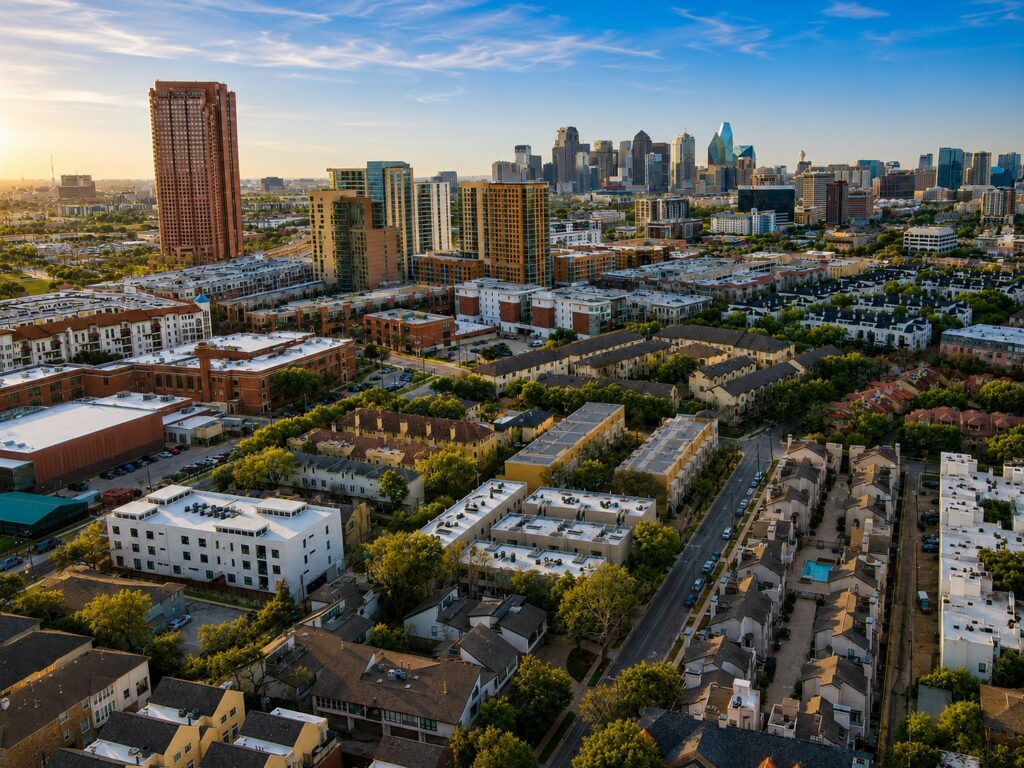
Kitchen cabinets, countertops, lighting, and flooring can all be upgraded. But the thing that keeps drawing people to the eight blocks of Uptown, just south of Knox, isn’t sitting on a shelf at Home Depot.

It’s Katy Trail access.

Most people search for rentals or places to buy by square footage, bedroom count, finish-out details, and price. Then, there is an elite group that want close proximity to Katy Trail.

Because living near Katy Trail changes how people actually live.

Suddenly morning coffee is not a drive. Exercise is not something you schedule. Dinner is not an event that requires planning. You walk out your front door and it’s all in the neighborhood.

You see people walking dogs, runners finishing morning miles, neighbors heading to the market, friends meeting for coffee, and rooftop patios filling up as the sun starts dropping over the skyline.

The townhomes are beautiful. The kitchens are beautiful. The finish-outs are beautiful.

But those things exist all over Dallas.

Katy Trail access a block away, does not.
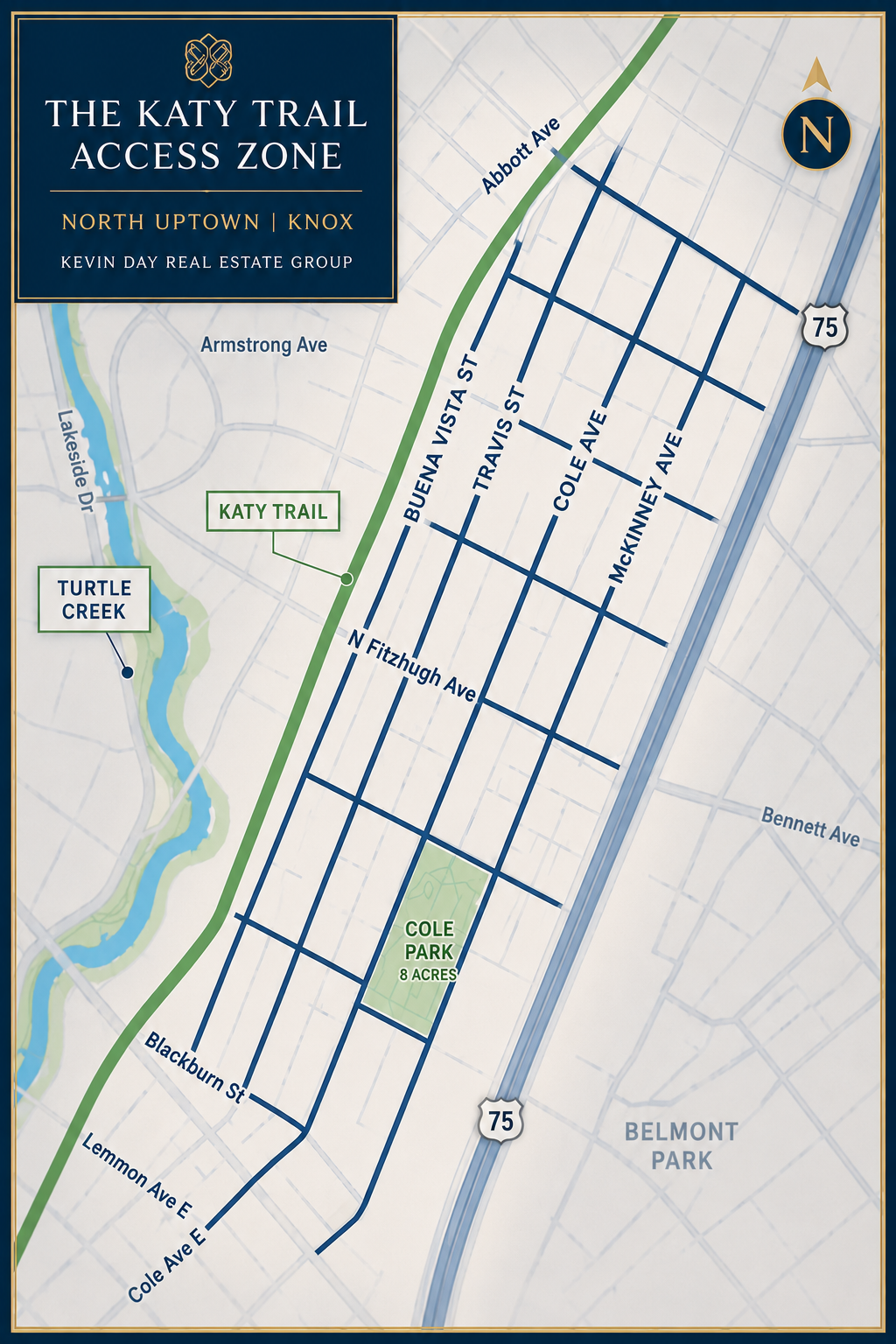
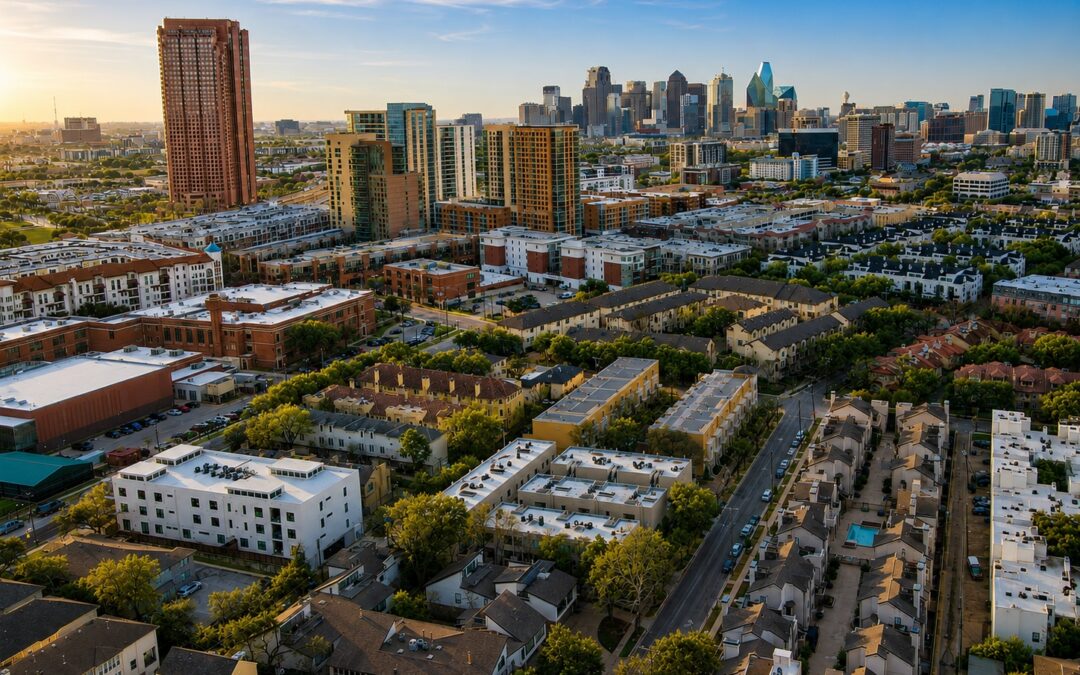
There are certain places around Dallas where people want more than square footage, and this little pocket just south of Knox is one of them. If you’re not familiar with it, think roughly McKinney Avenue, Cole Avenue, Travis Street, Buena Vista, and Katy Trail itself stretching beside it all. It’s an area that somehow manages to feel connected, and tucked away, at the same time.

You can walk out your front door and be on Katy Trail in seconds.

That changes things.

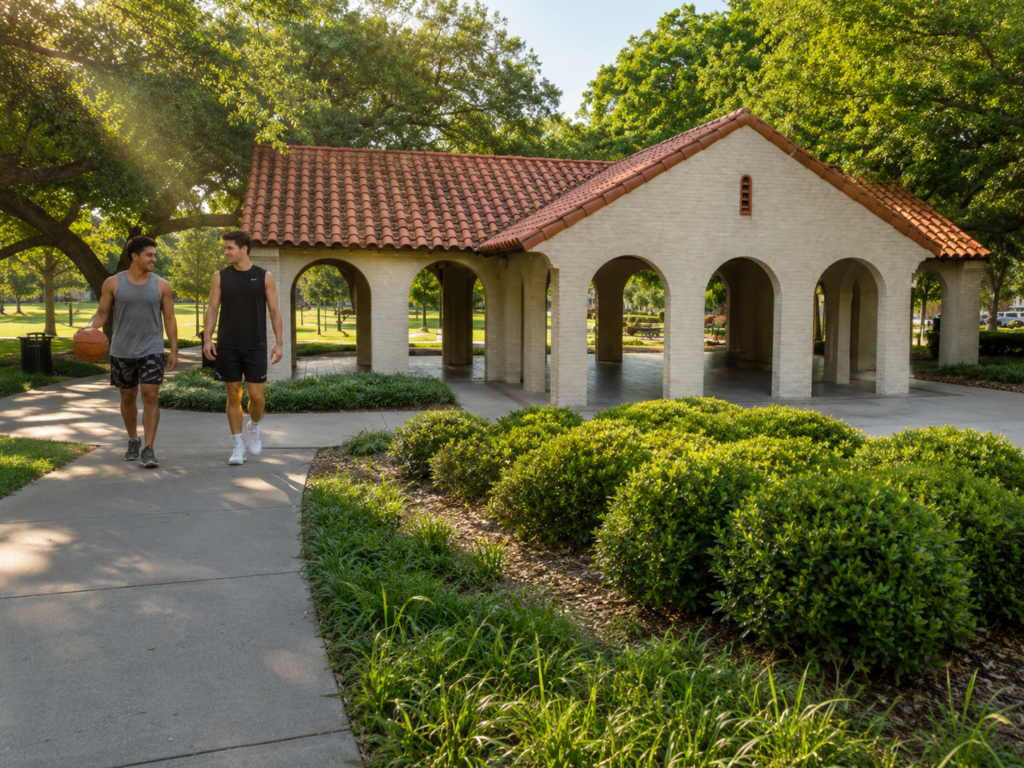
Everything now becomes a walk.
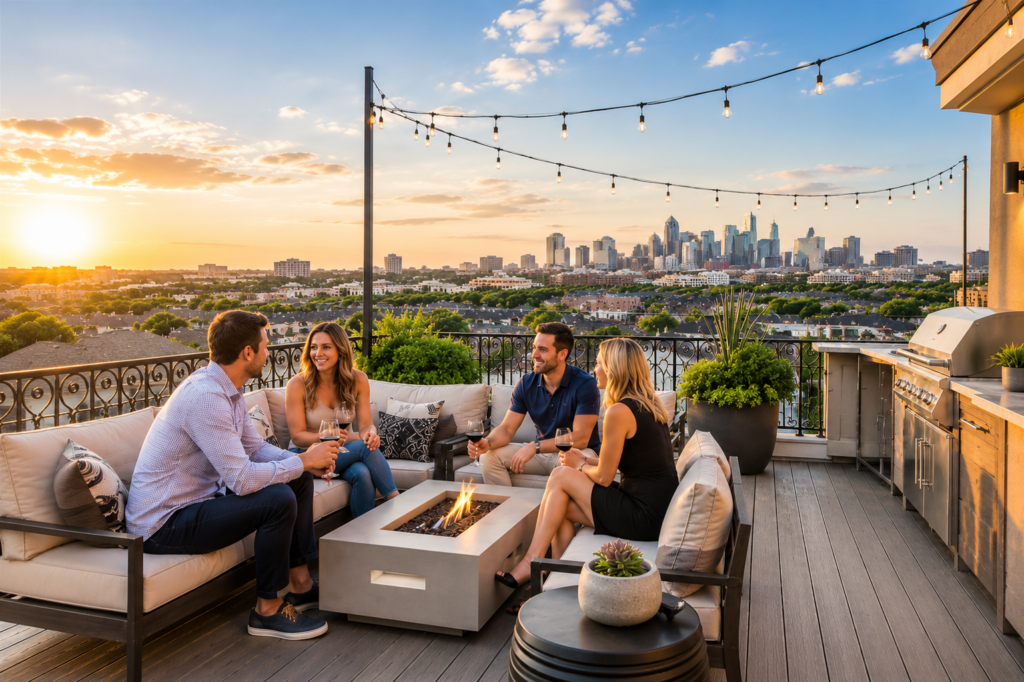
Life gets smaller in the best possible way.

People underestimate how valuable that becomes.

I’ve shown townhomes where couples initially start talking about kitchen finishes and backsplash tile selections. Then we step outside and they realize they can walk to any and everything that want.

Walkable neighborhoods, especially ones with immediate access to the trail, is requested more than large closets or gas stoves.
And here’s another funny observation.

Wherever I see an Apple store, I usually expect a Starbucks and a grocery concept like Trader Joe’s or Whole Foods nearby.

Put a one-mile radius around that trifecta and you’re usually standing in valuable real estate.

Those retailers figured that out a long time ago.

But even that’s only part of the story.

The real magic isn’t those stores or eateries.

It’s the rhythm.

It’s the little routines that don’t seem important until one day you realize you would hate giving them up.

That’s why people come here.

And that’s why they stay, until life changes.

As time goes on they get engaged, or a baby is on the way, and the next move usually isn’t a larger townhome.

It’s a house.

They have thoroughly embraced this Uptown townhome life, but their priorities have changed. Their love for Katy Trail is replaced by the need for good school districts, and the other benefits suburban communities offer growing families.

And while they are moving off to the suburbs, a new young couple has decided to lease the townhome they’ve lived in; and the new young couple is discovering the absolute joy of having immediate Katy Trail access as they requested, as well as their new life of walking everywhere, like the couple before them.

Katy Trail is a property feature that gets requested hundreds of times a day.

You can remodel kitchens.

You can replace flooring.

You can renovate bathrooms.

But you cannot buy Katy Trail access at Home Depot.
Some Homes Feel Expensive Before You Ever See the Price

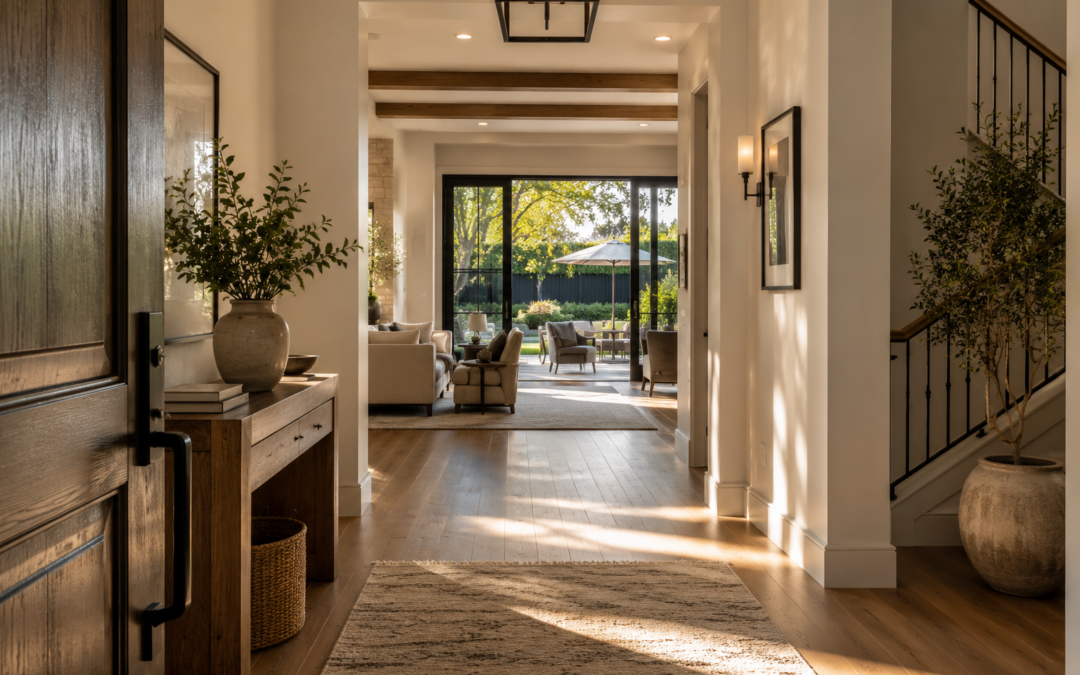
Some Homes Feel Expensive Before You Ever See the Price

There are homes people admire, and then there are homes people feel something inside of.

The interesting part is that those feelings often begin long before anyone asks about the price per square foot, the school district, or whether the kitchen countertops are quartz or marble. Buyers usually know within moments whether a home feels elevated, calm, inviting, or forgettable. The emotional reaction happens first. Logic arrives later.

And contrary to what many people assume, that “expensive” feeling rarely comes from excess.

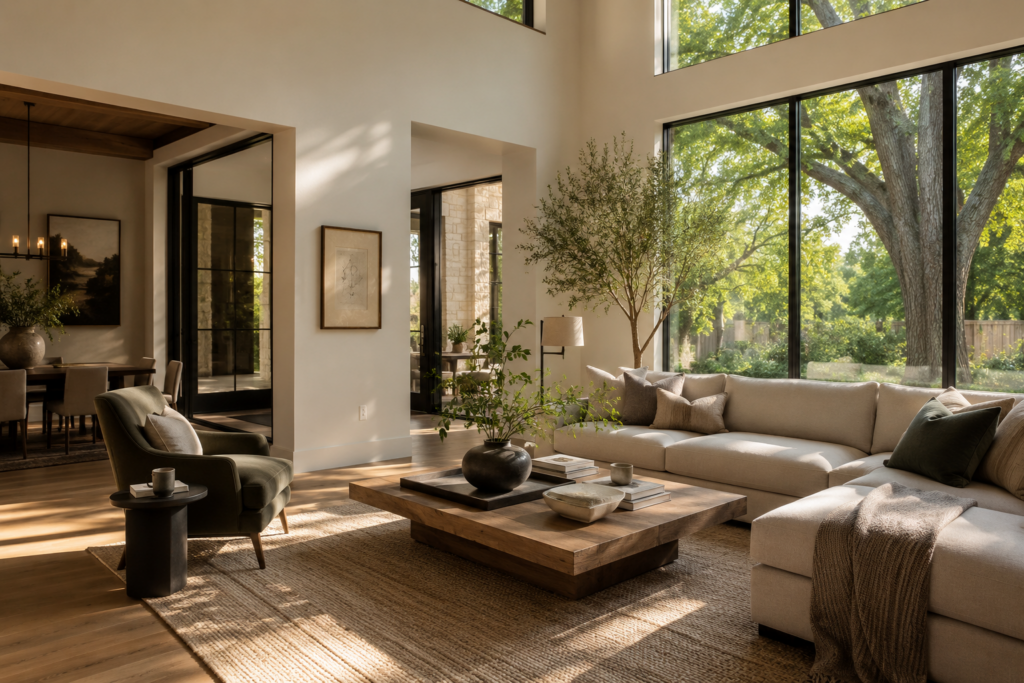
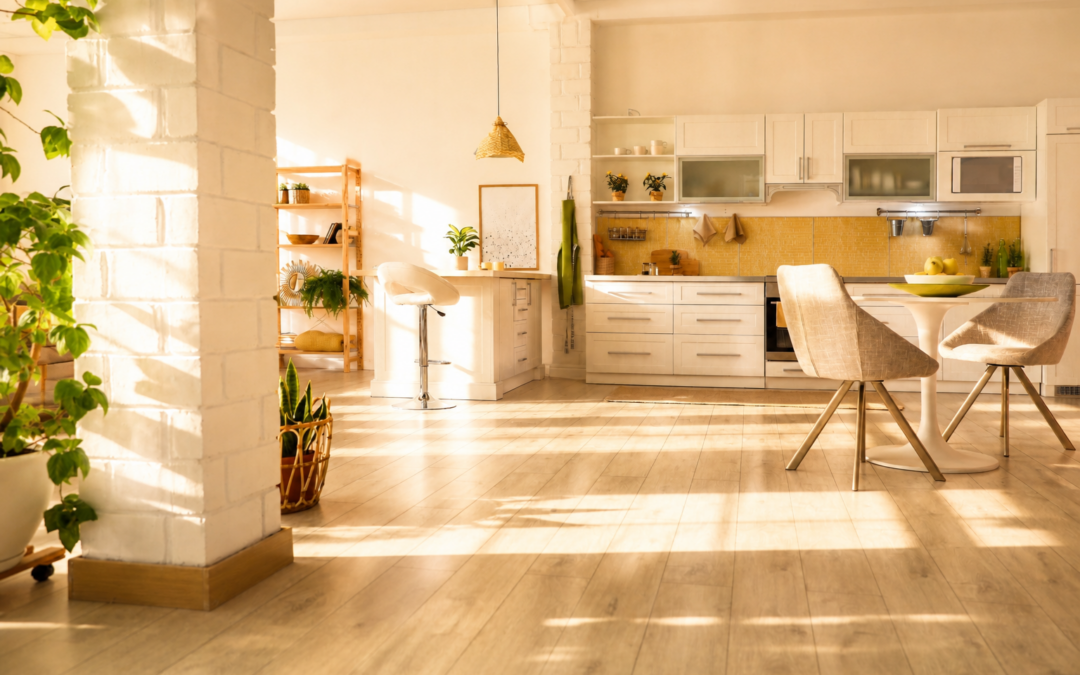
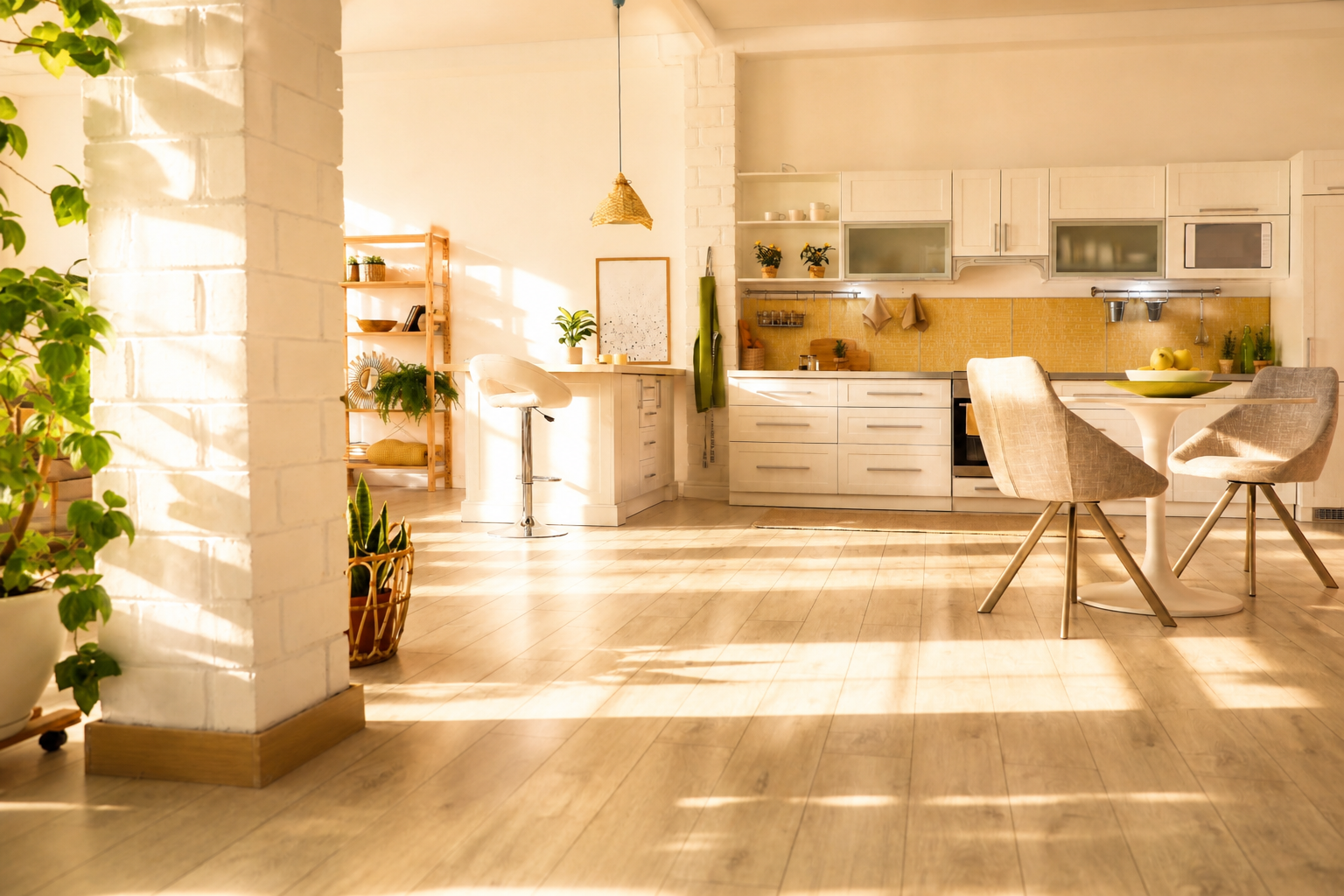
In today’s Dallas market, some of the most memorable homes are not necessarily the largest homes or the most extravagant homes. They are simply intentional. The lighting feels right. The proportions feel balanced. The home feels clean, cared for, and emotionally easy to be inside of.

That matters more than many sellers realize.

Buyers and tenants are overwhelmed today. They scroll through hundreds of listings, endless photos, and properties that begin blending together after a while. The homes that stand out are usually not the loudest ones. They are the ones that create emotional clarity.

A beautifully presented home reduces friction.

People stop wondering if they could live there and begin imagining themselves already living there.

That transition is where momentum happens.

This is also why presentation matters so much more than people think. Not “staging” in the artificial sense. Not filling rooms with trendy furniture and decorative objects that feel disconnected from real life. True presentation is about creating emotional ease.

Clean sightlines.
Natural light.
Thoughtful scale.
Warm textures.
A sense of calm.

Those details quietly shape perception.

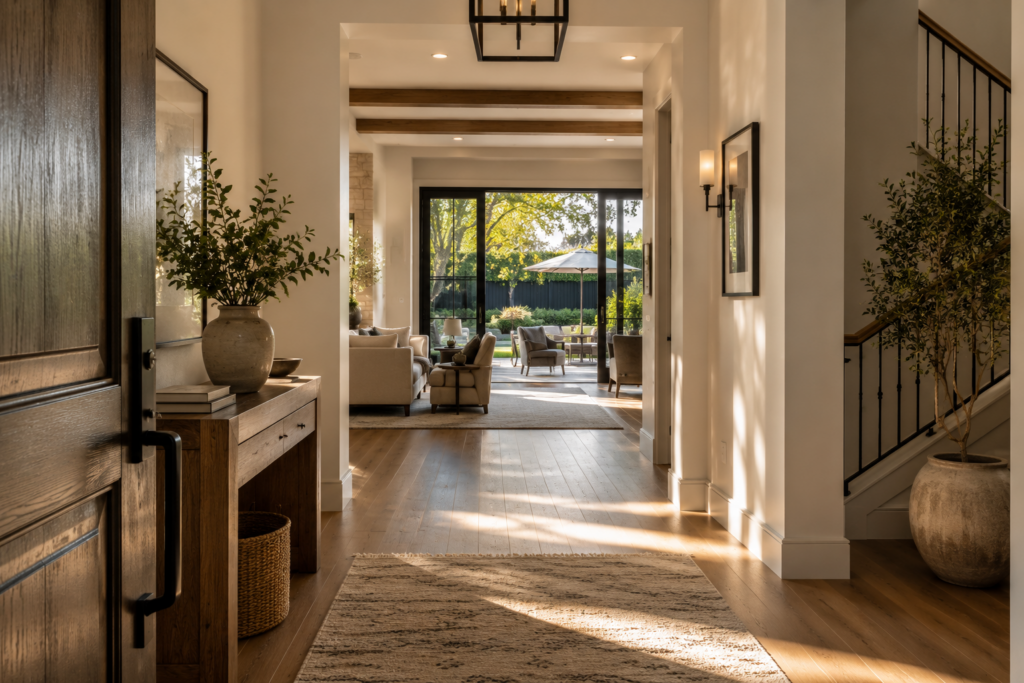
Even landscaping plays a role. Mature trees, intentional outdoor spaces, and a welcoming entry sequence can completely change how a property feels before the front door ever opens. Buyers often interpret emotional comfort as value, even if they cannot immediately explain why.

And this is where many listings miss the mark.

Too many homes enter the market visually noisy, over-personalized, poorly photographed, dimly lit, or emotionally disconnected. Then everyone wonders why the property sits.

The market usually tells the truth fairly quickly.

The homes generating immediate interest right now are the ones that feel intentional, emotionally easy to absorb, and visually composed from the very first photo.

That applies across nearly every price point.

In many ways, the true definition of “expensive feeling” has shifted. It is less about showing off and more about creating an atmosphere people genuinely want to come home to.

And the moment a property achieves that feeling, people notice.

Sometimes before they ever see the price.

The Understated Luxury of Intentional Landscaping

The Understated Luxury of Intentional Landscaping

One of the most overlooked forms of luxury in real estate has nothing to do with marble countertops, imported fixtures, or square footage.

It’s landscaping.

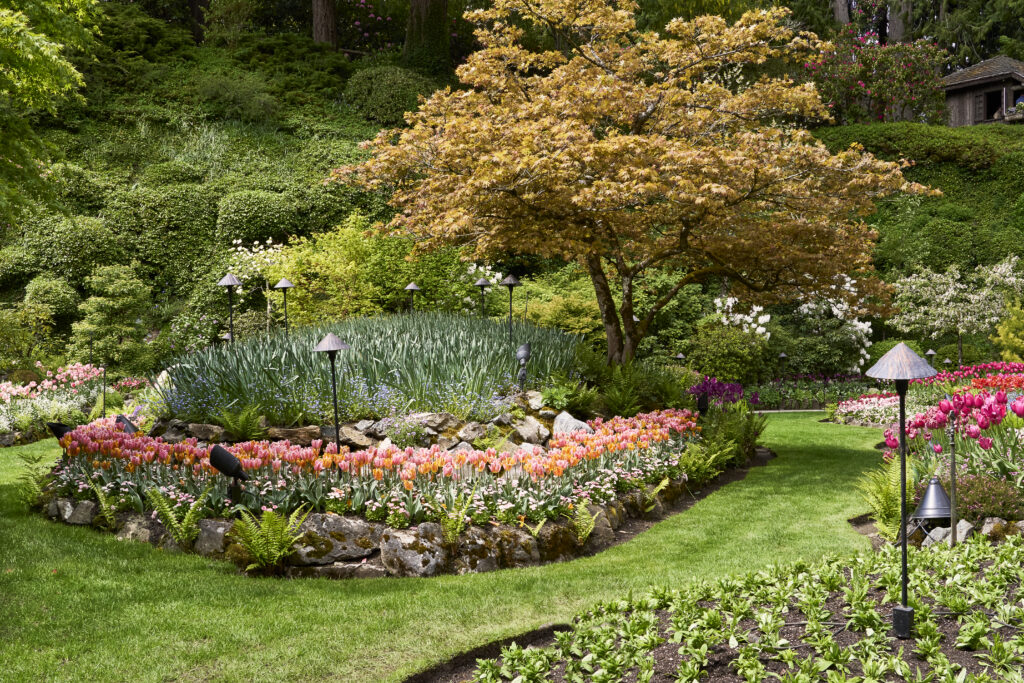
Not simply “having a yard,” but creating a thoughtful outdoor environment that quietly changes the way a home feels before you ever step inside. The best landscaping does not scream for attention. It guides you. Softens the architecture. Creates calm. Frames the arrival. It slows people down in the best possible way.

Some homes feel expensive the moment you pull into the driveway, even before seeing the interior. More often than not, intentional landscaping is part of the reason.

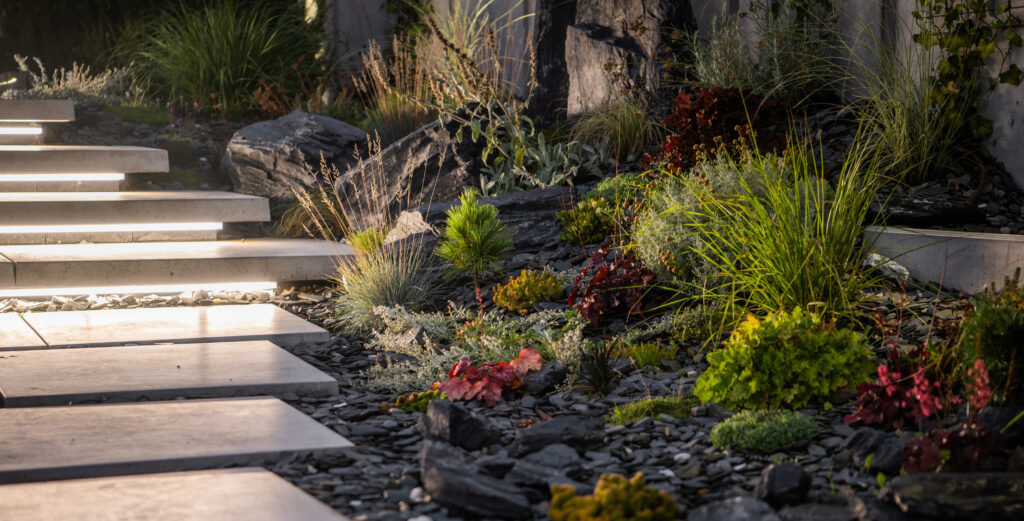
The layering of greenery, the symmetry of plantings, the softness around hard edges, the movement created by ornamental grasses, the subtle glow of landscape lighting at dusk, all of these details work together emotionally, even when buyers cannot immediately explain why the home feels so inviting.

And importantly, great landscaping is not always about excess.

In fact, some of the most sophisticated homes use restraint beautifully.

A perfectly maintained lawn, thoughtfully shaped hedges, architectural trees, natural stone pathways, and a few well-placed seasonal planters often create a stronger impression than an overly crowded garden trying to do too much at once. The goal is not decoration. The goal is atmosphere.

This becomes especially important when preparing a home for sale.

Buyers begin forming emotional opinions within seconds of arrival. Long before they evaluate floor plans or appliance packages, they are already subconsciously deciding how the property makes them feel. A welcoming exterior creates momentum for everything that follows inside.

And in neighborhoods throughout Dallas, especially in areas where architecture and lifestyle matter deeply, intentional landscaping has become part of the overall luxury experience.

It signals care.
It signals pride.
It signals that the home has been thoughtfully curated.

The best homes rarely feel accidental.

Even outdoors.

Why Natural Light Changes Everything in a Home

Why Natural Light Changes Everything in a Home

One of the most overlooked features in a home isn’t something you can upgrade later. It’s how the home feels the moment you walk in.

Natural light does more than brighten a room. It shapes the entire experience.

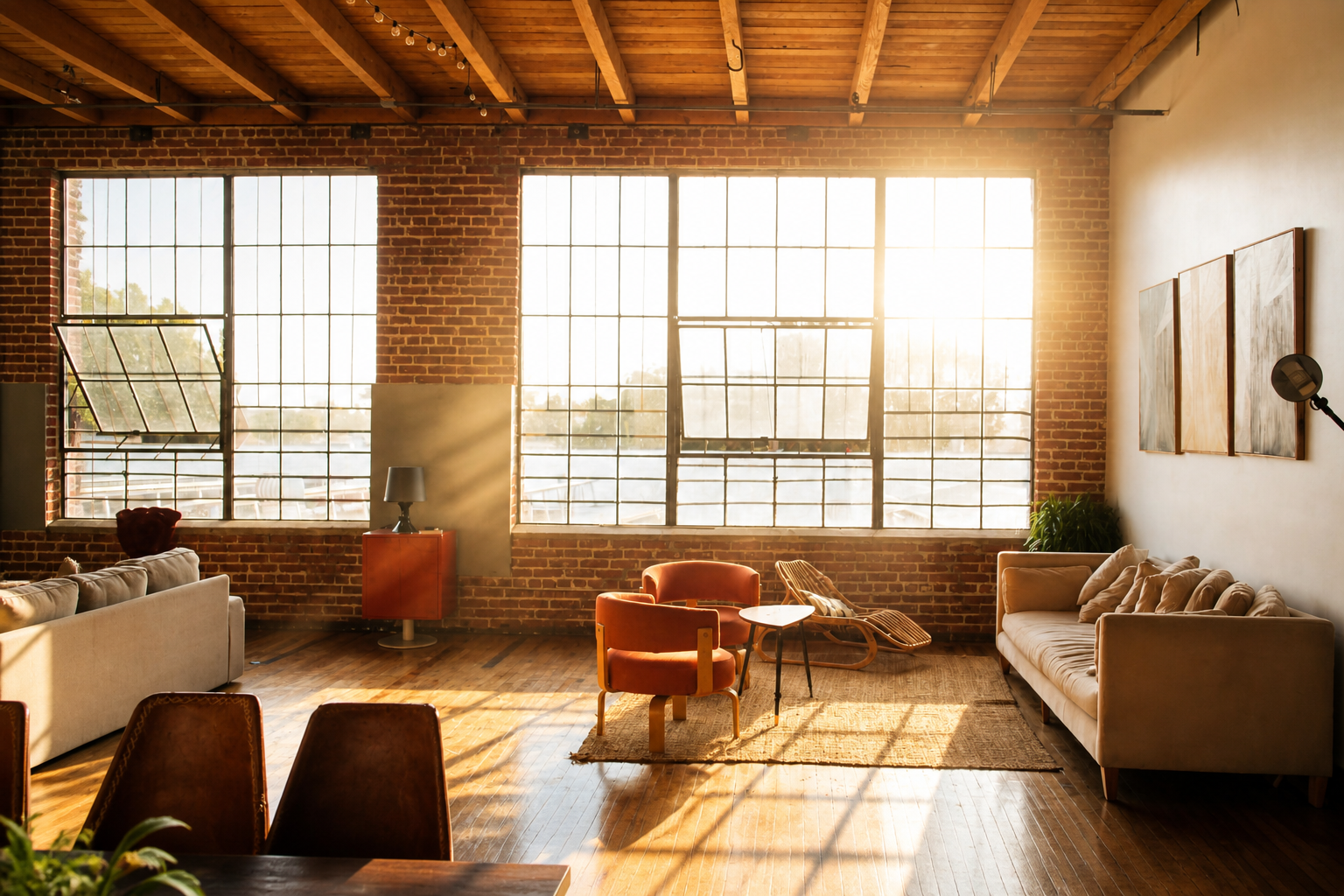
It makes spaces feel larger, cleaner, and more inviting. It softens finishes, enhances textures, and brings a sense of energy that photos alone can’t always capture.

When buyers walk into a home with strong natural light, they tend to stay longer. They start to imagine their life there. That’s not by accident.

Compare that to a home with poor lighting. Even if the layout is solid, something feels off. It’s harder to connect, harder to get comfortable, and ultimately harder to justify.

This is where marketing makes a real difference.

That moment when the light hits just right, when a room comes alive, has to be captured and conveyed. A good agent, working with a skilled photographer, knows how to find it, frame it, and make sure buyers feel it before they ever step inside.

If you’re buying, don’t just look at square footage and finishes. Pay attention to how the home lives throughout the day.

If you’re selling, presentation matters, but positioning matters just as much. Highlighting the right features can completely change how your home is perceived.

The best homes don’t just check boxes.