When One Address Was Enough, The Remarkable Story Behind a Dallas Icon

When One Address Was Enough, The Remarkable Story Behind a Dallas Icon

Today, every luxury residential building has a name, a logo, a marketing campaign, and a website.

Back in the late 1950s, one Dallas building needed none of those things.

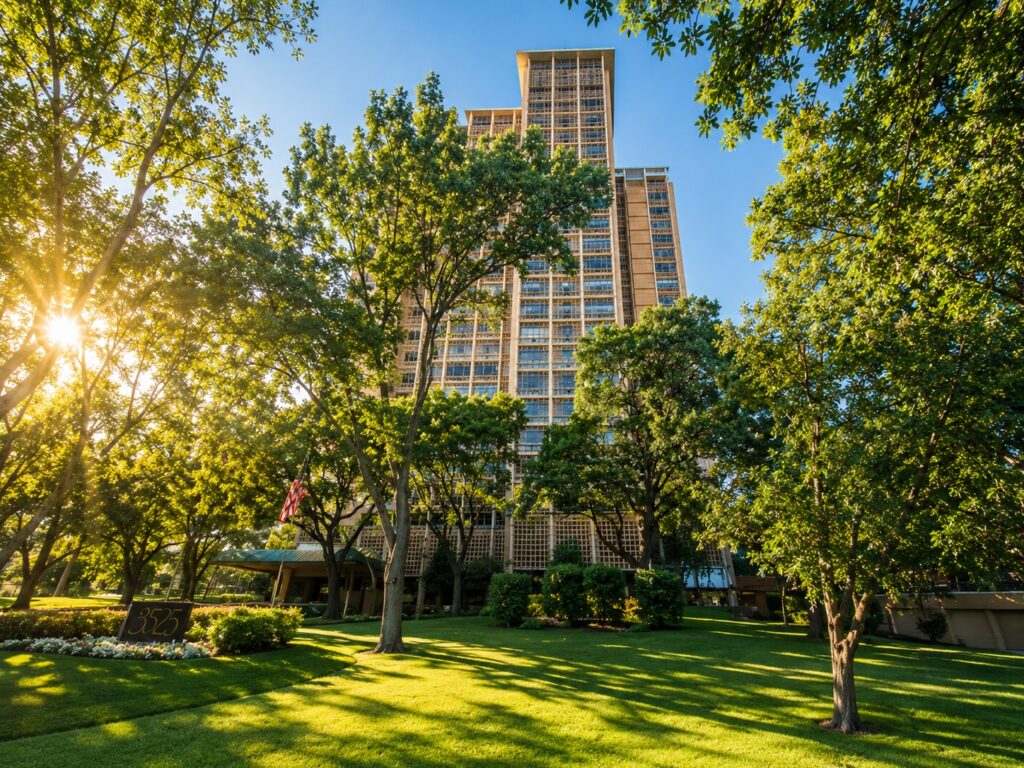
According to a 2006 feature in The Dallas Morning News, simply saying “3525” was enough. Everyone knew exactly what you meant. It wasn’t shorthand for a neighborhood. It was shorthand for prestige.

The article, written by David Flick, paints a fascinating portrait of a building that became woven into Dallas history in ways that extend far beyond real estate.
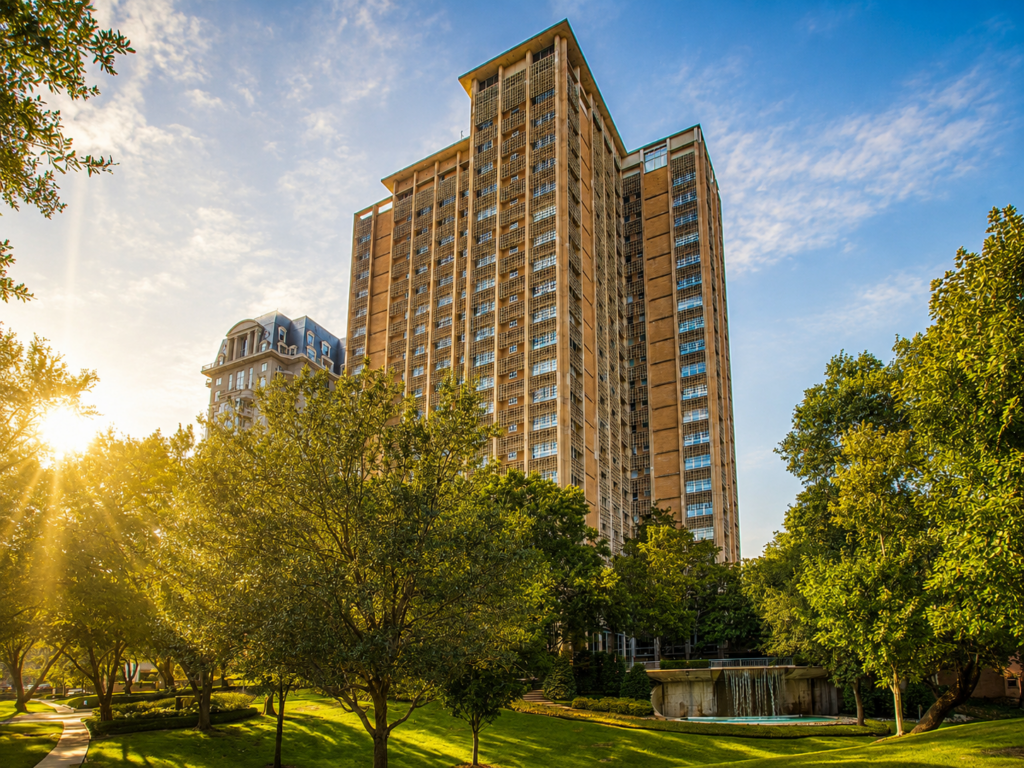
Rather than focusing only on architecture, Flick chronicles the people, stories, and larger-than-life personalities that passed through its doors. Hollywood stars including Greer Garson, Fabian, Tyrone Power, Joan Collins, and Van Johnson all have connections to the building. Former British Prime Minister Margaret Thatcher visited. Van Cliburn performed at birthday celebrations. Oil magnates, prominent attorneys, philanthropists, socialites, and business leaders all called 3525 home at one time or another.

The article also reminds us that glamorous buildings often develop colorful histories.

There were stories of vice squad raids at the building’s private club, society gossip that filled newspaper columns, high-profile burglaries, celebrity sightings, and the tragic discovery of a resident in the famous circular swimming pool. These weren’t simply events happening at an apartment building. They became part of Dallas folklore.

One of the article’s most memorable observations comes from longtime resident Col. James Pinckney Caston, who explains why so many people never seem to leave.

“Once you’ve lived in the Grande Dame of Turtle Creek, really nothing is ever the same.”

It’s a remarkable statement because it doesn’t describe finishes, square footage, or amenities.

It describes an emotional connection.

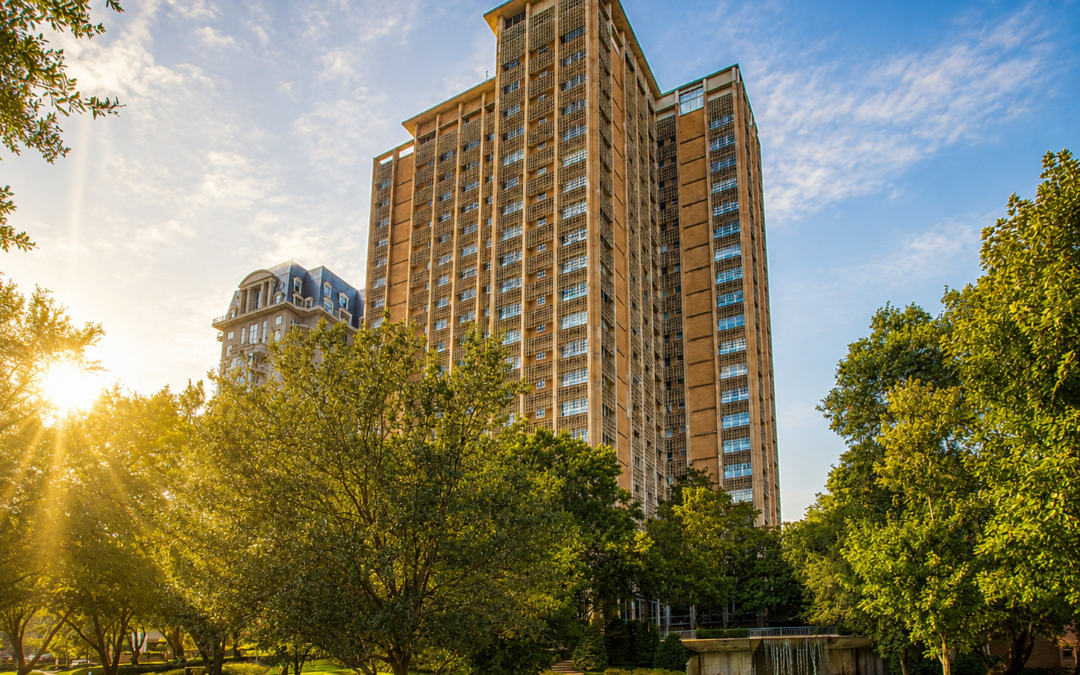
Perhaps that’s why the building has remained relevant for nearly seven decades. While luxury towers have grown taller and flashier around it, 3525 continues to attract people who appreciate history, thoughtful architecture, and the quiet confidence of a building that has never needed to chase trends.

Reading the article today feels like opening a time capsule. It captures an era when Dallas was rapidly growing into an international city, and one address became the backdrop for many of its most memorable stories.

Some buildings are valuable because they’re old.

Others become priceless because they have stories worth telling.

3525 Turtle Creek has both.
The Press Release That Called 3525 Turtle Creek “The Most Exciting Building in America”

The Press Release That Called 3525 Turtle Creek “The Most Exciting Building in America”

Long before 3525 Turtle Creek became one of Dallas’ most celebrated residential towers, it was introduced to the public with a bold claim.

On May 26, 1957, The Dallas Morning News published a special feature proclaiming it “The Most Exciting Building in America.” At the time, construction was nearing completion, and the article wasn’t simply announcing another luxury apartment building. It was introducing a completely new vision for urban living in Dallas.

Today, nearly seventy years later, it’s fascinating to look back at what made 3525 Turtle Creek such a revolutionary address.

A New Way to Live

Developed by Edward T. Dicker and Jerome J. Frank, the vision behind 3525 Turtle Creek was remarkably forward thinking.

Rather than simply building luxury apartments, they wanted to create an environment for people accustomed to estate living who no longer wanted the responsibilities that came with maintaining a large home. The concept promised privacy, convenience, impeccable service, and resort-style amenities, all within minutes of downtown Dallas.

Howard Meyer’s Masterpiece

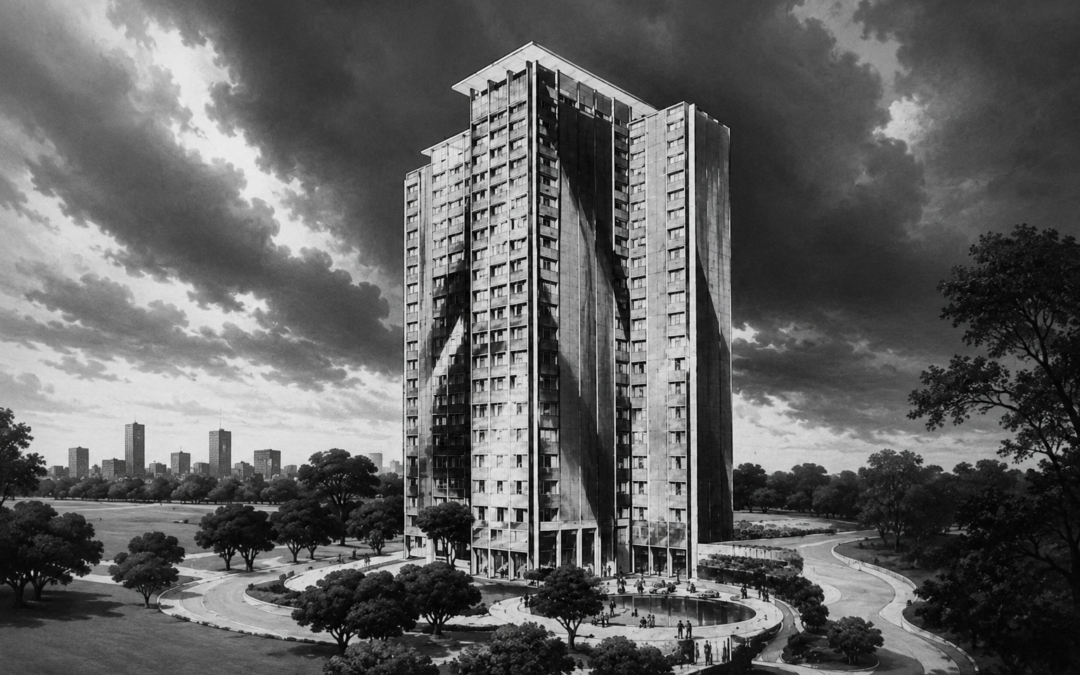
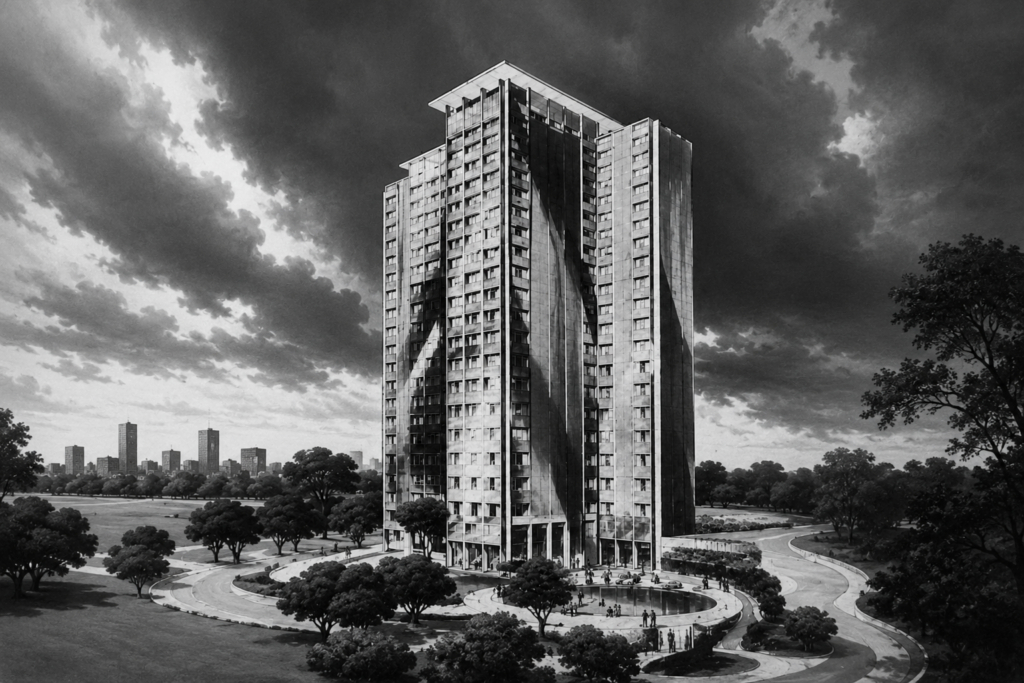
The building was designed by legendary Dallas architect Howard Meyer, whose influence can still be seen throughout Turtle Creek and Highland Park today.

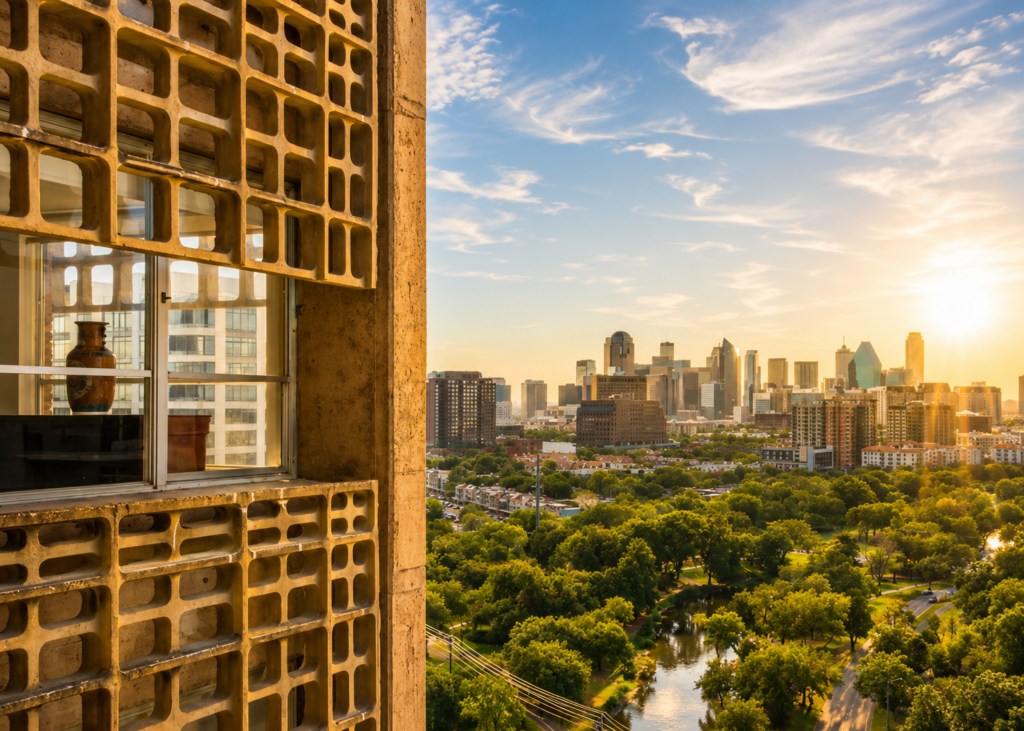
One of the most remarkable features described in the original article was Meyer’s emphasis on privacy. Each residence was carefully engineered to minimize sound transmission, something almost unheard of in apartment construction during the 1950s.

Equally innovative were the expansive sliding glass doors that connected living rooms to oversized terraces, blurring the line between indoor and outdoor living decades before that design philosophy became commonplace.

Luxury That Was Decades Ahead of Its Time

Reading the original press release today almost feels like reading the brochure for a modern five-star residential tower.

Residents enjoyed:

  • A 24-hour doorman
  • Individual climate controls for every room
  • Two garage spaces for every residence
  • Intercom communication throughout the building
  • Valet-style automobile care
  • Room service
  • A private club
  • Formal dining
  • A grand entertaining room
  • Resort-style swimming pools
  • Cabanas overlooking Turtle Creek
  • A putting green
  • Even a greenhouse for residents who enjoyed gardening

Perhaps the most surprising detail?

The owners believed so strongly in refined service that tipping was actually prohibited. The policy was written directly into every lease.

The Turtle Room

The article devoted considerable attention to what would become one of Dallas’ most elegant dining destinations, The Turtle Room.

Surrounded by dramatic 17-foot floor-to-ceiling windows overlooking Turtle Creek, it featured continental cuisine prepared by master chefs and operated by the same team behind Dallas’ renowned Chateaubriand restaurant. Residents could enjoy dinner in the restaurant or have meals delivered directly to their homes.

Luxury Living in 1957

The pricing itself tells an interesting story.

One-bedroom, two-bedroom, and three-bedroom residences leased for $350 to $700 per month, while the penthouse commanded an astonishing $1,500 per month, extraordinary figures for 1957 and a clear indication that 3525 Turtle Creek was intended to compete with the finest residential addresses in the country.

A Legacy That Endures

Many luxury buildings have been constructed in Dallas since 1957, but very few can honestly say they changed expectations for how people live.

3525 Turtle Creek did exactly that.

Its innovative architecture, extraordinary service, and timeless design established a standard that continues to influence luxury residential living today. While the building has evolved from apartments to individually owned residences, Howard Meyer’s vision remains remarkably intact.

Looking back at this remarkable press release, one thing becomes clear.

Calling 3525 Turtle Creek “The Most Exciting Building in America” may have sounded ambitious in 1957, but history has been remarkably kind to that prediction. More than six decades later, it remains one of Dallas’ true architectural landmarks and one of the city’s most iconic residential addresses.