469-991-3132
Henderson Avenue’s Next Chapter Is Arriving Faster Than Anyone Expected

Henderson Avenue’s Next Chapter Is Arriving Faster Than Anyone Expected
For years, Henderson Avenue has quietly been evolving into one of Dallas’ most interesting neighborhood corridors.

Not polished in the same way Knox has become. Not as vertical as Uptown. Not trying to imitate either one.

Henderson has always carried a slightly different energy, more layered, more neighborhood-driven, more transitional. Old houses sit beside modern restaurants. Longtime storefronts share blocks with newer concepts trying to establish themselves. It has felt, for a long time, like a district still becoming what it ultimately wanted to be.

Now a major new development stretching across a quarter-mile of Henderson Avenue appears ready to accelerate that transformation in a very serious way.

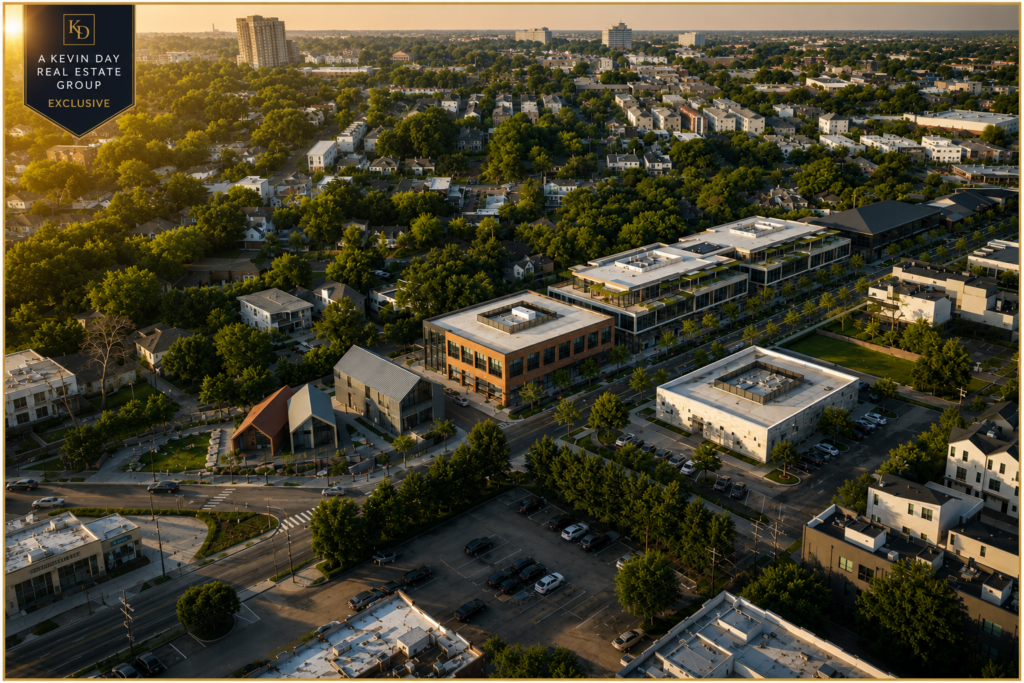
Developers Mark Masinter and Tristan Simon, co-founders of real estate firm Ignite-Rebees, began construction in October 2024 on a 161,000-square-foot mixed-use project spread across 10 buildings between Glencoe Street and McMillan Avenue.

And the tenant lineup beginning to emerge suggests this is not intended to be a typical retail project.

The development has secured an impressive collection of luxury retailers, several making either their Texas debut or even their first entry into the United States market.

Vertical construction is now complete, with the overall project expected to deliver in mid-November.

Ariat Is Coming to Henderson Avenue

One of the most recognizable names attached to the project is Ariat, the Western lifestyle and bootmaker brand.

The California-based retailer will open its first Dallas location at 2240 N. Henderson Avenue in a 6,324-square-foot space. According to a filing with the Texas Department of Licensing and Regulation, interior construction is expected to begin in June with completion targeted for October.

At the moment, Ariat’s only other Dallas-Fort Worth location is in Mule Alley at the Fort Worth Stockyards.

What makes this notable is not simply that Ariat is expanding.

It is where they chose to expand.

A Western lifestyle brand selecting Henderson Avenue instead of a traditional luxury shopping district says quite a bit about how retailers now view the corridor and the type of customer they believe is already spending time there.

The new Dallas location will also become Ariat’s largest retail footprint in North Texas.

Several Luxury Brands Are Entering Texas Through Henderson
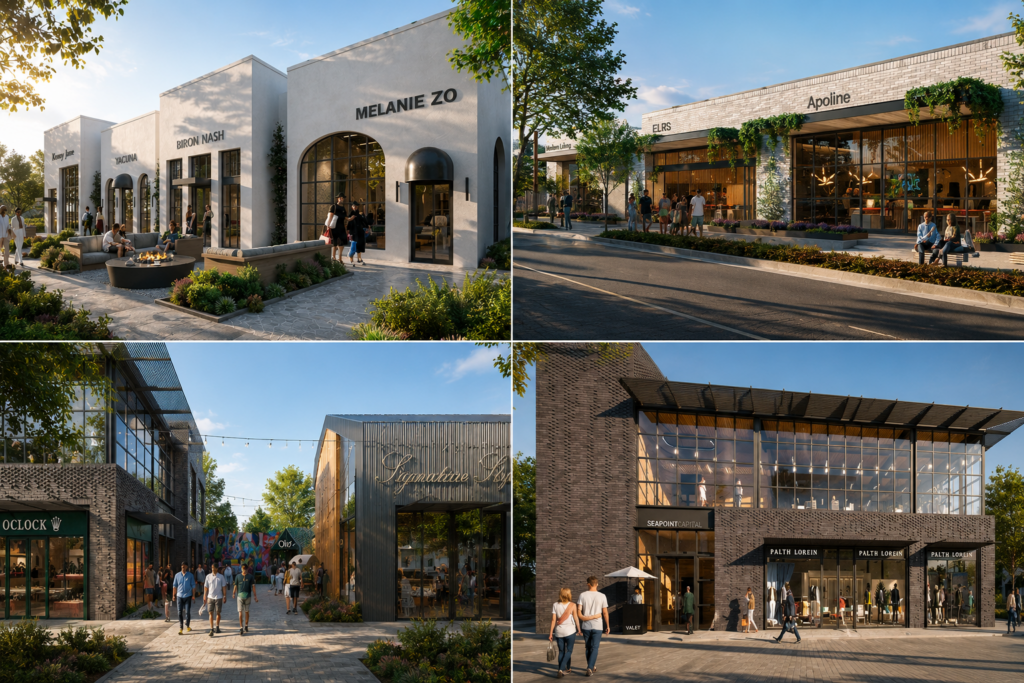
The project is also attracting several fashion and lifestyle retailers that have previously operated only in markets like New York, Los Angeles, and Miami.

Jean Dousset, the Los Angeles jeweler founded by the great-great-grandson of Louis Cartier, will open a 1,369-square-foot location at the development. The brand currently operates stores in West Hollywood and SoHo.

Luxury womenswear label Guizio will open a 2,018-square-foot space. The New York-based brand currently operates locations in Manhattan and Aventura, Florida.

Cami NYC, another New York womenswear brand, will open a 1,452-square-foot store. Its only existing retail location today is on Manhattan’s Upper East Side.

Margaux, the high-end shoe and accessories brand known for its West Village flagship in New York City, has also signed on for an 856-square-foot space.

Several international brands are entering the United States through the project as well, including Alberta Boot Co. and Cody & Sioux, both based in Alberta, Canada.

The retailer lineup will also include Sway Wellness, a Denver-based spa concept opening in a 2,245-square-foot space.

A Walkable Retail District, Not Just Another Shopping Center

What stands out most about the project is probably not any individual retailer.

It is the way the development itself is being designed.

Instead of one large commercial structure, the project is broken into smaller buildings ranging from single-tenant bungalow concepts to larger three-story structures. The plan includes approximately 75,000 square feet of retail, 12,000 square feet of restaurant space, and 74,000 square feet of office space across two office buildings collectively known as Henderson East.

The architecture feels intentionally pedestrian-oriented.

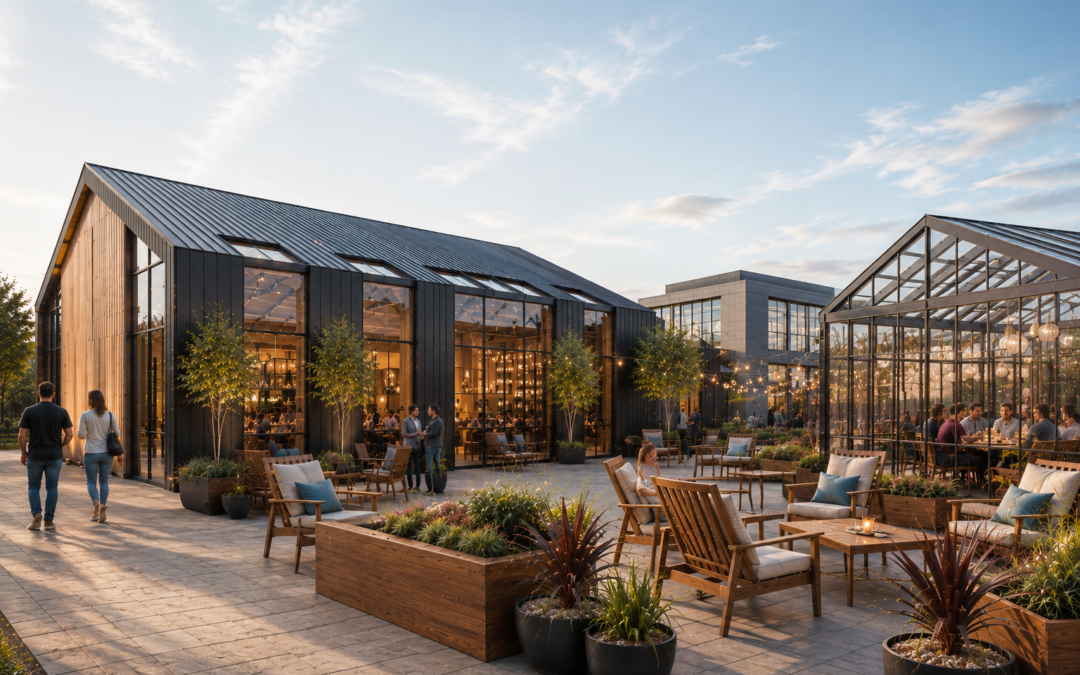
Outdoor gathering spaces, smaller storefronts, layered building materials, restaurant patios, and walkable pathways all appear designed to create an environment that feels more integrated into the neighborhood rather than isolated from it.

That distinction matters.

Especially on Henderson.

Romy Will Anchor the Restaurant Component

So far, the only announced restaurant tenant is Romy, an all-day bakery and café concept that transitions into a restaurant in the evening.

Romy will occupy a 3,000-square-foot space at the base of one of the office towers and was the first major tenant publicly announced for the project earlier this year.

Additional restaurant announcements are still expected.

Henderson’s Momentum Continues
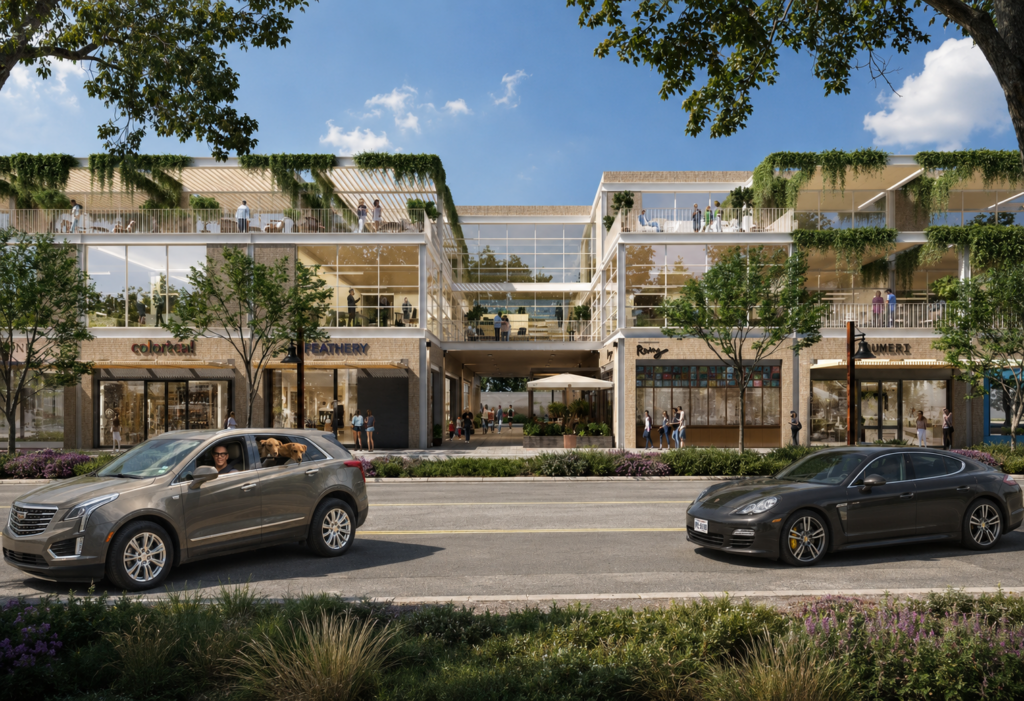
This project is also arriving during a period where Henderson Avenue already feels increasingly active.

Rag & Bone is expected to relocate from its temporary Henderson storefront into a permanent space within the new development. Salt & Straw recently opened its first Texas location nearby on May 15, while PopUp Bagels is expected to arrive later this summer.

Taken together, the corridor is beginning to feel less like an emerging district and more like an established destination attracting serious long-term investment.

And that may be the biggest story here.

For years, Henderson Avenue has been one of Dallas’ most promising transitional neighborhoods.

Projects like this suggest the next chapter may be arriving faster than anyone expected.

Development design by GFF. Original renderings by Pictury. Re-rendered editorial imagery by KDREGMedia
7 Reasons So Many Renters End Up Staying in Dallas Longer Than Planned

7 Reasons So Many Renters End Up Staying in Dallas Longer Than Planned

A funny thing happens to a lot of people who move to Dallas.

They arrive thinking:
“I’ll probably stay a year or two.”

Then somehow five years pass.

Then eight.

Then one day they’re arguing with friends about the best patio in Uptown, walking Katy Trail every weekend, ordering the same coffee from the same neighborhood café, and quietly realizing they accidentally built an entire life here.

And honestly?
I understand it.

Because Dallas has a way of slowly becoming personal.

Not overnight.
Not in some loud, obvious way.

It happens through routines.
Neighborhoods.
Relationships.
Tiny moments that begin feeling familiar.

Especially for renters.

Here are seven reasons so many renters end up staying in Dallas much longer than they originally planned.

The Neighborhoods Start Feeling Like Home

At first, most people choose a neighborhood based on logistics:
close to work,
close to friends,
close to nightlife,
close to a freeway.

But eventually the neighborhood becomes emotional.

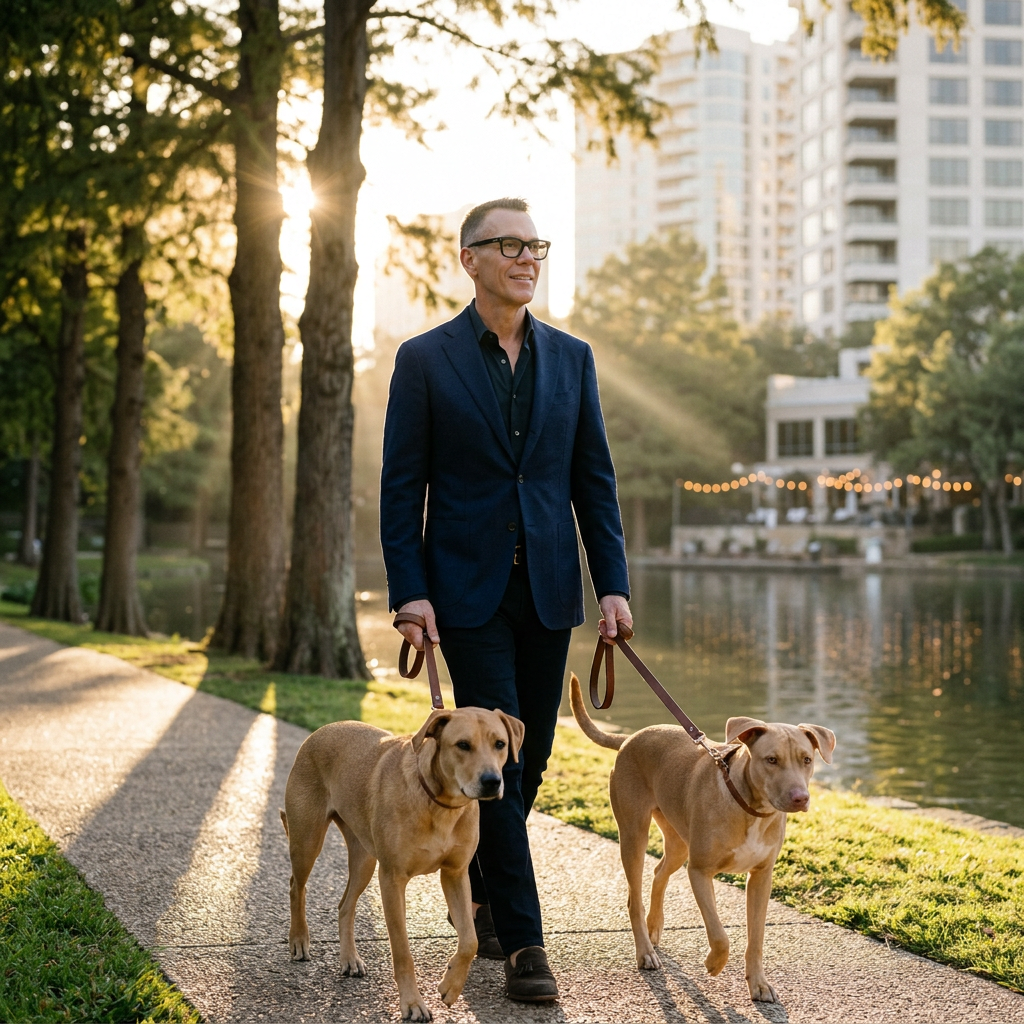
You begin recognizing the same dog walkers every morning.
The valet guys know your car.
You develop favorite walking routes.
You start measuring life in coffee shops, grocery stores, patios, and routines instead of intersections.

That shift changes everything.

Dallas Has Quiet Luxury Everywhere

One of the most underrated things about Dallas is how livable it feels once you settle into the right area.

And I’m not talking about flashy luxury.

I mean:
tree-lined streets,
beautiful townhomes,
great lighting,
walkable patios,
excellent grocery stores,
clean fitness studios,
wine bars,
friendly bartenders,
late dinners,
early coffee runs,
and a city that quietly makes everyday life feel elevated.

A lot of renters move here for opportunity.
They stay because life here becomes comfortable in a way they didn’t expect.

Katy Trail Changes People

I’m completely serious about this one.

There is something about Katy Trail that becomes part of people’s identity once they start using it regularly.

People meet there.
Exercise there.
Walk their dogs there.
Catch up with friends there.
Reset mentally there.

It creates a lifestyle rhythm that’s hard to replace once it becomes part of your week.

And for many renters living in Uptown, Knox, or Oak Lawn, the trail slowly becomes one of the emotional anchors of the city.

The Patio Culture Is Actually a Big Deal

This sounds shallow until you live here.

Then suddenly it matters a lot.

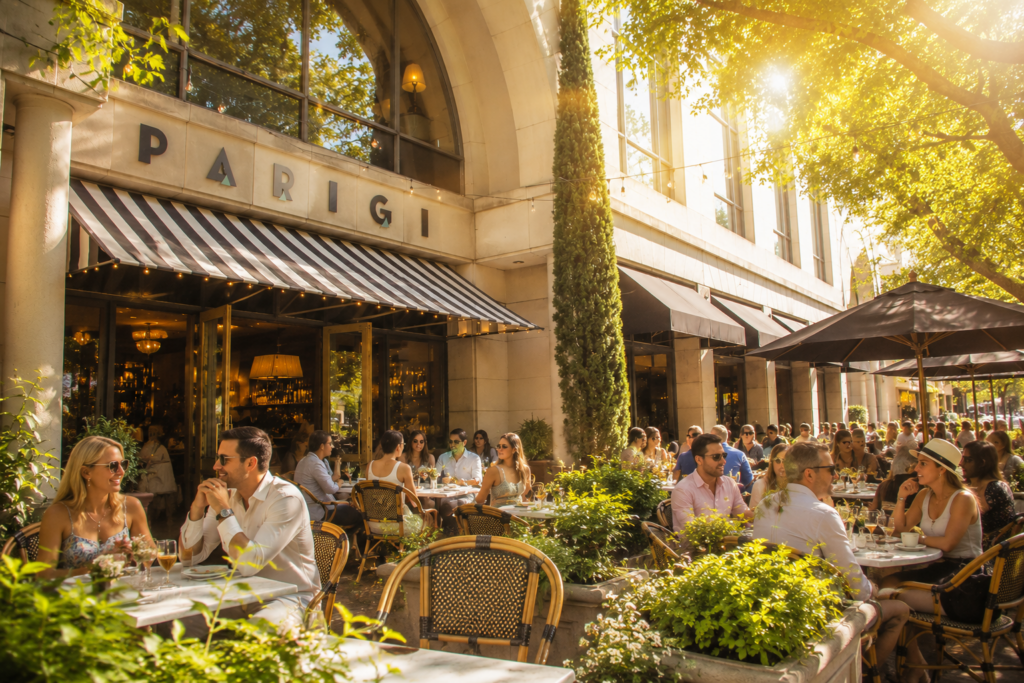
Dallas patio culture is one of the reasons people become emotionally attached to the city. Especially in the spring.

Long brunches.
Dinner outside.
Neighborhood restaurants buzzing with energy.
Walking somewhere instead of driving everywhere.
Seeing familiar faces around town.

Those moments create belonging.

And once people build social routines around places they love, moving away becomes much harder emotionally.

Renters Discover They Don’t Need a Backyard to Love Their Home

A lot of people moving from suburban environments assume they’ll miss having a large home or oversized yard.

Then they move into a beautiful Dallas condo, apartment, or townhome and realize:
they actually value lifestyle more than square footage.

Being able to walk somewhere.
Being close to energy.
Having a beautiful lock-and-leave residence.
Living near restaurants, trails, friends, and events.

That trade-off starts making more and more sense over time.

Dallas Is Full of Reinvention

This city is full of people building something.

Careers.
Businesses.
Relationships.
New chapters.

And because of that, Dallas has an unusually optimistic energy compared to many cities.

A surprising number of renters arrive here during transitional moments in life:
a new job,
a breakup,
a relocation,
a fresh start,
or simply wanting something different.

Then slowly, Dallas becomes tied to their personal growth story.

That emotional connection runs deep.

What Starts as Temporary Often Stops Feeling Temporary

Honestly, this may be the biggest reason of all.

People move here thinking they’re passing through.

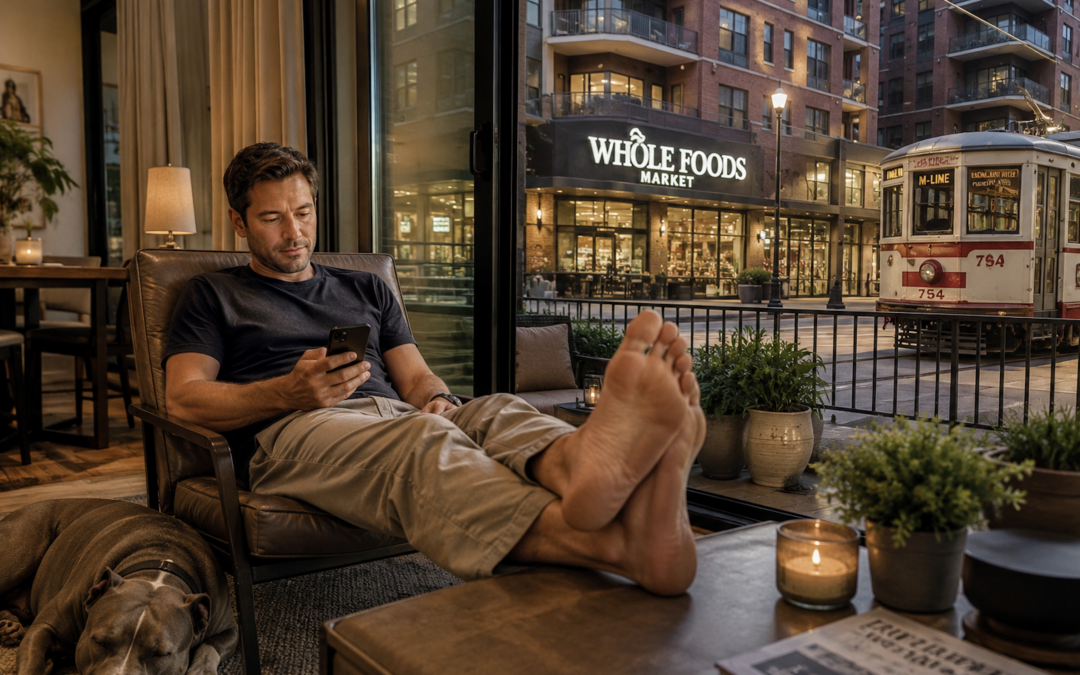
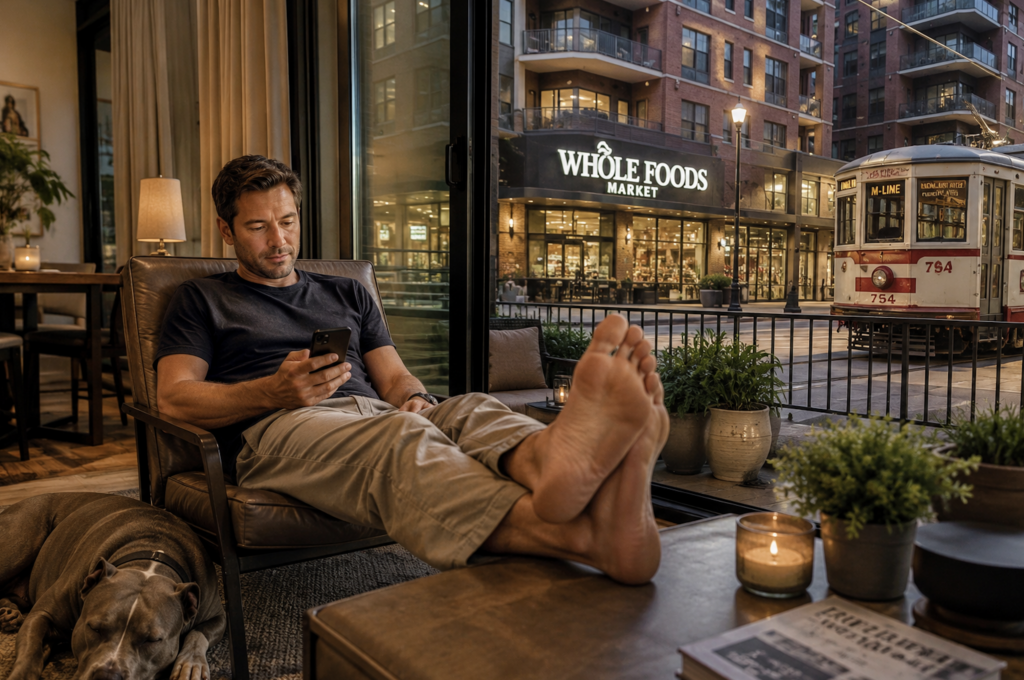
Then one day they’re sitting barefoot in their condo on a spring evening, dog asleep nearby, dinner reservations later that night, favorite grocery store across the street, familiar neighborhood all around them, and they realize:

“This actually feels like home.”

That realization sneaks up on people.

And once it happens, leaving Dallas becomes a much harder decision than they ever expected.

Because the city stopped being a temporary stop a long time ago.

It became their life.

Why Some Streets Just Feel Different

Why Some Streets Just Feel Different

There are streets in Dallas that people remember long after they leave them.

Not because they were the most expensive.
Not because the houses were the largest.
And not because someone told them they were important.

They remember them because of how they felt.

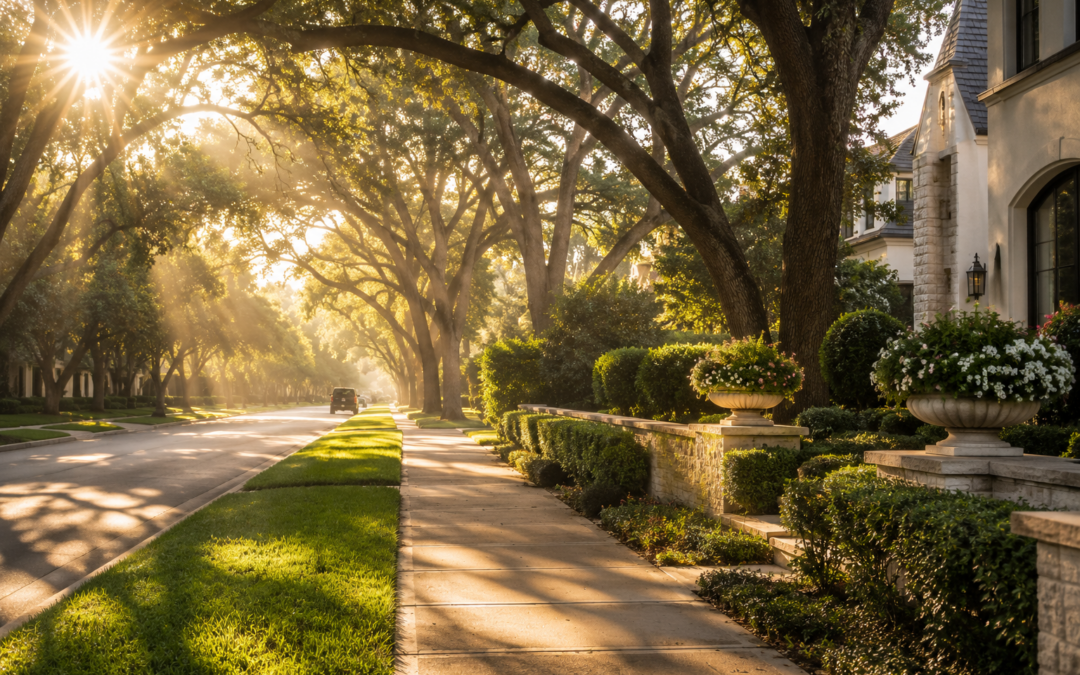
The way morning light filters through the trees along Beverly Drive in Highland Park. The quiet confidence of Swiss Avenue beneath its canopy of mature oaks. The winding calm of Turtle Creek Boulevard just after sunrise, when the city still feels half asleep and the only movement comes from joggers, dog walkers, and the occasional coffee run. The hidden serenity of streets in Bluffview where the terrain shifts unexpectedly and homes feel tucked into nature instead of simply placed on lots.

Some streets simply feel different.

And the interesting thing is, most people recognize it immediately, even if they cannot fully explain why.

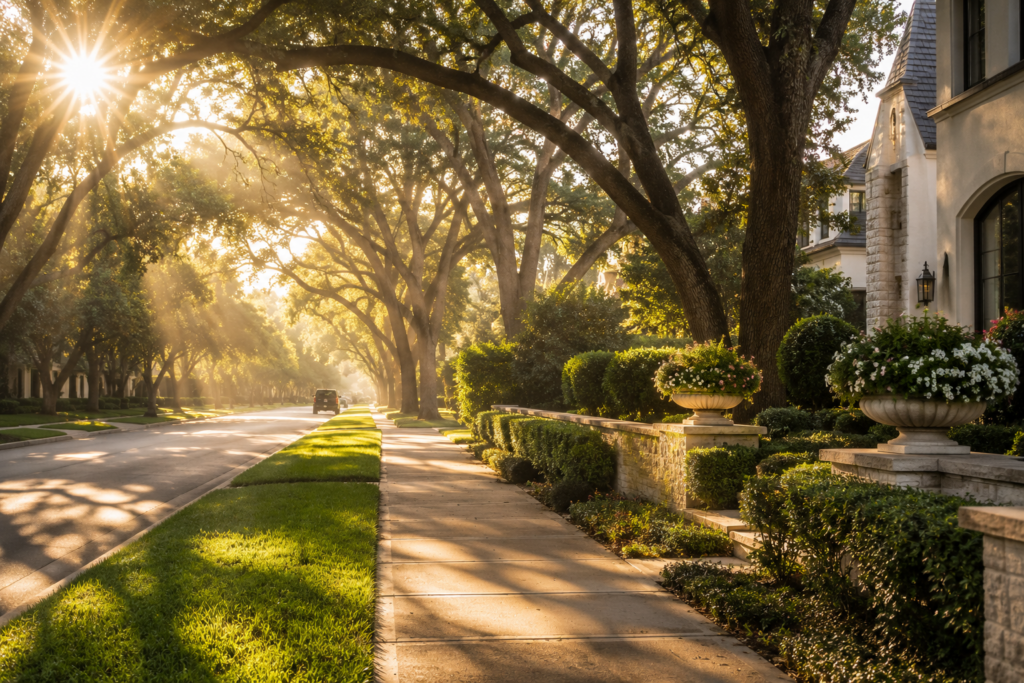
Part of it is architecture. Part of it is landscaping. Part of it is scale and proportion. But more than anything, it is intentionality. The best streets in Dallas feel curated over time rather than assembled all at once. Mature trees arch overhead. Lawns are edged carefully. Lighting is soft instead of theatrical. Homes sit comfortably within the landscape rather than competing against it.

Nothing is screaming for attention, and somehow that restraint becomes the luxury.

That feeling exists all over the city if you know where to look. In Devonshire, you’ll find streets where the trees almost create tunnels overhead and morning sunlight stretches across the pavement in long golden lines. In parts of Lakewood, front porches still feel connected to the neighborhood around them. Along Armstrong Parkway and the surrounding Highland Park streets, even simple walks somehow feel elevated.

And then there’s Turtle Creek.

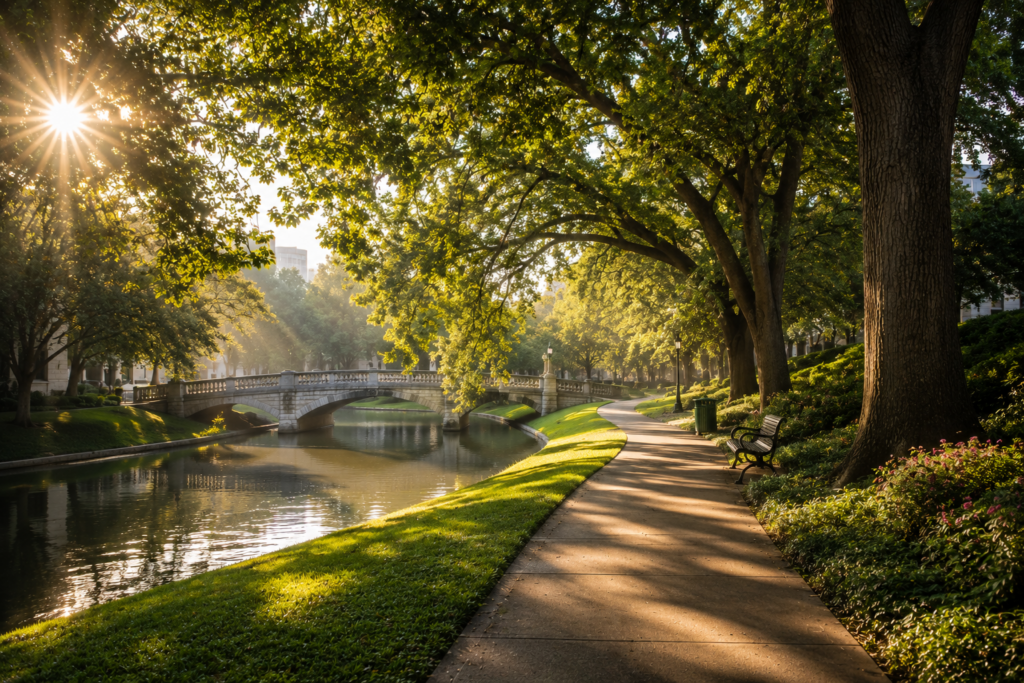
Turtle Creek has always had a rhythm to it that feels separate from the rest of Dallas. The curves of the creek, the bridges, the parks, the layered landscaping, the old trees, the mixture of architecture, all of it creates an atmosphere that people don’t just admire, they emotionally attach themselves to. It’s one of the reasons so many people who move into Oak Lawn and Uptown slowly realize they never want to leave.

Because eventually, it stops feeling like a location.

It starts feeling like a lifestyle.

And that’s the thing about truly special neighborhoods. The luxury is rarely just the home itself. It’s the experience surrounding it. The quietness of a morning walk. The way the light hits the sidewalks. The comfort of mature landscaping. The subtle feeling that life might somehow function a little differently there.

More peaceful.
More grounded.
More intentional.

That emotional response matters more than people realize in real estate.

Buyers often think they’re choosing a house, but many times they’re actually choosing a feeling. A rhythm. A version of their future life that begins forming before they ever walk through the front door.

That’s why some streets just feel different.

And once you experience one, it’s very hard to forget.

Why So Many People End Up Falling in Love With 75219

Why So Many People End Up Falling in Love With 75219

People often move into 75219 for practical reasons.

They want to be close to work. They want to be near Oak Lawn, Uptown, Turtle Creek, the Medical District, Downtown, or the restaurants and nightlife that make this part of Dallas feel alive. They want convenience, access, and a little more energy than a traditional suburban neighborhood can offer.

But then something else happens.

They start to fall in love with the rhythm of the place.

75219 has a way of becoming part of your daily life. It is morning walks under mature trees. It is an easy dinner nearby when you do not feel like planning. It is a quick drive to the Arts District, a walk along Turtle Creek, a drink on a patio, or the simple pleasure of being close to the parts of Dallas that still feel layered and lived in.

That is what makes this area different.

It is not just location. It is texture.

Oak Lawn has deep roots in Dallas history, with development tied to some of the city’s early northern growth beyond downtown. Turtle Creek has its own long story as one of Dallas’ defining natural corridors, and the area still benefits from that rare combination of urban life and green space.

Then there is Uptown’s movement and connectivity. The M-Line Trolley, founded in 1983, still operates through Uptown and Downtown, connecting places like West Village, the Arts District, Klyde Warren Park, and Cityplace/Uptown Station. It gives the area a kind of old-city charm that is hard to fake in Dallas.

That blend is what people respond to.

You can live in a high-rise, a condo, a townhome, or a tucked-away older building with character. You can be minutes from some of the city’s best restaurants and still find pockets that feel surprisingly quiet. You can have convenience without giving up personality.

For a lot of people, 75219 starts as a smart move.

Then it becomes the place they compare everything else to.

And that is usually the moment they realize they did not just choose a location.

They chose a lifestyle.